
Olumo Rock and the granite refuge of Abeokuta
Published on 09/19/2026 at 17:55 | Editorial responsibility: Rafael Müller, Editor-in-Chief AD HOC NEWS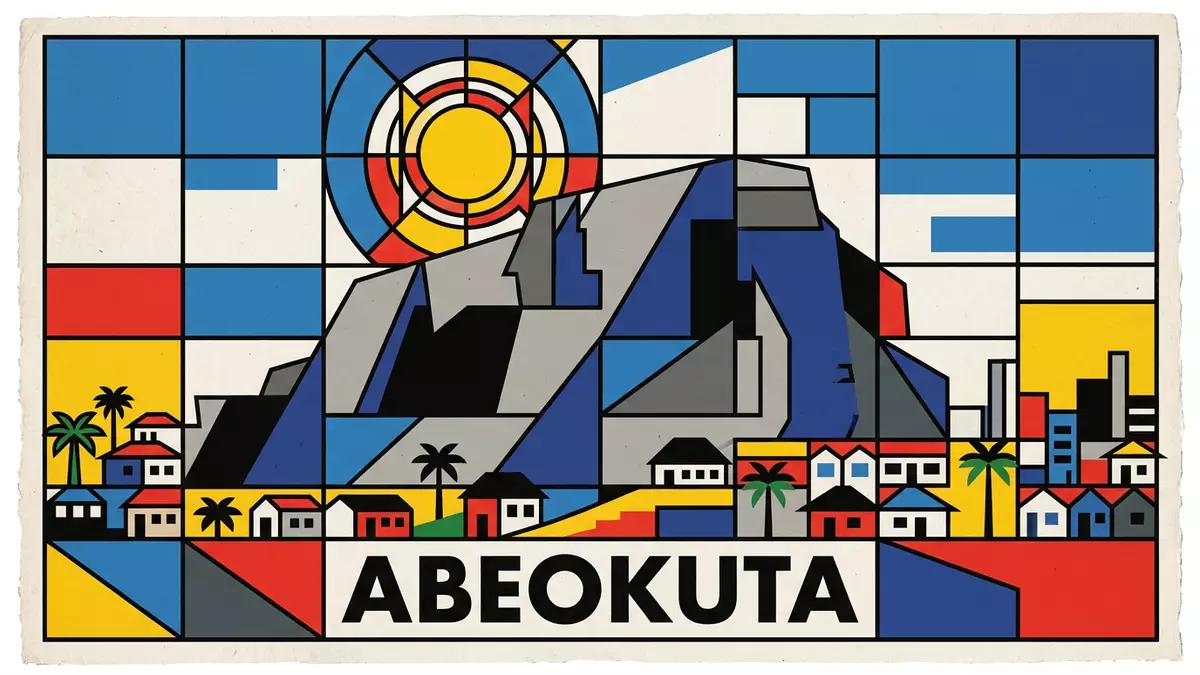
Olumo Rock is a granite outcrop rising above Abeokuta in south?western Nigeria, a landmark deeply entwined with the history of the Egba people and the city’s name, which translates as “under the rock” in Yoruba.Abeokuta meaning under the rock In the nineteenth century this height served as a natural refuge and fortress during inter?tribal warfare, turning a striking piece of geology into a lived stronghold for displaced communities.natural fortress in the 19th century
Granite stronghold above an emerging town
Olumo Rock rises as a mass of weathered granite above the lowlands of Abeokuta, with layers of exposed stone forming terraces, ledges and crevices that frame views across the surrounding city.granite landmark in Abeokuta The rock’s prominence made it a natural gathering point for Egba groups seeking security during the Yoruba Revolutionary Wars, which ran through the late eighteenth and nineteenth centuries, and by around 1830 they had established a settlement at its foot.Egba settlement around 1830 Over time the refuge camp at the base of Olumo Rock grew into the town of Abeokuta, its development shaped by the shelter and vantage that the granite height provided.
Accounts of Egba history describe families living in the protected zone beneath Olumo Rock during the conflicts of the nineteenth century, using the caves and overhangs as defensive positions and as places of safety when slave?raiding and warfare made the surrounding plains hazardous.Egba refuge under the rock The elevation offered a vantage point over the approaches to Abeokuta, and the rock became associated with Egba resilience and survival, a physical focus for stories of struggle and eventual settlement after years of movement across Yoruba territories.historical importance to Egba people
A sacred landscape of shrines and stories
Beyond its defensive role, Olumo Rock holds a long?standing spiritual significance for people in Abeokuta, with shrines and places of ritual incorporated into the ledges and recesses of the granite.protection shrine for the Egba people The rock is associated with deities honoured through offerings and annual observances, and elders connected to these traditions maintain a presence in designated areas, receiving visitors who come with prayers, thanks or requests for guidance. This mix of exposed stone, small sacred structures and lived ritual gives Olumo Rock the character of a cultural landscape rather than a single isolated feature.
Names linked to Olumo Rock reflect its layered meanings. The Yoruba name “Abeokuta” is tied directly to the idea of living under the rock, and explanations of “Olumo” itself connect the word to phrases about troubles and sufferings ending, echoing the role the refuge played for displaced Egba communities.Olumo meaning troubles are over Stories about Chief Sodeke, recognised as an early leader of the Egba at Abeokuta around 1830, link his guidance to the choice of settlement at the foot of Olumo Rock, reinforcing the association between political organisation, refuge and the granite height that shelters the town.Chief Sodeke and Abeokuta’s founding
From fortress to organised visitor site
In the twentieth century Olumo Rock moved from being an informal refuge and sacred landmark to a formally recognised place open to visitors, with Ogun State authorities identifying it as an important cultural and historical site.designation as a tourist site The site was opened to the public in 1976, and later facilities such as stairways and supporting structures were added to make ascents safer and more organised for travellers and local residents who wanted to experience the views and the history at first hand.opened to the public in 1976 In February 2006 a programme of improvement works was inaugurated by former Nigerian president Olusegun Obasanjo, underlining the site’s national profile and its place within Ogun State’s presentation of its heritage.commissioning in 2006
Visitors ascending Olumo Rock encounter a sequence of terraces, recesses and viewpoints, with built elements such as platforms and railings set against the ancient surfaces of the granite. From higher points there are broad views over Abeokuta, making it possible to see how the city has extended far beyond the original settlement while remaining visually anchored by the rock that gave it a name. Photographs taken from mid?level ledges capture both the stone and the urban fabric below, and widely shared images show how closely housing, streets and trees cluster at the base of the formation.photographic views over Abeokuta
Visiting Olumo Rock: what travellers from Western Europe should know
- Olumo Rock stands within Abeokuta in Ogun State, south?western Nigeria; road approaches lead through the city streets towards the base of the granite outcrop.
- Ascending the rock involves climbing constructed stairways and walking over uneven stone surfaces on the upper levels, with sections of the route following relatively narrow paths between boulders.
- The surrounding city extends around the base of Olumo Rock, so urban streets, markets and residential neighbourhoods lie within sight of the slopes and lower terraces.
- The official language is English and the currency is the Nigerian naira.
- Entry requirements depend on your nationality; UK travellers can check the FCDO travel advice at gov.uk/foreign-travel-advice, Irish travellers the Department of Foreign Affairs at ireland.ie.
Searching for Olumo Rock on social platforms
These links open searches for Olumo Rock on each platform.Frequently asked questions about Olumo Rock
Where is Olumo Rock and what is its setting?
Olumo Rock is a granite outcrop in Abeokuta, Ogun State in south?western Nigeria, rising above streets and neighbourhoods that cluster around its base.
What should visitors expect on a visit to Olumo Rock?
Visitors can expect a climb that combines constructed stairways with sections over natural stone, shrines and cultural markers on the rock, and broad views across Abeokuta from higher terraces.
What makes Olumo Rock distinctive among Nigerian landmarks?
Olumo Rock is distinctive as both a geological feature and a historic refuge, closely tied to the nineteenth?century experiences of the Egba people and to Abeokuta’s identity as a city “under the rock”.


