
Olumo Rock and the granite heart of Abeokuta
Published on 09/22/2026 at 08:33 | Editorial responsibility: Rafael Müller, Editor-in-Chief AD HOC NEWS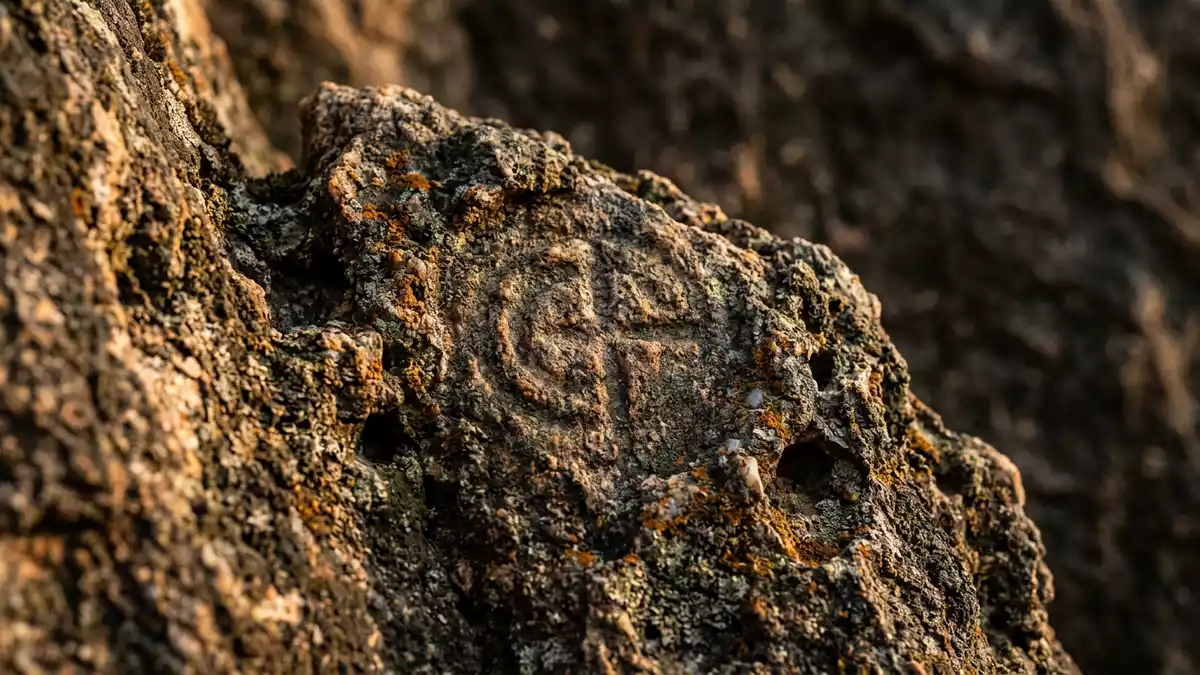
Olumo Rock rises above Abeokuta as a mass of granite blocks, ledges and sheltered spaces. At 137 m (449 ft) above sea level, the formation is both a geological landmark and a place closely connected with Egba history.
Olumo Rock as a granite landform
Olumo Rock is an irregular outcrop of igneous rock in Abeokuta, the capital of Ogun State in south-western Nigeria. Its granite surface appears as rounded blocks joined by cracks, ledges and small erosional caves.
The rock forms a compact hill within the city rather than an isolated mountain range. Its highest point reaches 137 m (449 ft) above sea level, while the surrounding urban landscape occupies the lower ground around its base. The exposed granite gives the site its strongest visual character, with weathered surfaces and sheltered recesses appearing across the formation. granite rock formation
The Egba refuge in the nineteenth century
During the nineteenth century, Olumo Rock served as a natural fortress and refuge for the Egba people during conflicts in Yorubaland. Families used the rock and its protected spaces while warfare affected settlements across the region.
The name Abeokuta translates as “under the rock”, linking the city’s identity with the formation beside which Egba communities gathered. Accounts of Egba history connect the settlement at Olumo Rock with the movement of people during the Yoruba Civil Wars, a period dated from 1789 to 1880. The rock therefore appears in the history of Abeokuta as a place of shelter, defence and settlement, not merely as a physical landmark. Abeokuta’s historical name
Caves, ledges and views across Abeokuta
The ascent reveals the rock’s changing surfaces. Granite blocks enclose narrow cracks, ledges and small caves, while paths and steps connect parts of the formation. Sheltered spaces within the rock preserve the relationship between the landform and Egba history.
From higher ground, the city spreads around the outcrop in a broad urban panorama. The site’s cultural meaning and its geology remain visible together: the same granite mass that provided shelter during nineteenth-century conflict also defines a recognisable point within Abeokuta. Olumo Rock became an official tourist sight in 1976, adding a public visitor function to its older historical associations. caves and granite ledges
Visiting Olumo Rock: what travellers from Western Europe should know
- Olumo Rock is in Abeokuta, Ogun State, in south-western Nigeria. The visitor complex lies in the Ikija area near Itoku Adire Market.
- The terrain combines steps, sloping paths, exposed granite, cracks and small caves. The ascent includes uneven rock surfaces and elevated viewpoints.
- The official language is English and the currency is the Nigerian naira.
- Entry requirements depend on your nationality; UK travellers can check the FCDO travel advice at gov.uk/foreign-travel-advice, Irish travellers the Department of Foreign Affairs at ireland.ie.
Searching for Olumo Rock on social platforms
These links open searches for Olumo Rock on each platform.
Frequently asked questions about Olumo Rock
Where is Olumo Rock?
Olumo Rock is in Abeokuta, the capital of Ogun State in south-western Nigeria. The visitor complex is in the Ikija area near Itoku Adire Market.
What can visitors expect on the rock?
The site includes an ascent across steps, sloping paths and exposed granite. Caves, ledges and elevated viewpoints form part of the physical character of the visit.
What makes Olumo Rock distinctive?
Its granite landform is closely linked with Egba refuge history during the nineteenth century. Abeokuta’s name, meaning “under the rock”, also records the formation’s place in the city’s identity.


