
Olumo Rock above Abeokuta’s granite landscape
Published on 09/18/2026 at 22:36 | Editorial responsibility: Rafael Müller, Editor-in-Chief AD HOC NEWS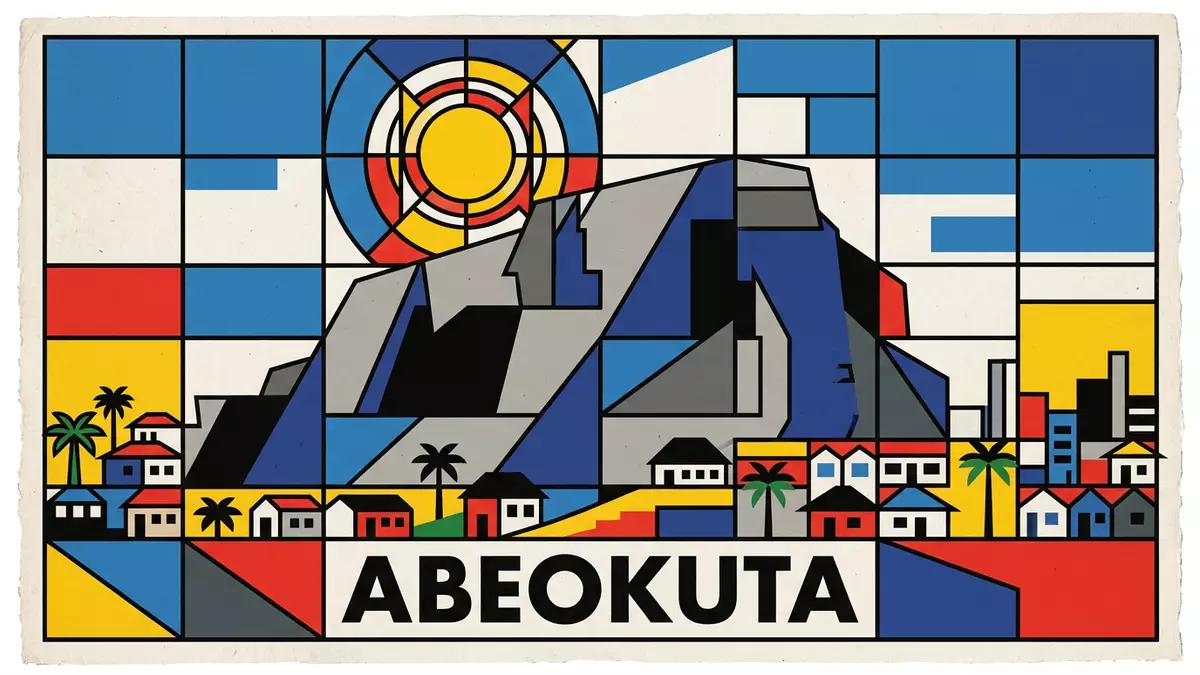
Olumo Rock is a granite outcrop rising over Abeokuta in south?western Nigeria, a landmark closely tied to the history of the Egba subgroup of the Yoruba people and to the founding of the city in the nineteenth century.Olumo Rock is described as a natural fortress for the Egba during nineteenth?century inter?tribal warfare and the settlement of Abeokuta developed around its base.Accounts of Egba history place their refuge under the rock around 1830
Granite stronghold above Abeokuta
Olumo Rock rises above the built?up streets and low?rise neighbourhoods of Abeokuta, the capital of Ogun State in south?western Nigeria.Descriptions of the site characterise it as a prominent historical and cultural landmark in Abeokuta and emphasise its position overlooking the surrounding city.
The outcrop is made of granite and forms an uneven mass of rock, with terraces, overhangs and cavities that have long provided natural shelter.The Ogun State government describes Olumo Rock as a massive outcrop of granite rocks of primitive formation and stresses that Abeokuta’s name, translating as “under the rock”, derives from its relationship with this height.The city grew around the rock as Egba families settled at its foot
A refuge during nineteenth?century wars
In the nineteenth century the Egba people used Olumo Rock as a natural fortress and refuge during inter?tribal conflicts in what is now south?western Nigeria.Historical summaries describe the rock as a stronghold for the Egba during inter?tribal warfare in that century and highlight how its elevation gave a vantage point over the plains below.Narratives of the site mention a hunter named Adagba who is associated with its use as a fortress
Abeokuta itself is closely tied to this period.Chronologies of Abeokuta’s history place the settlement of Egba groups around Olumo Rock around 1830 under the leadership of Chief Sodeke and point out that the rock’s shelter and vantage made it a centre of community life during the Yoruba Revolutionary Wars, also known as the Yoruba Civil Wars.Accounts of the wars between 1789 and 1880 describe Olumo Rock as a refuge camp for Egba people escaping the destruction
Olumo Rock as a cultural and spiritual landscape
Olumo Rock is not only a geological feature; it is also a cultural and spiritual landscape with shrines, historic dwellings and commemorative elements associated with Egba history.Descriptions of the tourist complex speak of cave?like spaces beneath the rock that sheltered Egba communities and gave rise to the name Abeokuta and refer to annual rites held there.
The slopes and sheltered spaces contain signs of earlier habitation, including areas associated with sleeping mats, water storage and footprints of former dwellers, as well as shrines where deities are venerated.Visitor descriptions note shrines, traces of domestic life and small museums displaying adire textiles and Egba artworks within the broader Olumo Rock site and point out that from the top of the rock there are views over Abeokuta, including historic religious buildings and homes associated with prominent Nigerian figures.
Visiting Olumo Rock: what travellers from Western Europe should know
- Olumo Rock stands within Abeokuta in Ogun State in south?western Nigeria, and the site is reached through city streets that lead to the tourist complex at the base of the outcrop.
- The climb on and around the rock involves stairways and paths over uneven granite surfaces, with sections that feel exposed above the city and passages that pass through enclosed spaces in the rock.
- The surrounding area forms part of the urban fabric of Abeokuta, with views from the higher points over residential districts, religious buildings and the wider landscape of south?western Nigeria.
- The official language is English and the currency is the Nigerian naira.
- Entry requirements depend on your nationality; UK travellers can check the FCDO travel advice at gov.uk/foreign-travel-advice, Irish travellers the Department of Foreign Affairs at ireland.ie.
Searching for Olumo Rock on social platforms
These links open searches for Olumo Rock on each platform.
Frequently asked questions about Olumo Rock
Where is Olumo Rock and what is its setting?
Olumo Rock stands within Abeokuta, the capital of Ogun State in south?western Nigeria, rising above city streets and low?rise neighbourhoods in a largely urban landscape.
What can visitors expect during a visit to Olumo Rock?
Visitors encounter granite slopes, stairways, enclosed spaces within the rock and shrines, together with views over Abeokuta and small museum displays of Egba history and textiles.
What makes Olumo Rock distinctive among Nigerian landmarks?
Olumo Rock is distinctive for its role as a nineteenth?century refuge and fortress for the Egba people and for its close connection with the founding and naming of Abeokuta.


