
Ogbunike Caves and the forested valley beneath the Ogba hills
Published on 08/30/2026 at 13:25 | Editorial responsibility: Rafael Müller, Editor-in-Chief AD HOC NEWS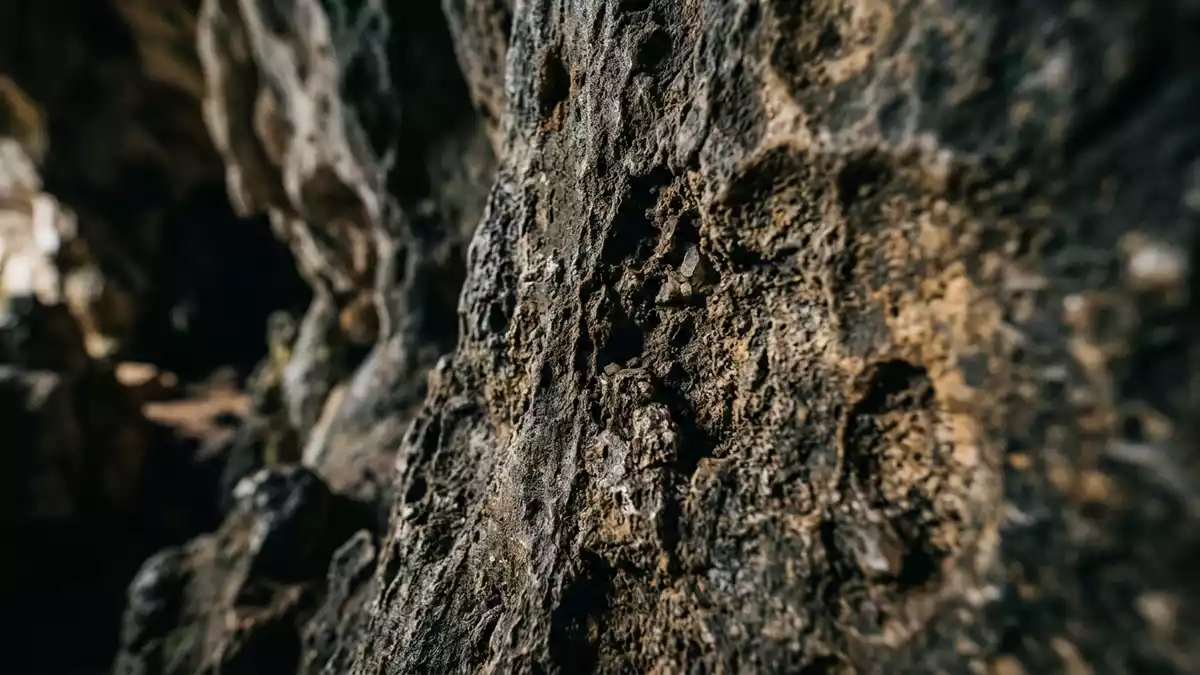
Ogbunike Caves sit in a deep, forested valley near Ogbunike in Anambra State, where sandstone chambers and tunnels meet tropical vegetation beneath the Ogba hills. The cave system forms part of Nigeria’s cultural landscape and has been on the country’s Tentative List for UNESCO World Heritage inscription since 2007, reflecting its recognised blend of geological and spiritual significance.
A sandstone labyrinth in an Igbo rainforest valley
The setting of Ogbunike Caves is a steep-sided valley covered by dense tropical rainforest in the Oyi administrative area of south?east Nigeria, not far from the commercial hub of Onitsha and the Niger River corridor.Anambra State location The caves belong to sedimentary formations shaped over millions of years, where water flowing from small rivers and underground springs has carved through sandstone and limestone to create interconnected chambers and passages.sandstone and limestone rocks
The main entrance opens into an impressive chamber, described as about 5 m high, 10 m wide and 30 m long, where the rock walls rise above a moist earthen floor.dimensions of the entrance chamber From this space, a network of tunnels extends in several directions, forming a labyrinth of caverns, narrow passageways and subsidiary chambers that make Ogbunike one of the most intricate cave systems documented in Nigeria.cave system with 10 tunnels
Steps, streams and bats: the physical experience of the caves
Reaching the main cave entrance involves descending a long stone stairway that drops from the ridge line down into the valley, built to make the steep slope more manageable.lengthy walkway made up of about 317 steps The staircase is framed by trees and dense undergrowth, and the air grows more humid as it approaches the cave mouth at the foot of the valley.
Inside Ogbunike Caves, tunnels vary from relatively broad passages where visitors can walk upright to tight segments that demand stooping or crawling, with the rock shaped into ledges, recesses and narrow corridors. Several chambers host large colonies of bats, and water trickles or flows through parts of the system, emerging as a small river that runs from one of the chambers towards the nearby River Nkissa.river flows into River Nkido Outside the caves, this stream forms a pool and riverside area that serves as a relaxation spot, where the valley floor opens out beside flowing water.stream flowing towards River Nkissa
Spiritual heritage and the path to UNESCO recognition
For the Igbo communities of Ogbunike and the wider Oyi area, Ogbunike Caves are a sacred place with longstanding ritual importance. Local tradition associates the caves with a deity known as Ogba, whose presence is linked to the underground chambers and the surrounding valley.legend of the deity Ogba Practices such as entering the cave barefoot and observing restrictions during certain bodily states underline the site’s status as a living spiritual landscape rather than a purely recreational attraction.barefoot entry tradition
The caves have also played roles in regional history, including use as a refuge during periods of conflict, which reinforces their image within Igbo culture as a protective, ancestral space.ancestral cave and refuge In 2007 Nigeria placed Ogbunike Caves on its Tentative List for UNESCO World Heritage status, under criteria that combine cultural and natural values, aligning the cave system with other mixed sites where geological formations and ritual practice intersect.added to Tentative List in 2007 The combination of sandstone geomorphology, dense rainforest and continuing ritual use is central to the case for eventual inscription.
Visiting Ogbunike Caves: what travellers from Western Europe should know
- Ogbunike Caves lie near the town of Ogbunike in Anambra State in south?east Nigeria, reached by road connections from Onitsha and the wider Niger River corridor.
- The approach into the valley involves descending a long stone stairway with several hundred steps on a steep slope, followed by walking on moist earth and rock inside the cave.
- The terrain includes narrow tunnels, uneven surfaces and low ceilings in places, so visitors need to be prepared for stooping or crawling and for spending time in dimly lit underground spaces.
- The official language is English and the currency is the Nigerian naira.
- Entry requirements depend on your nationality; UK travellers can check the FCDO travel advice at gov.uk/foreign-travel-advice, Irish travellers the Department of Foreign Affairs at ireland.ie.
Searching for Ogbunike Caves on social platforms
These links open searches for Ogbunike Caves on each platform.
Frequently asked questions about Ogbunike Caves
Where are Ogbunike Caves located?
Ogbunike Caves are in a rainforest valley near the town of Ogbunike in Oyi local government area, Anambra State, in south?east Nigeria, close to Onitsha.
What should visitors expect inside the caves?
Visitors encounter a large entrance chamber leading into a network of tunnels and chambers with bats, streams and moist earth, including sections that require careful movement through narrow, low passages.
What makes Ogbunike Caves distinctive?
The combination of sandstone geomorphology, dense tropical forest, spiritual traditions and recognition on Nigeria’s UNESCO Tentative List makes Ogbunike Caves a distinctive cave system in West Africa.


