
Ogbunike Caves, a sandstone valley of tunnels in Nigeria
Published on 09/15/2026 at 22:08 | Editorial responsibility: Rafael Müller, Editor-in-Chief AD HOC NEWS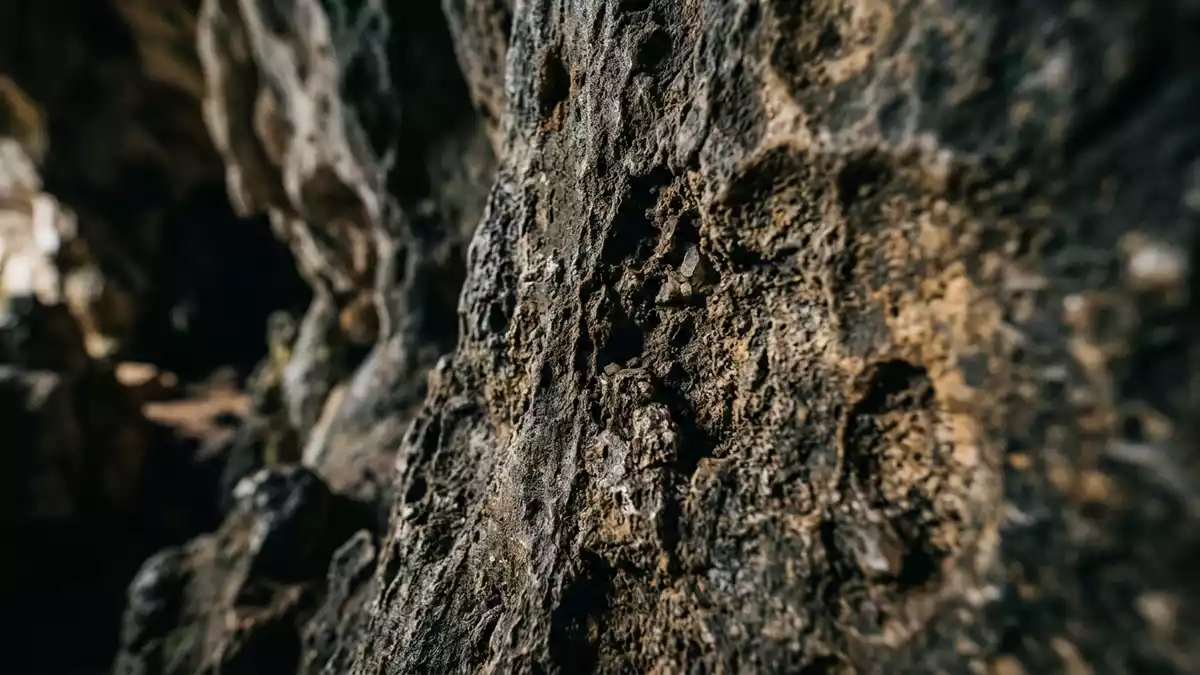
Ogbunike Caves near the town of Ogbunike in south-eastern Nigeria form a sandstone cave system tucked into a steep rainforest valley, reached by a long stone staircase that descends towards a river on the valley floor. Set in Anambra State within the Oyi administrative area, the caves bring together visible geology, dense vegetation and long-standing ritual practices in a compact landscape that has been recognised on Nigeria’s Tentative List for UNESCO World Heritage Sites since 2007.
A sandstone cave system in a forested valley
Ogbunike Caves lie in Ogbunike town in Anambra State in south-eastern Nigeria, in a deep valley behind low hills known locally as the Ogba hills, where the slopes are covered by tropical rainforest species and undergrowth rather than open grassland.Ogbunike Caves lie in a valley Approaching the site means moving from the built-up area of Ogbunike into thicker vegetation, with the path dropping down towards the cave entrance and the valley floor.
The caves themselves are formed in sedimentary rock, mainly sandstone with some limestone, shaped over millions of years by groundwater and small streams that continue to run through parts of the system.sandstone and limestone rocks At the main entrance, the cave opens into a sizeable chamber with a ceiling several metres above the floor and walls that rise to create a space used as a starting point for journeys into the network of tunnels and passages beyond.big open chamber at the entrance
Chambers, tunnels and running water
From the main chamber of Ogbunike Caves, a set of tunnels branch off in different directions, creating a network of underground passages that visitors experience as a sequence of spaces and connecting routes rather than a single linear corridor.tunnels and a main chamber Sources describe multiple large chambers within these tunnels, separated by narrower passageways where the roof lowers and the path may require stooping or careful footing as the underground stream cuts through the rock.
Water is a constant presence in the cave system, with streams flowing through some tunnels and forming shallow pools in depressions on the cave floor, so that parts of the route combine rock, water and shadow in close proximity.underground streams flowing through sections Bats inhabit some sections of the caves, hanging in groups from the ceiling and adding a living element to the geological setting described in several accounts of the site.inhabited by colonies of bats
A steep staircase and long-standing traditions
Reaching the entrance to Ogbunike Caves requires descending a long stone staircase that drops from the slopes near Ogbunike town down into the rainforest valley, a route said to consist of hundreds of steps constructed by the Anambra State government in the 1990s to stabilise the access path and make the steep gradient more manageable.a long walkway of 317 steps The staircase passes through thick vegetation before reaching the lower platform from which the main entrance chamber opens into the hillside.
Ogbunike Caves hold an important place in Igbo culture as a sacred site associated with stories of refuge and spiritual protection, and long-standing customs continue to govern how people move through the caves.a sacred cultural heritage site in Igbo culture Visitors are traditionally expected to remove their shoes before entering the cave system, and women are restricted from entering during their menstrual period, reflecting local ritual rules that treat the caves as more than a scenic geological feature.visitors enter barefoot and women are restricted
Visiting Ogbunike Caves: what travellers from Western Europe should know
- Ogbunike Caves are in Ogbunike town in Oyi Local Government Area of Anambra State in south-eastern Nigeria, reached by road from nearby centres such as Onitsha and Awka.
- The approach to the caves involves descending a long stone staircase through dense tropical vegetation into a steep valley, with many steps and uneven surfaces that require steady footing.
- The official language is English and the currency is the Nigerian naira.
- Entry requirements depend on your nationality; UK travellers can check the FCDO travel advice at gov.uk/foreign-travel-advice, Irish travellers the Department of Foreign Affairs at ireland.ie.
Searching for Ogbunike Caves on social platforms
These links open searches for Ogbunike Caves on each platform.
Frequently asked questions about Ogbunike Caves
Where are Ogbunike Caves located?
Ogbunike Caves are in Ogbunike town in Oyi Local Government Area of Anambra State in south-eastern Nigeria, within reach of the market city of Onitsha and the Niger River.
What should visitors expect on a visit?
Visitors can expect a steep descent along a long stone staircase into a rainforest valley, followed by exploration of sandstone chambers, narrow tunnels, flowing streams and local ritual customs such as entering the caves barefoot.
What makes Ogbunike Caves distinctive?
The combination of a multi-chamber sandstone cave system, dense tropical vegetation on the valley slopes, running water, bat colonies and the site’s role as a sacred place in Igbo culture gives Ogbunike Caves a distinctive character among Nigerian landscapes.


