Nyhavn: Copenhagen’s canal of colour and stories
Published on 09/03/2026 at 13:17 | Editorial responsibility: Rafael Müller, Editor-in-Chief AD HOC NEWS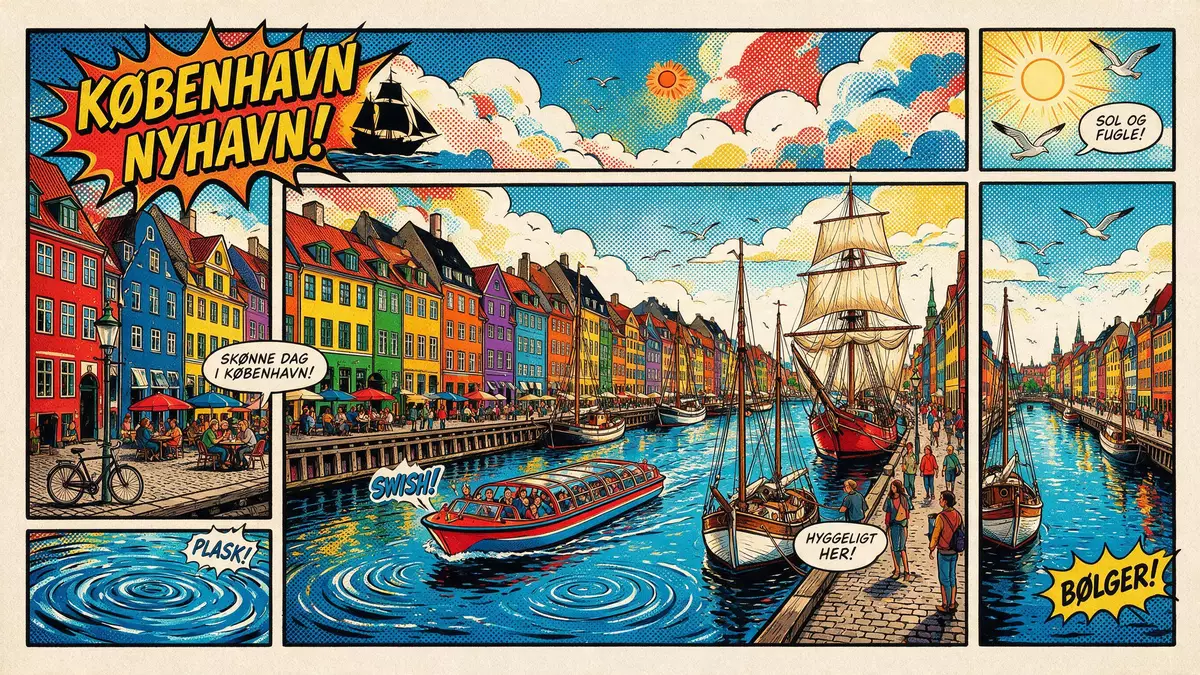
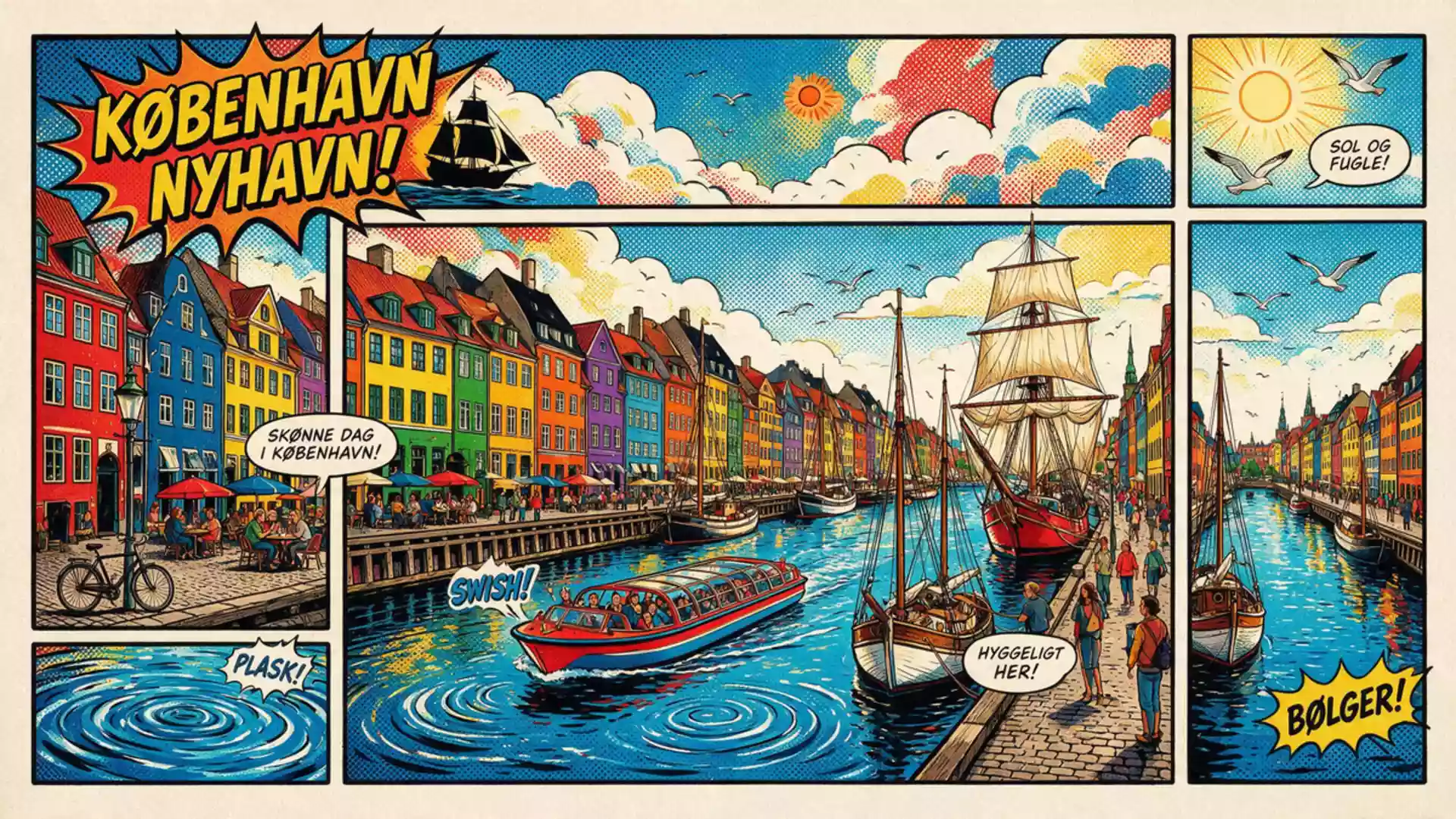
Nyhavn in Kopenhagen is a seventeenth?century harbour canal framed by tall, colourful townhouses and moored wooden ships. Dug in the 1670s under King Christian V, it links the main square Kongens Nytorv with the water and still mirrors the outlines of that early commercial harbour. Hans Christian Andersen lived in several of the houses along Nyhavn, so the canal gathers both maritime and literary history in one compact stretch.
From royal harbour project to city canal
Nyhavn was dug between 1670 and 1673 as an inner harbour for Copenhagen under the rule of King Christian V, creating a direct water route between the Øresund and Kongens Nytorv.dug between 1670 and 1673 The canal runs for about 300 m (980 ft), with the city’s street grid pressed close to the quay on both sides.a 300 m canal
For centuries Nyhavn functioned as a working port where ships brought cargo and fishermen unloaded their catch beside the houses and warehouses that lined the water.gateway from the sea to the old inner city The name “Nyhavn”, meaning “New Harbour”, marks it as an additional basin to Copenhagen’s older waterfront and underlines its role as a man?made cut from sea to square.an extra harbour basin
Colourful facades and a canal full of ships
The visual character of Nyhavn rests on the tall, narrow houses that line both sides of the water. Many of these townhouses date from the late seventeenth and eighteenth centuries and stand shoulder to shoulder, painted in strong colours that reflect in the canal below.lined with seventeenth?century houses Roofs, dormer windows and gables create a varied roofline, while the ground floors open onto quays that run the full length of the canal.
Along the water, historic wooden vessels lie moored in what is designated as a veteran ship and museum harbour, giving a sense of the sailing craft that once worked from the port.veteran ship and museum harbour Masts rise in front of the facades, and gangways link the decks to the quay, so the canal reads as much as a line of ships as a street of houses.
Hans Christian Andersen and the addresses of Nyhavn
Danish writer Hans Christian Andersen spent long periods of his life living beside Nyhavn, and three houses on the canal carry plaques linked to his name. At Nyhavn 20 he lodged from 1834 to 1838, and during that stay he published his first collection of fairy tales in 1835.he published his first fairy tales in 1835Andersen lived in Nyhavn 20 from 1834
Andersen later lived at Nyhavn 67 with short interruptions from 1848 to 1865, and from 1871 he rented rooms at Nyhavn 18, where he stayed until shortly before his death in 1875.lodger from 1848 to 1865lived on the first floor from 1871 Walking the length of Nyhavn brings these three addresses into view in turn, and together they map a long span of his writing life onto the canal.
Visiting Nyhavn: what travellers from Western Europe should know
- Nyhavn lies immediately off Kongens Nytorv on the eastern side of central Copenhagen, with the canal running inland from the harbour towards the square.
- The quays on both sides of the canal are level and paved, with steps down to some pontoons and raised platforms beside the moored ships.
- Several bridges carry pedestrians across Nyhavn at different points, including a crossing near the mouth of the canal that links the two quays.
- Nyhavn connects with central city streets that carry buses and bicycles, and the Kongens Nytorv area is a hub for Copenhagen’s metro lines.
- The official language is Danish and the currency is the Danish krone. Entry requirements depend on your nationality; UK travellers can check the FCDO travel advice at gov.uk/foreign-travel-advice, Irish travellers the Department of Foreign Affairs at ireland.ie.
Searching for Nyhavn on social platforms
These links open searches for Nyhavn on each platform.
Frequently asked questions about Nyhavn
Where is Nyhavn in Copenhagen?
Nyhavn is a historic canal district in central Copenhagen, leading from the harbour towards Kongens Nytorv, with colourful townhouses and quays lining both sides.
What should visitors expect at Nyhavn?
Visitors see a short canal framed by seventeenth? and eighteenth?century houses, a line of moored wooden ships and busy quays that function as a public promenade.
What makes Nyhavn distinctive among Copenhagen’s waterfronts?
Nyhavn combines a seventeenth?century harbour layout, a preserved fleet of veteran ships and several houses where Hans Christian Andersen lived and published his early fairy tales.