
Nikko Toshogu and the forest of carved light
Published on 09/08/2026 at 07:38 | Editorial responsibility: Rafael Müller, Editor-in-Chief AD HOC NEWS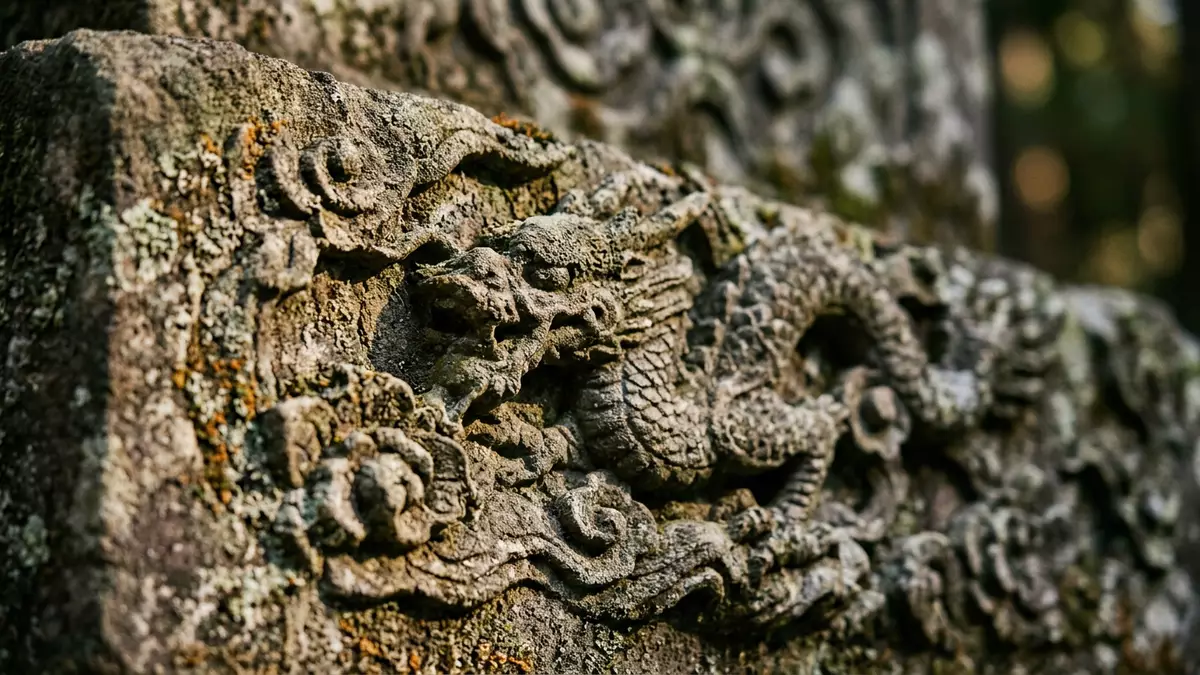
Nikko Toshogu in Nikko is a Shinto shrine complex where the forested slope becomes a stage for vivid carvings, gilded architecture and the memorial of Tokugawa Ieyasu in the early seventeenth century. The shrine is part of the UNESCO-listed “Shrines and Temples of Nikko”, a group of religious buildings set among tall cedar trees on the edge of the city in Tochigi Prefecture.
From simple mausoleum to lavish shrine complex
The story of Nikko Toshogu begins with Tokugawa Ieyasu, born in 1543, who established the Tokugawa shogunate that ruled Japan from 1603 to 1867.Tokugawa Ieyasu (1543–1616) was enshrined here after his death in 1616, and the shrine was founded in 1617 to honour him as T?sh? Daigongen, a deified figure associated with the “Light of the East”.founded in 1617 to enshrine Ieyasu The earliest buildings were comparatively modest, reflecting its origin as a mausoleum on a wooded hillside.
In the following decades, the Tokugawa shogunate oversaw an ambitious expansion that turned Nikko Toshogu into a large complex of halls, gates and corridors, many of them linked by stone steps climbing the slope above Nikko. Several structures from this seventeenth-century phase are recognised as National Treasures of Japan, and together with neighbouring Futarasan Shrine and Rinn?-ji Temple they form the “Shrines and Temples of Nikko” World Heritage Site inscribed in 1999.Shrines and Temples of Nikko World Heritage The result is a dense ensemble where historical power and religious devotion are expressed in timber, lacquer and metal rather than in sheer size alone.
Carved animals, colour and gold in the cedar forest
Nikko Toshogu is widely known for the exuberant decoration of its buildings, set against the dark trunks of the surrounding cedar trees. Many of the shrine’s halls and gates are covered with brightly painted reliefs and extensive gilding, a style that contrasts with the simpler timber structures found at other Shinto sites in Japan.Toshogu Shrine as a lavish memorial The carvings include animals drawn from both Japanese and Chinese traditions, floral motifs and geometric patterns, giving each façade its own rhythm of colours and forms.
Among the most recognisable elements are the panels depicting monkeys on one of the shrine’s storehouse buildings, carved in a sequence that follows the cycle of human life. One of these panels shows the trio known in English as the “Three Wise Monkeys”, covering eyes, ears and mouth, which has become an emblem of Nikko Toshogu and is frequently reproduced in illustrations and souvenirs.panels including the Three Wise Monkeys Elsewhere in the complex, dragons, birds and imaginary creatures appear beside detailed foliage, so that walking through the shrine means moving past successive bands of carved stories framed by pillars and eaves.
A hillside shrine within a wider sacred landscape
Geographically, Nikko Toshogu stands on a slope just west of central Nikko, in Tochigi Prefecture north of Tokyo.Nikko in Tochigi Prefecture Stone approaches lead up from the road through torii gates into the forested World Heritage zone, where Toshogu, Futarasan-jinja and Rinn?-ji sit within walking distance of one another.Nikko Toshogu Shrine listing This grouping of shrines and temples in a single natural setting was one of the reasons UNESCO recognised the area, noting the way architectural and artistic ambition is integrated into a sacred landscape of mountains and forests.
Within the Nikko Toshogu grounds, visitors encounter a series of courtyards and stairways that gradually lead towards the inner areas associated with Tokugawa Ieyasu’s mausoleum. The shrine’s buildings are aligned along terraces and linked by covered corridors, with views framed between columns towards the cedar canopy above and the roofs around. This layered layout reflects the combination of Shinto and Buddhist influences historically present in Nikko, while the surrounding trees and stone lanterns underline the relationship between religious architecture and the wooded terrain.
Visiting Nikko Toshogu: what travellers from Western Europe should know
- Nikko Toshogu stands on the western edge of Nikko in Tochigi Prefecture, north of Tokyo, and is reached from JR Nikko Station or Tobu Nikko Station by local bus or on foot through the World Heritage zone.
- The shrine complex occupies a hillside with multiple flights of stone steps, uneven paving and changes in level, so a visit involves walking up and down staircases between the different courtyards and halls.
- Nikko Toshogu is one of several religious sites in the same forested area; nearby Futarasan Shrine and Rinn?-ji Temple lie within walking distance, linked by paths and roads through the cedar trees.
- The official language is Japanese and the currency is the yen; English-language information is available at many points in Nikko and on transport to the shrine.
- Entry requirements depend on your nationality; UK travellers can check the FCDO travel advice at gov.uk/foreign-travel-advice, Irish travellers the Department of Foreign Affairs at ireland.ie.
Searching for Nikko Toshogu on social platforms
These links open searches for Nikko Toshogu on each platform.
Frequently asked questions about Nikko Toshogu
Where is Nikko Toshogu located?
Nikko Toshogu stands on a forested hillside on the western side of Nikko in Tochigi Prefecture, north of Tokyo, within the “Shrines and Temples of Nikko” World Heritage area.
What should visitors expect at Nikko Toshogu?
Visitors encounter a seventeenth-century shrine complex with richly decorated halls, stone approaches, cedar trees, carved panels of animals and staircases linking terraces and courtyards.
What makes Nikko Toshogu distinctive among Japanese shrines?
Nikko Toshogu is distinctive for its close association with Tokugawa Ieyasu, its dense ensemble of elaborately carved and gilded buildings, and its integration into a shared sacred landscape with Futarasan Shrine and Rinn?-ji Temple.


