
Nikko Toshogu and the art of carved light in the cedar forest
Published on 09/07/2026 at 14:14 | Editorial responsibility: Rafael Müller, Editor-in-Chief AD HOC NEWS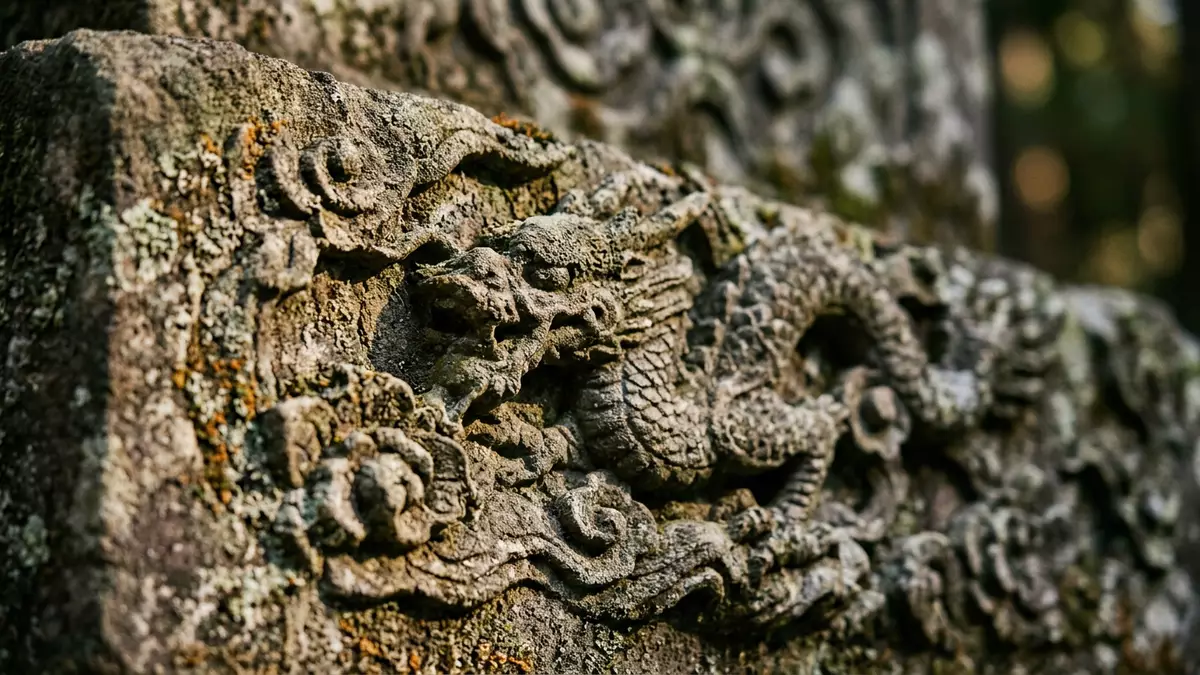
Nikko Toshogu in the mountain city of Nikko in Japan transforms a forested slope into a dense ensemble of lacquered halls, stone lanterns and brilliant carvings. Built in the early seventeenth century to enshrine Tokugawa Ieyasu, founder of the Tokugawa shogunate, it later grew into an ornate Shinto shrine complex whose gilded surfaces stand against ancient cedar trees.Tokugawa Ieyasu
Gold, colour and cedar: a hillside shrine like a small city
Nikko Toshogu stands on the western edge of Nikko, in Tochigi Prefecture, where the hills rise towards the interior mountains of central Honshu.Tochigi Prefecture The complex occupies a terraced slope above the town, reached after crossing the Daiya River and ascending into a zone of dense forest that has been sacred for centuries. Stone steps lead between ranks of lanterns towards the first torii gate, where the urban grid gives way to a carefully composed sequence of courtyards.
The shrine belongs to the group known as the Shrines and Temples of Nikko, a UNESCO World Heritage Site designated in 1999 for its combination of religious architecture and natural setting.Shrines and Temples of Nikko Within this ensemble, Nikko Toshogu is distinguished by brightly painted timber buildings that contrast with the subdued forms of nearby Futarasan-jinja and Rinno-ji. The approach passes through grand gates into successive courtyards, each framed by halls with elaborate roofs, metalwork and carved wooden panels.
A seventeenth-century shrine for Tokugawa Ieyasu
Nikko Toshogu is dedicated to Tokugawa Ieyasu, who unified much of Japan in the early seventeenth century and established the Tokugawa shogunate in 1603.Tokugawa shogunate Ieyasu died in 1616 and was enshrined at Nikko, where the shrine complex developed into his mausoleum and a centre of Tokugawa authority. The layout that visitors see in its present form dates largely from the first half of the seventeenth century, when Ieyasu’s grandson Tokugawa Iemitsu oversaw major rebuilding.
Architecturally, the buildings follow Shinto shrine forms enriched with decorative elements associated with the early Edo period. Timber halls sit on stone platforms, with sweeping roofs and layered brackets, while surfaces carry lacquer, gold leaf and mineral pigments. Within the complex stand structures designated as National Treasures and Important Cultural Properties of Japan, reflecting the shrine’s status in Japanese architectural history.National Treasures
Carved stories in wood: from sleepy cats to sacred stables
Nikko Toshogu is renowned for its wooden carvings, which cover beams, lintels and wall panels with a dense population of animals, flowers and mythological scenes. Among the most reproduced are the “Three Wise Monkeys” on the sacred stable, showing three monkeys shielding eyes, ears and mouth to express the proverb about hearing, speaking and seeing no evil.Three Wise Monkeys Elsewhere, lions, imagined beasts and birds appear amid curling foliage, painted in strong colours that stand out sharply when sunlight reaches the eaves.
Another celebrated carving is the small relief of a cat above a doorway on the way towards the inner sanctuary, a compact piece of sculpture set among otherwise monumental surroundings.shrine complex These details reward slow looking, as scenes unfold across sequences of panels: children at play, imaginary landscapes and decorative patterns rendered with careful tooling. The carvings turn the route through the shrine into a series of close-up encounters as well as broad, axial views.
Visiting Nikko Toshogu: what travellers from Western Europe should know
- Nikko Toshogu stands on a wooded hillside west of central Nikko in Tochigi Prefecture, reached from JR Nikko Station and Tobu Nikko Station by local buses heading towards the World Heritage area.World Heritage tour bus
- The shrine complex is arranged in terraces connected by stone stairways and paths, with numerous steps between the lower courtyards and the inner precincts.
- Nikko lies in the mountains north of Tokyo, and the approach to the shrine passes through forest where weather can change quickly between sun, mist and rain.
- The official language is Japanese and the currency is the Japanese yen.
- Entry requirements depend on your nationality; UK travellers can check the FCDO travel advice at gov.uk/foreign-travel-advice, Irish travellers the Department of Foreign Affairs at ireland.ie.
Searching for Nikko Toshogu on social platforms
These links open searches for Nikko Toshogu on each platform.
Frequently asked questions about Nikko Toshogu
Where is Nikko Toshogu and how does it relate to Nikko itself?
Nikko Toshogu stands on a forested hillside west of central Nikko in Tochigi Prefecture, forming part of the wider World Heritage area of shrines and temples.
What should visitors expect when entering the shrine complex?
Visitors move through a sequence of gates, courtyards and halls, with stone lanterns, stairways and brightly decorated timber buildings set among tall cedar trees.
What makes Nikko Toshogu distinctive among Japanese shrines?
Nikko Toshogu combines seventeenth-century shrine architecture for Tokugawa Ieyasu with densely carved and painted wooden decoration, set within an old cedar forest on a terraced slope.


