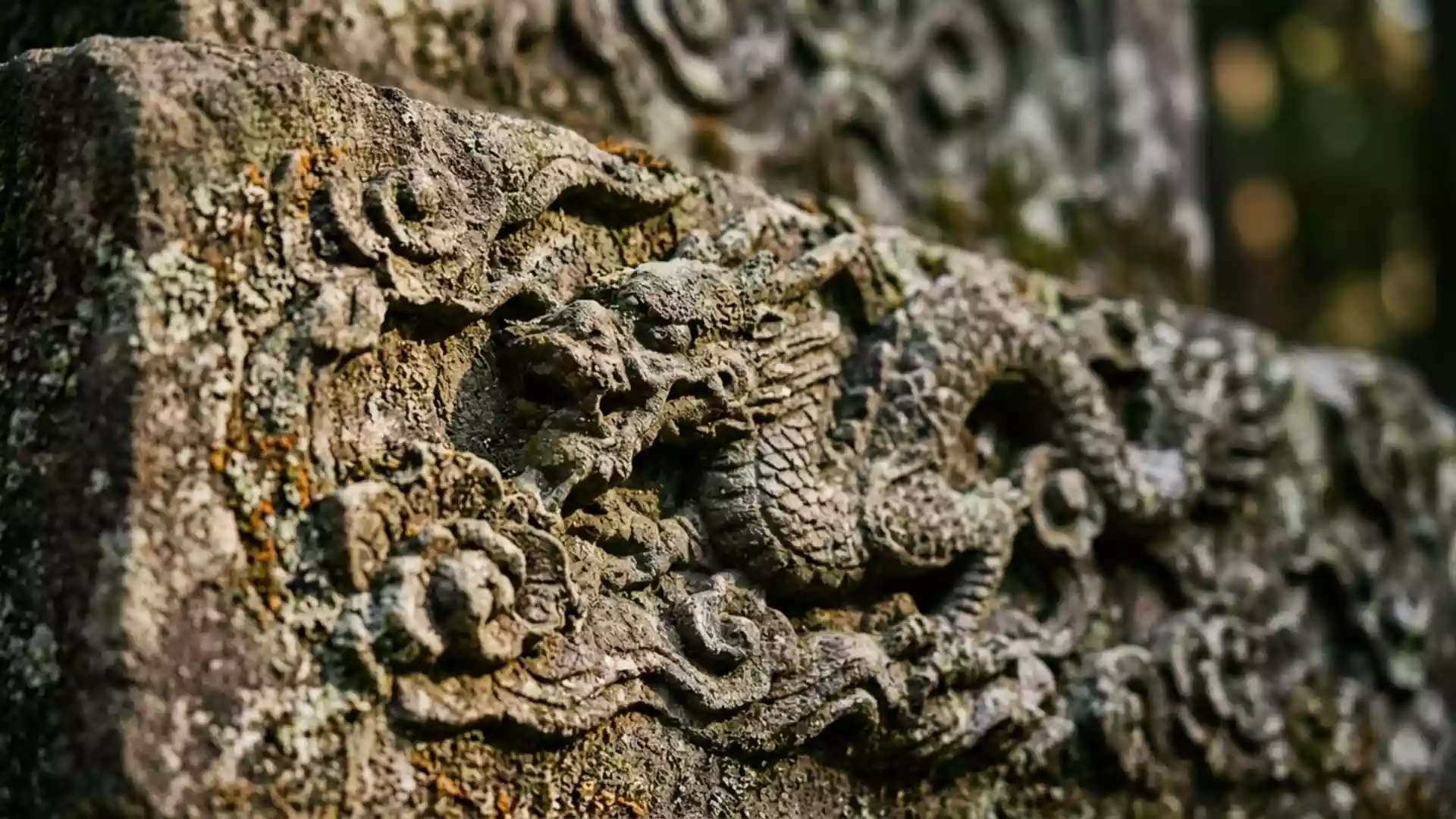
Nikko Toshogu and its carved, gold-laced shrine complex
Published on 09/10/2026 at 12:03 | Editorial responsibility: Rafael Müller, Editor-in-Chief AD HOC NEWS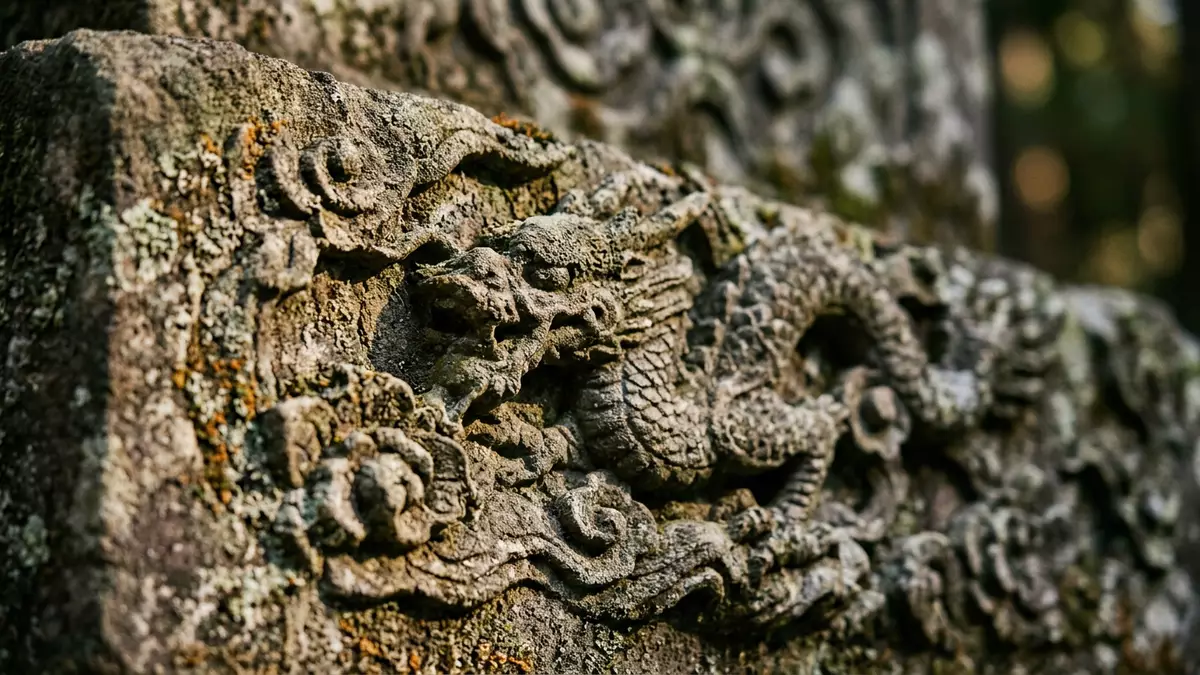
Nikko Toshogu is the Tokugawa shrine complex in Nikko, built around the cult of Tokugawa Ieyasu and completed in 1636. Its pagodas, gates, gilding and dense carving make it a shrine group that reads as architecture and ornament at once.
Tokugawa Ieyasu and the shrine complex
The shrine belongs to the Shrines and Temples of Nikko, a World Heritage property that combines one hundred three religious buildings across three principal sacred sites. Nikko Toshogu is the best-known part of that ensemble, and the name points directly to Tokugawa Ieyasu, the first Tokugawa shogun.
Ieyasu died in 1616, and the shrine traces its origin to the next year, when a first memorial building was established in Nikko. The present complex took shape under Tokugawa Iemitsu and was finished in 1636, giving the site a clear seventeenth-century profile. The dates matter because they place the shrine in the early Edo period, when political authority and ceremonial display were closely bound together.
Carving, lacquer and gilded surfaces
The most striking feature is the density of decoration. The structures carry carved animals, floral motifs, painted surfaces and applied gold, so the shrine reads less like a restrained sanctuary than a ceremonially saturated ensemble.
The famous World Heritage site includes the Yomeimon gate, roofed corridors and subsidiary halls that extend the visual rhythm of the complex. The shrine is also linked with the wider sacred landscape of Nikko, where Shinto and Buddhist monuments stand within the same historic precinct.
A shrine inside Nikko's sacred landscape
Nikko itself has long been a religious centre, and Toshogu sits within that established sacred topography rather than apart from it. The surrounding hills, cedar avenues and neighbouring sanctuaries give the shrine a setting that connects built form with mountain landscape.
That relationship helps explain why the complex feels layered: gates lead to courts, courts lead to halls, and the surfaces keep changing from dark timber to lacquer and gold. The result is a shrine that can be read as a sequence of thresholds, each one more ornate than the last.
Visiting Nikko Toshogu: what travellers from Western Europe should know
- The shrine stands in Sannai, Nikko, in Tochigi Prefecture. JR Nikk? Station and T?bu Nikk? Station are the usual rail gateways to the area.
- The precinct includes gates, steps and enclosed corridors, with timber structures set on uneven ground. Comfortable footwear makes sense for the paths between the main buildings.
- The official language is Japanese and the currency is the Japanese yen.
- Nikko Toshogu forms part of the UNESCO-listed Shrines and Temples of Nikko. The wider ensemble also includes Futarasan Shrine and Rinno-ji.
Searching for Nikko Toshogu on social platforms
These links open searches for Nikko Toshogu on each platform.
Frequently asked questions about Nikko Toshogu
Where is Nikko Toshogu?
It is in Nikko, Tochigi Prefecture, within the shrine and temple district associated with the city’s sacred mountain setting.
What does the complex contain?
It contains gates, halls, corridors and richly decorated shrine buildings. The carved timber and gilded surfaces are central to its character.
What makes it distinctive?
Its link to Tokugawa Ieyasu and its 1636 completion place it firmly in early Edo history. The lavish decoration sets it apart from many more austere shrine compounds.