National Museum of Cambodia and its courtyard of Khmer forms
Published on 09/12/2026 at 10:25 | Editorial responsibility: Rafael Müller, Editor-in-Chief AD HOC NEWS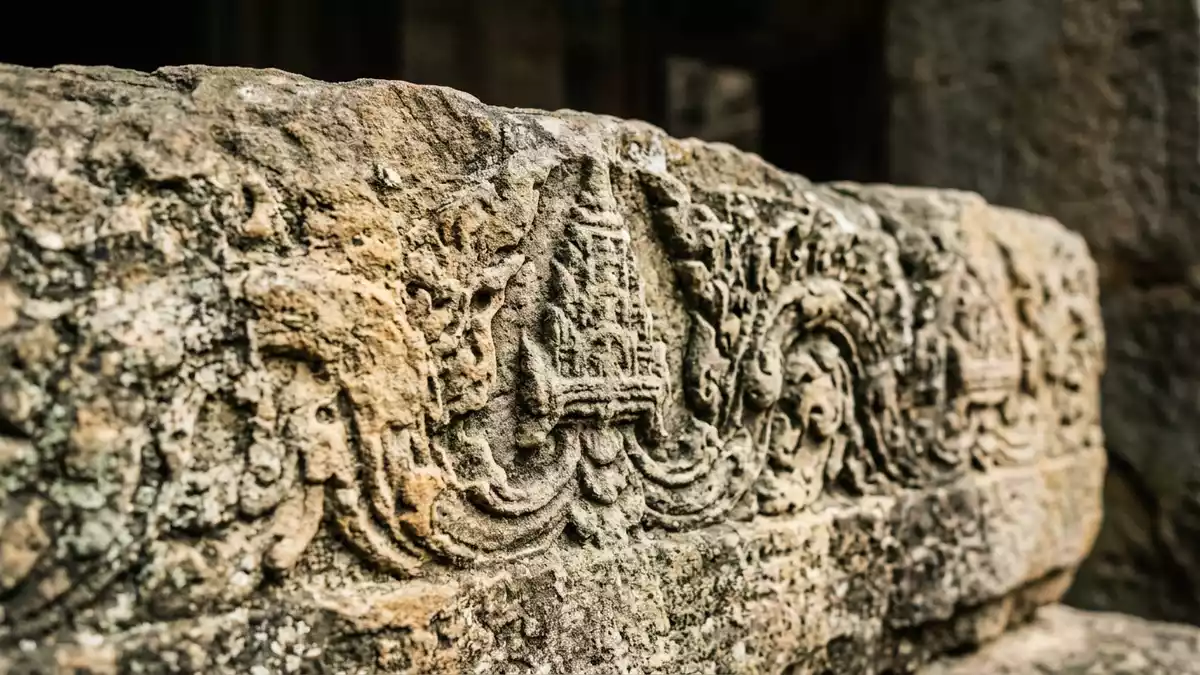
The National Museum of Cambodia in Phnom Penh gathers ancient Khmer sculpture, ritual objects and everyday artefacts around an enclosed courtyard planted with greenery. Designed by French historian and architect George Groslier during the period of the French Protectorate, the museum building was inaugurated in 1920 during Khmer New Year in the presence of King Sisowath, and it has remained Cambodia’s leading archaeological and historical museum ever since.inaugurated during Khmer New Year in 1920
A Khmer-inspired museum built under French rule
The museum stands in central Phnom Penh near the Royal Palace, on Street 13 in the Chey Chumneas quarter of Daun Penh district.Street 13 in Phnom Penh The foundation stone was laid on 15 August 1917, at a time when French colonial administrators were systematising the study of Khmer antiquities, and construction continued into the early 1920s.foundation stone laid on 15 August 1917 George Groslier’s design drew inspiration from motifs found on temple bas-reliefs, translated into the scale of a museum complex with pitched roofs, sculpted gables and colonnaded galleries.
The architecture uses a deep reddish exterior and ornamental details familiar from Angkor-period religious buildings, giving the museum a distinctively Khmer profile despite its early twentieth-century date. Tiered rooflines step up above the surrounding streets, carved elements decorate doorways and galleries, and the plan frames a central courtyard open to the sky, around which the main display spaces are arranged.inspiration from temple bas-reliefs For visitors, the sequence from the entrance through the shaded galleries into the planted courtyard sets the tone: this is a purpose-built museum that borrows the language of Khmer sacred architecture without being a temple.
Collections spanning prehistoric to post-Angkorian Cambodia
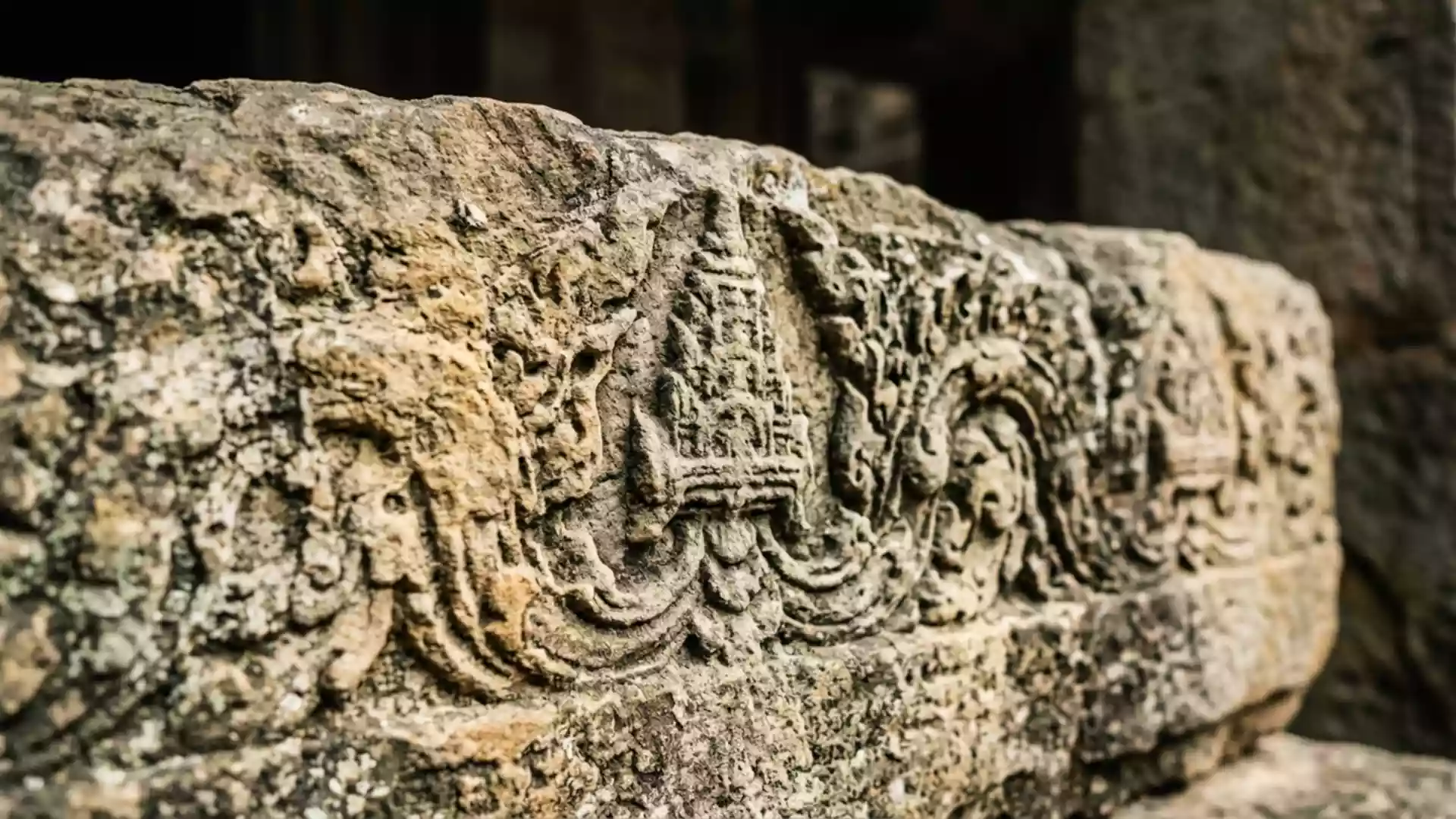
Inside, the National Museum of Cambodia houses the country’s most important collection of Khmer cultural material, with many thousands of works in stone, bronze, wood and ceramics.collections divided into stone, metal, wood and ceramics The holdings cover archaeology and art history from prehistoric settlements through the pre-Angkorian Funan and Chenla polities, the Angkor Empire and the post-Angkorian kingdoms. Large sandstone sculptures of Hindu and Buddhist deities, lintels and pediments once part of temple doorways, and finely cast bronze figures all appear among the displays.finest collection of Khmer sculpture
The galleries are broadly arranged by period and material, so that a walk through the museum becomes a chronological journey through Cambodian art. Prehistoric and early historic objects introduce the deep timeline of settlement and ritual; pre-Angkorian works show the emergence of large-scale religious sculpture; Angkorian pieces present the high point of temple building and royal patronage; post-Angkorian galleries bring the story into later Buddhist kingdoms, with smaller devotional images and decorative arts. Ethnographic objects, such as masks and ritual furnishings, add another layer, linking archaeological finds to living performance and practice.largest collection of Khmer cultural material
Courtyard, conservation and survival through upheaval
One of the museum’s defining features is its central courtyard, a quiet garden enclosed by the galleries. Pathways run between planting beds and water features, while stone sculptures stand along the edges and against the walls, exposed to daylight rather than the controlled conditions of interior rooms. This combination of open air, plants and carved stone recalls the relationship between architecture and landscape at Angkor, but here on a smaller, urban scale. For many visitors the courtyard provides a pause between denser rooms of labels and objects, while still remaining part of the curated collection.
The National Museum of Cambodia’s building and collections have lived through Cambodia’s twentieth-century upheavals. During the Khmer Rouge regime between 1975 and 1979, Phnom Penh was largely emptied of its inhabitants and the museum was abandoned, its roof deteriorating and its gardens left untended.abandoned during the Khmer Rouge years After the city’s liberation in January 1979, the building was tidied and reopened on 13 April 1979, and conservation work has continued since, supported by partnerships between Cambodian institutions and international organisations.reopened on 13 April 1979 The museum’s role has expanded beyond display: it now serves as a centre for cataloguing, research and training in heritage preservation alongside its public galleries.
Visiting National Museum of Cambodia: what travellers from Western Europe should know
- The National Museum of Cambodia stands in central Phnom Penh on Street 13, close to the Royal Palace and the Silver Pagoda complex, and is easily reached by local road transport.
- Visitors move through a sequence of interior galleries and the central courtyard, with stone floors and some staircases; comfortable walking footwear helps with the circuit around the building.
- The museum is in Cambodia, where the official language is Khmer and the currency is the riel; US dollars circulate alongside the local currency in many transactions.
- Entry requirements depend on your nationality; UK travellers can check the FCDO travel advice at gov.uk/foreign-travel-advice, Irish travellers the Department of Foreign Affairs at ireland.ie.
Searching for National Museum of Cambodia on social platforms
These links open searches for National Museum of Cambodia on each platform.Frequently asked questions about National Museum of Cambodia
Where is the National Museum of Cambodia located in Phnom Penh?
The museum is situated on Street 13 in the Chey Chumneas area of Daun Penh district, close to the Royal Palace and other central landmarks.
What can visitors expect to see inside the museum?
Visitors encounter galleries of Khmer sculpture, ceramics, metalwork and wooden artefacts arranged by period, plus an open courtyard displaying stone works among plants.
What makes the National Museum of Cambodia distinctive among regional museums?
Its combination of a purpose-built Khmer-inspired building, a courtyard garden and an encyclopaedic collection of Khmer material from prehistoric to post-Angkorian periods gives it a particular character.