
Myeongdong’s streets and cathedral in central Seoul
Published on 09/15/2026 at 21:28 | Editorial responsibility: Rafael Müller, Editor-in-Chief AD HOC NEWS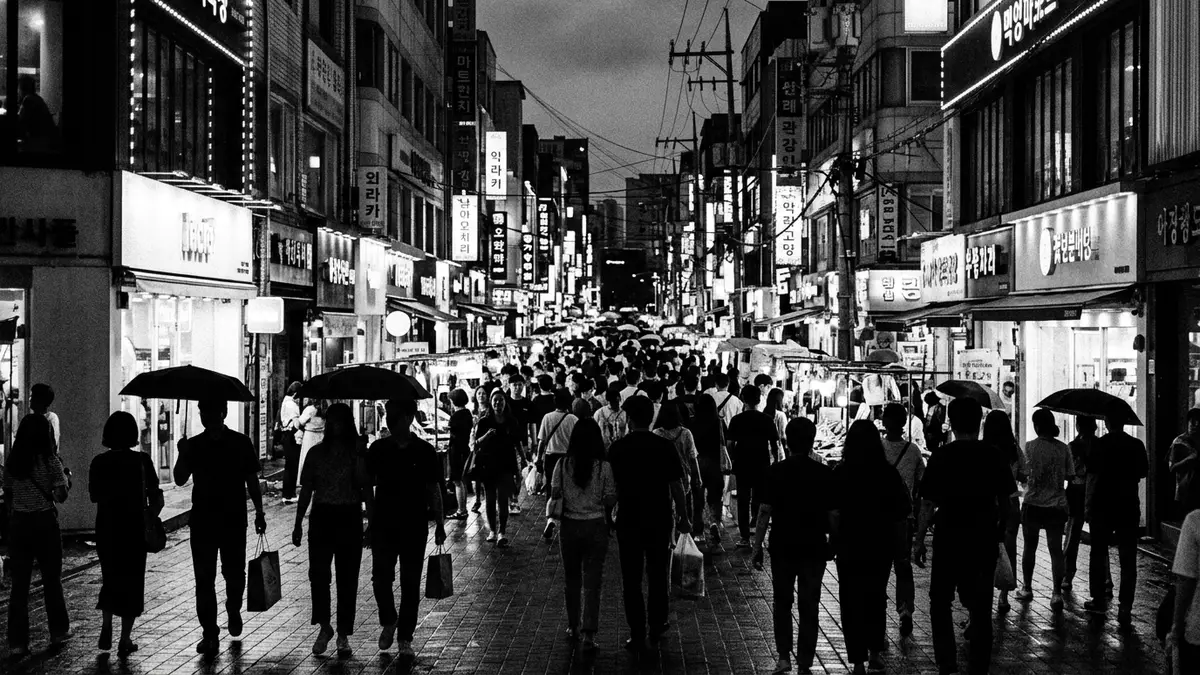
Myeongdong is a neighbourhood in Jung District, Seoul, and one of the city’s main shopping and tourism districts. Its streets are framed by late nineteenth-century Catholic history and the commercial character that grew around it.
Myeongdong’s layered streetscape
The district lies between Chungmu-ro, Eulji-ro and Namdaemun-ro. It began as part of the southern side of Hanseong during the Joseon period, and its later names reflect shifts in the city’s history Joseon period.
By 1946, the neighbourhood had taken its present name. The area is closely tied to shopping, pedestrian streets and protest culture, with Myeongdong Cathedral among its best-known landmarks present name.
The cathedral at the centre
Myeongdong Cathedral stands in the neighbourhood as a Gothic Revival church and the seat of the Archbishop of Seoul. Ground was broken in 1892, and the building was completed in 1898 Gothic Revival church.
It remains the oldest Catholic cathedral in Korea and a Historic Site of South Korea. The brick church rises above the surrounding streets, with a steeple and clock on the main façade Historic Site of South Korea.
Commerce, finance and public life
Myeongdong developed into a commercial district in the colonial period and expanded after the Korean War as banks, shops and department stores filled its streets. That mixed urban identity still defines it: retail frontage, financial offices and a church that has drawn public attention for decades commercial district.
The neighbourhood also contains theatres and hotels, and its pedestrian streets make it one of Seoul’s most recognisable central quarters. The result is a compact district where trade and civic memory sit side by side pedestrian streets.
Visiting Myeongdong: what travellers from Western Europe should know
- The neighbourhood sits in central Seoul, within Jung District. Myeongdong Station on Seoul Subway Line 4 is the clearest rail reference point.
- The streets are largely flat and pedestrian-friendly, with a compact urban grid. The cathedral stands apart from the retail blocks in brick and Gothic Revival form.
- The district combines shopping streets, churches and theatres in a tight area. Myeongdong Cathedral is the key historic landmark within that setting.
- English is not the main official language here, and the currency is the South Korean won.
- Entry requirements depend on your nationality; UK travellers can check the FCDO travel advice at gov.uk/foreign-travel-advice, Irish travellers the Department of Foreign Affairs at ireland.ie.
Searching for Myeongdong on social platforms
These links open searches for Myeongdong on each platform.
Frequently asked questions about Myeongdong
Where is Myeongdong?
Myeongdong is a neighbourhood in Jung District, central Seoul, between several major streets. It lies around one of the city’s most familiar shopping and pedestrian areas.
What does a visit involve?
The area mixes retail streets, restaurants, theatres and the cathedral in a compact grid. The most striking contrast is between the brick Gothic Revival church and the commercial buildings around it.
What makes Myeongdong distinctive?
Its identity comes from the overlap of commerce, Catholic history and public gathering space. Few central districts in Seoul combine those elements in such a concentrated way.


