
Museumsinsel in Berlin: an island of museums on the Spree
Published on 09/17/2026 at 12:10 | Editorial responsibility: Rafael Müller, Editor-in-Chief AD HOC NEWS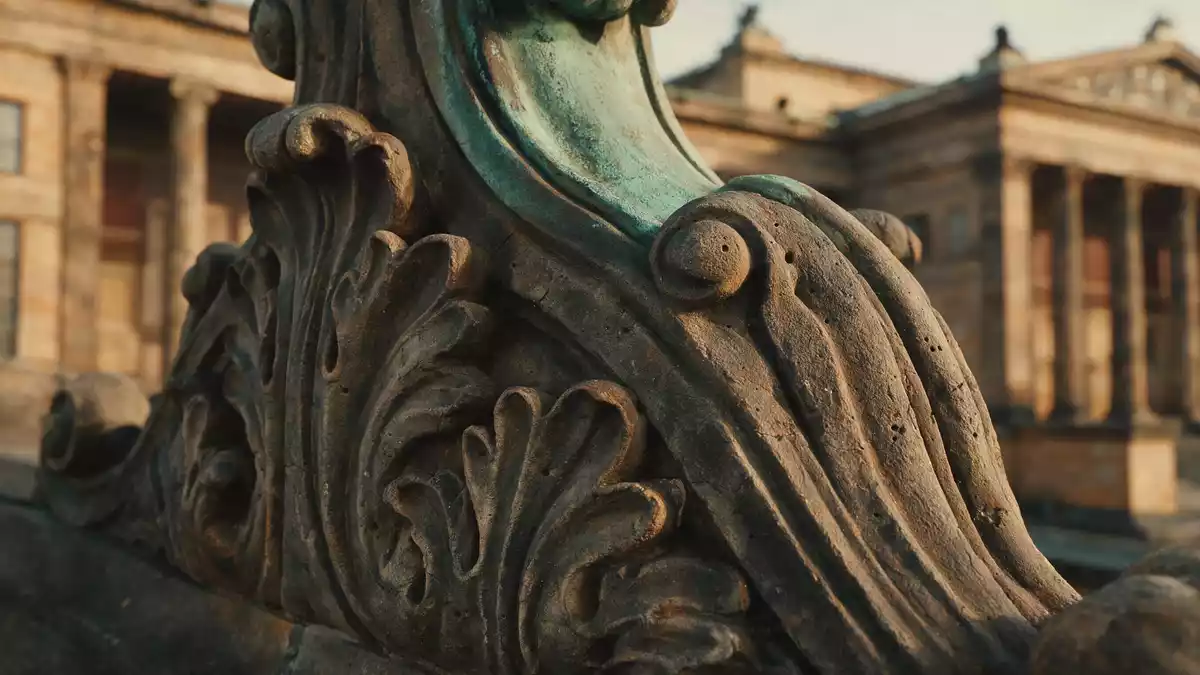
Museumsinsel in Berlin concentrates five major museums on the northern part of the Spree Island, where nineteenth? and early twentieth?century architecture wraps around collections that span thousands of years of human history. The ensemble was created between 1830 and 1930 under the Prussian kings and has been recognised as a UNESCO World Heritage Site since 1999, giving this small patch of land in central Berlin an unusually dense mix of monumental façades, colonnades and river views.
An island where architecture and collections meet
Museumsinsel occupies a stretch of the Spree in the historic centre of Berlin, forming a long, narrow island whose northern end is given over almost entirely to museum buildings. The sequence of structures reflects a century of changing ideas about how art and artefacts should be housed, from the neo?classical temple form of the Altes Museum to later historicist and modern additions in stone and glass. The complex was developed from 1830 to 1930 by several renowned Prussian architects, and the five principal museums belong to the Berlin State Museums, which administer national collections of art and antiquities.five museums on the Museumsinsel Together they form an ensemble that was formally inscribed on the UNESCO World Heritage List in 1999 under cultural criteria (ii) and (iv), recognising both the architectural coherence of the group and its role in the evolution of the modern art museum.inscribed in 1999 under criteria (ii) and (iv)
The Altes Museum, designed by Karl Friedrich Schinkel and opened in the early nineteenth century, stands facing the Lustgarten with a broad colonnaded front and a raised podium, signalling its original role as a public display space for antiquities.Museum Island Berlin Behind it, the Alte Nationalgalerie rises like a compact palace, with an exterior that combines an elevated stairway and sculptural decoration to frame collections of nineteenth?century painting and sculpture. At the northern tip of the island, the Bode?Museum presents a more sculptural silhouette along the river, while the Pergamon Museum and the Neues Museum complete the sequence with monumental halls devoted to large?scale architectural reconstructions and archaeological finds.
Five museums, many civilisations
Standing on Museumsinsel, it is possible to walk between galleries that cover a sweep of cultures from ancient Egypt and the Near East to Classical Greece and Rome, mediaeval Europe and the art of the nineteenth century.6000 Jahre Kulturgeschichte The Neues Museum, rebuilt with great care after damage in the twentieth century, houses collections that include Egyptian artefacts and prehistoric objects, while the Pergamon Museum is associated with large reconstructions such as the Pergamon Altar, the Market Gate of Miletus and the Ishtar Gate from Babylon.archaeological monuments in the Pergamon Museum Alongside these, the Bode?Museum presents sculptures and Byzantine art, and the Alte Nationalgalerie focuses on European painting and sculpture of the nineteenth century.
Because the museums are grouped so closely, the island creates a compact route through several strands of European and Mediterranean cultural history. Visitors can move from rooms lined with classical columns and marble to spaces where ancient reliefs, gates and arches have been reassembled within soaring halls. The arrangement of the buildings around courtyards and riverfront promenades means that the collections are constantly framed by views of stone façades, steps, terraces and bridges, underlining the way in which the Museumsinsel was conceived as a unified architectural and museological project.architectural ensemble in the heart of Berlin
Museumsinsel as a city landscape
Museumsinsel is not only a collection of interiors; it is also an urban landscape defined by water, bridges and open spaces. The island is bounded on both sides by the Spree, with embankments that frame views towards the Fernsehturm at Alexanderplatz, the reconstructed Berlin Palace and the boulevard Unter den Linden. Stone balustrades, stairways and walkways trace the edge of the river, while the façades of the museums form long walls punctuated by porticoes and colonnades. Together they create a sequence of outdoor spaces where the monumental architecture is reflected in the water and set against the broader fabric of Berlin?Mitte.Spreeinsel im Herzen Berlins
The ensemble has been described as a kind of “city crown”, a term used in heritage documentation to capture the way in which the museums form a symbolic focus in the centre of Berlin.a kind of city crown The James?Simon?Galerie, a more recent reception and exhibition building, introduces glass, pale stone and generous stairs to the riverfront, forming a contemporary counterpart to the nineteenth?century fabric and providing a central entrance point for several of the museums.James-Simon-Galerie on Museumsinsel From bridges such as the Schlossbrücke and Monbijoubrücke, the view across the water takes in domes, pediments and sculptural groups, making the island itself part of the wider panorama of Berlin.
Visiting Museumsinsel: what travellers from Western Europe should know
- Museumsinsel lies in Berlin?Mitte on the northern part of the Spree Island, between the Spree and the Kupfergraben, and is reached over several bridges from streets such as Unter den Linden and Bodestraße.
- The area between the individual museums is largely paved, with broad exterior stairways, stone terraces and colonnades, so moving between buildings involves walking on hard surfaces and using steps inside and out.
- The closest underground line serving Museumsinsel is U5, with a station named for the island, and nearby suburban railway stops such as Hackescher Markt provide further access by train.
- For travellers from Western Europe, the official language is German and the currency is the euro.
Searching for Museumsinsel on social platforms
These links open searches for Museumsinsel on each platform.Frequently asked questions about Museumsinsel
Where is Museumsinsel located within Berlin?
Museumsinsel occupies the northern part of the Spree Island in Berlin?Mitte, surrounded by branches of the River Spree and reached from central streets over several bridges.
What can visitors expect when they come to Museumsinsel?
Visitors encounter a compact group of major museums in monumental stone buildings, with collections ranging from ancient Egypt and Classical antiquity to mediaeval and nineteenth?century European art.
What makes Museumsinsel distinctive compared with other museum areas?
Its distinction lies in the way five large museums, built between 1830 and 1930 on a single island, form a unified architectural ensemble that has been recognised as a UNESCO World Heritage Site since 1999.


