

Museum of Islamic Art in Doha and its limestone geometry
Published on 08/27/2026 at 21:51 | Editorial responsibility: Rafael Müller, Editor-in-Chief AD HOC NEWS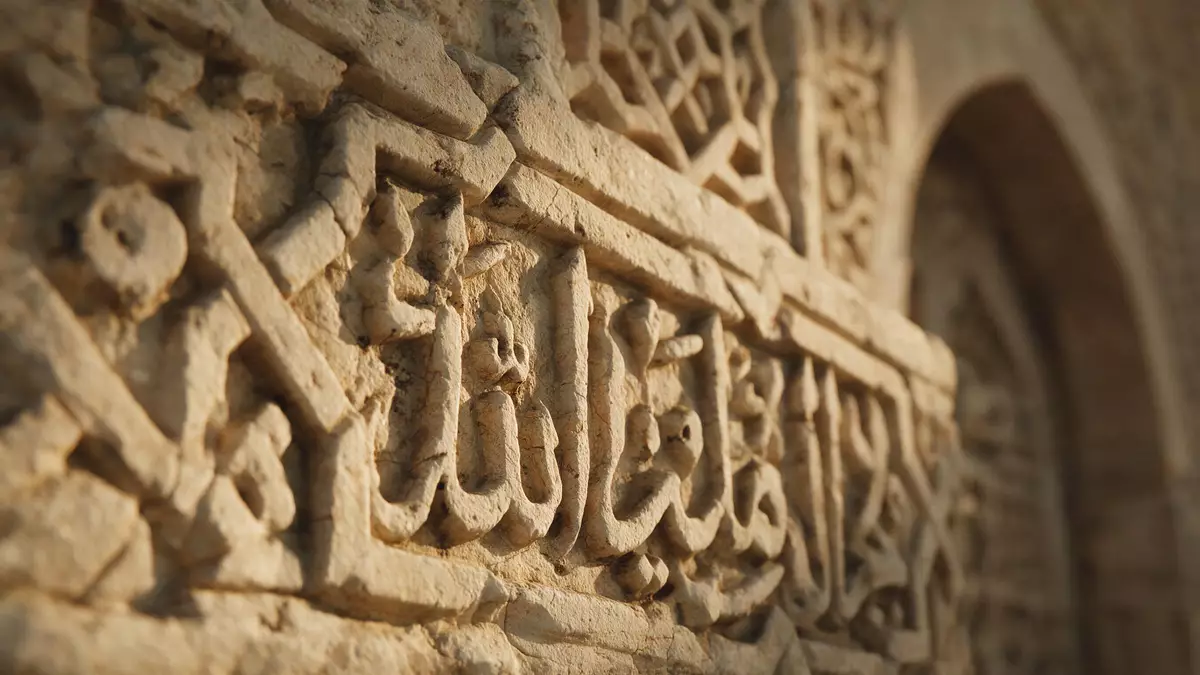
Museum of Islamic Art in Doha is a limestone building by I. M. Pei on the city’s waterfront. Its layered geometry, set apart on an island, makes the exterior as much a part of the visit as the galleries inside.
The Pei building on Doha’s waterfront
The museum opened in 2008 and was designed by I. M. Pei, the Chinese American architect whose late career included some of his most recognisable work. The building sits on an artificial island at the southern end of the Corniche, a setting that keeps the mass of the museum clear against the water.
The exterior uses pale stone and compact volumes rather than ornament. The form rises in stacked, angular blocks, with a central tower and a low surrounding base that gives the whole building a measured profile.
Islamic art inside a modern shell
Inside, the museum houses art from across the Islamic world, with objects spanning several centuries and regions. The galleries place metalwork, ceramics, glass, textiles and other forms within a sober contemporary interior.
The museum is linked with Qatar Museums and forms part of Doha’s wider cultural quarter. That institutional role matters as much as the architecture, because the building serves as both exhibition space and a public landmark on the bay.
Water, stone and the Corniche setting
The museum’s island position makes the approach part of its identity. From the waterfront, the building reads as a geometric object surrounded by open water, with the city skyline visible beyond the bay.
MIA Park lies beside the museum and extends the site into lawns, paths and open space. The result is a clear contrast between the solid stone mass of the building and the broad outdoor setting around it, with the Corniche running through Doha’s urban edge.
Visiting Museum of Islamic Art: what travellers from Western Europe should know
- The museum stands on Doha’s Corniche, south of the city centre. It is reached by road and by the waterfront promenade.
- The building sits on an island, so the approach crosses open water rather than merging directly into the street pattern.
- The pale stone exterior and raised position make the building easy to read from the bay side.
- MIA Park lies beside the museum and gives the site an open public edge.
Searching for Museum of Islamic Art on social platforms
These links open searches for Museum of Islamic Art on each platform.
Frequently asked questions about Museum of Islamic Art
Where is Museum of Islamic Art?
It stands on Doha’s Corniche in Qatar, on an island just off the waterfront. The museum faces the bay and sits beside MIA Park.
What should visitors expect?
The museum combines a modern stone building with galleries of Islamic art. The setting includes water, open space and a clear view towards Doha’s skyline.
What makes the building distinctive?
The museum is closely associated with I. M. Pei and its angular limestone composition. Its island setting and compact geometric mass give it a strong presence on the bay.


