Musee du Bardo in Tunis and its palace of mosaics
Published on 09/07/2026 at 22:35 | Editorial responsibility: Rafael Müller, Editor-in-Chief AD HOC NEWS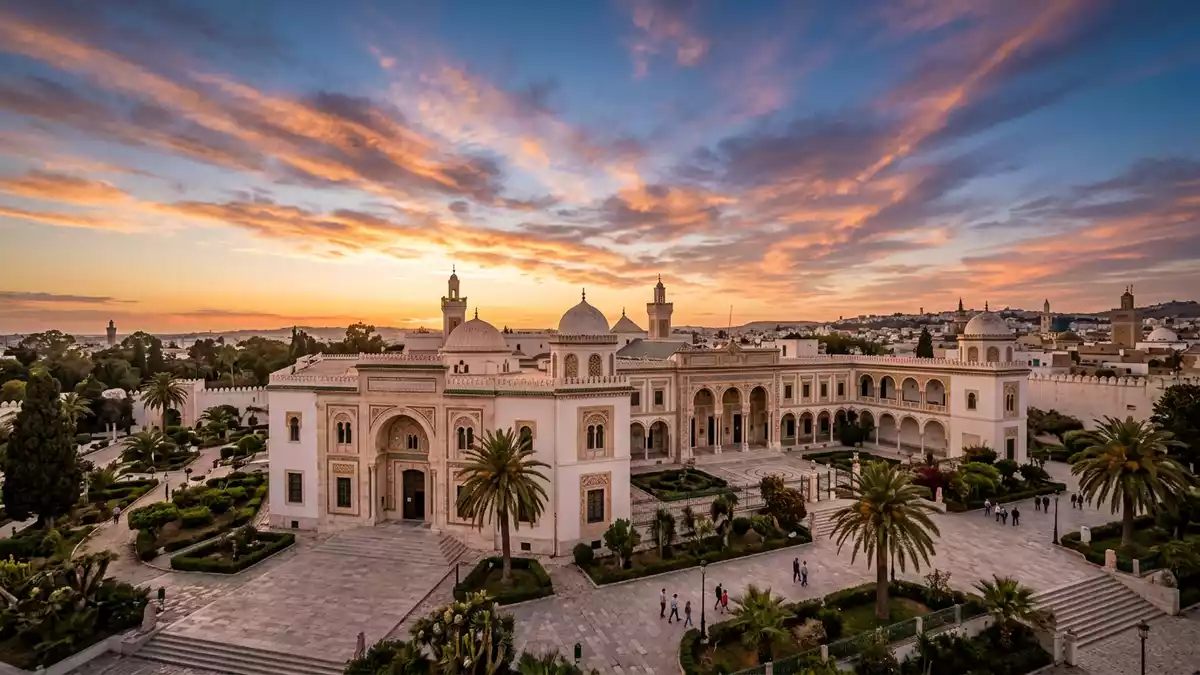
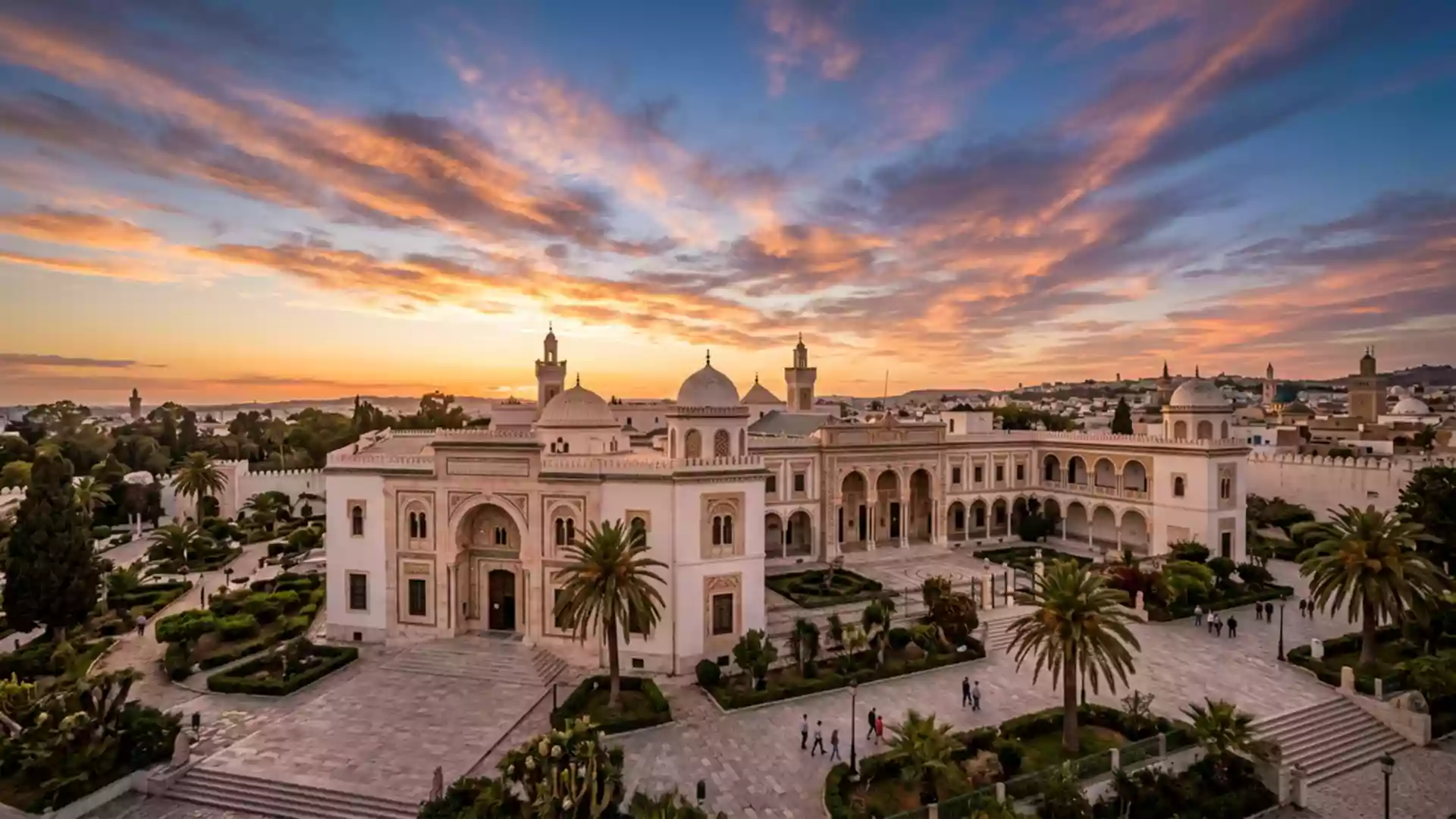
Musee du Bardo in Tunis is housed in a former beylical palace at Le Bardo, a suburb west of the historic centre, and is devoted to Tunisia’s long archaeological and historical record.Bardo National Museum Within its courtyards and galleries, collections range from Libyco-Punic remains to Roman mosaics and later Islamic and Ottoman pieces, making the museum one of the country’s central repositories of material culture.
A beylical palace turned national museum
The palace complex that now contains Musee du Bardo was developed by Tunisian rulers over several centuries and taken over for museum use in the late nineteenth century.National Museum of Bardo In 1882 a decree established a national museum at Bardo, and the institution was officially inaugurated in 1888 as the Alaoui Museum, reflecting the name of the reigning bey Ali III.official opening took place on May 7, 1888 After Tunisian independence in the mid-twentieth century the museum was renamed the Bardo National Museum, a title it retains as the principal national archaeological museum.
The building itself combines older palace structures with later additions, giving visitors a sequence of rooms that move from reception halls to residential apartments and high-ceilinged galleries adapted for large archaeological displays.ancien palais beylical du XIXème siècle Decorative details in stucco, painted wood and tilework survive alongside modern exhibition fittings, so that the palace architecture becomes part of the museum visit as much as the objects themselves.
Roman mosaics and Carthaginian heritage
Musee du Bardo is particularly known for its Roman mosaic collections, which were gathered from villas and public buildings excavated across Tunisia, including Carthage and other former centres of Roman Africa.plus grande collection de mosaïques au monde Large floor panels depicting mythological scenes, hunting parties and geometric patterns are mounted vertically along gallery walls, turning what were once pavements into monumental picture surfaces that can be studied in detail.
Alongside the mosaics, the museum displays Libyco-Punic inscriptions, Carthaginian statuary and funerary stelae, early Christian baptisteries and sarcophagi, and Islamic-period ceramics and architectural fragments.produits des fouilles des sites libyco-puniques et romains In this way Musee du Bardo presents a continuous sequence from prehistoric finds through Punic and Roman eras to later Islamic and Ottoman periods, giving a compact overview of the region’s shifting civilisations.presents Tunisia’s history from prehistoric times
Layout, galleries and atmosphere
The museum’s layout follows the palace plan, with courtyards opening onto suites of rooms and larger halls adapted as main exhibition spaces.Musée national du Bardo (Tunisie) In the historic reception halls, mosaic panels are framed by carved ceilings and arcades, while more modern wings offer neutral walls and controlled lighting for archaeological objects and sculpture. This alternation between ornate palace interiors and simpler galleries helps visitors distinguish between the building’s own decoration and the artefacts brought in from sites around Tunisia.
Certain rooms are devoted to specific periods or themes, such as Carthaginian material, Roman domestic decoration or Islamic art, so that a single visit can pass through sharply different visual worlds within one complex.The National Bardo Museum overview Windows and terraces look out towards the surrounding suburb of Le Bardo, reminding visitors that this palace was once a political centre as well as a residence, before its rooms were given over to museum use in the nineteenth century.situé dans le quartier du Bardo
Visiting Musee du Bardo: what travellers from Western Europe should know
- Musee du Bardo stands in Le Bardo to the west of central Tunis and is reached along major city avenues or by the light metro line that serves the suburb.
- Inside the museum, many galleries are on upper levels linked by staircases, and long walks through mosaic halls mean that a visit involves extended time on foot.
- The museum is in Tunisia, where the official language is Arabic and the currency is the Tunisian dinar.
- Entry requirements depend on your nationality; UK travellers can check the FCDO travel advice at gov.uk/foreign-travel-advice, Irish travellers the Department of Foreign Affairs at ireland.ie.
Searching for Musee du Bardo on social platforms
These links open searches for Musee du Bardo on each platform.
Frequently asked questions about Musee du Bardo
Where is Musee du Bardo located?
Musee du Bardo is in Le Bardo, a suburb to the west of central Tunis in Tunisia, within a former palace complex of Tunisian rulers.
What can visitors expect on a visit to Musee du Bardo?
Visitors encounter palace interiors and galleries filled with Roman mosaics, Punic and Carthaginian artefacts, early Christian monuments and Islamic-period works.
What makes Musee du Bardo distinctive among museums in Tunisia?
Its setting in a historic beylical palace and its extensive mosaic and archaeological collections tracing Tunisia’s history across many periods give Musee du Bardo a distinctive character.