
Monastery of El Escorial closes early on 27 September
Published on 09/27/2026 at 17:08 | Editorial responsibility: Rafael Müller, Editor-in-Chief AD HOC NEWS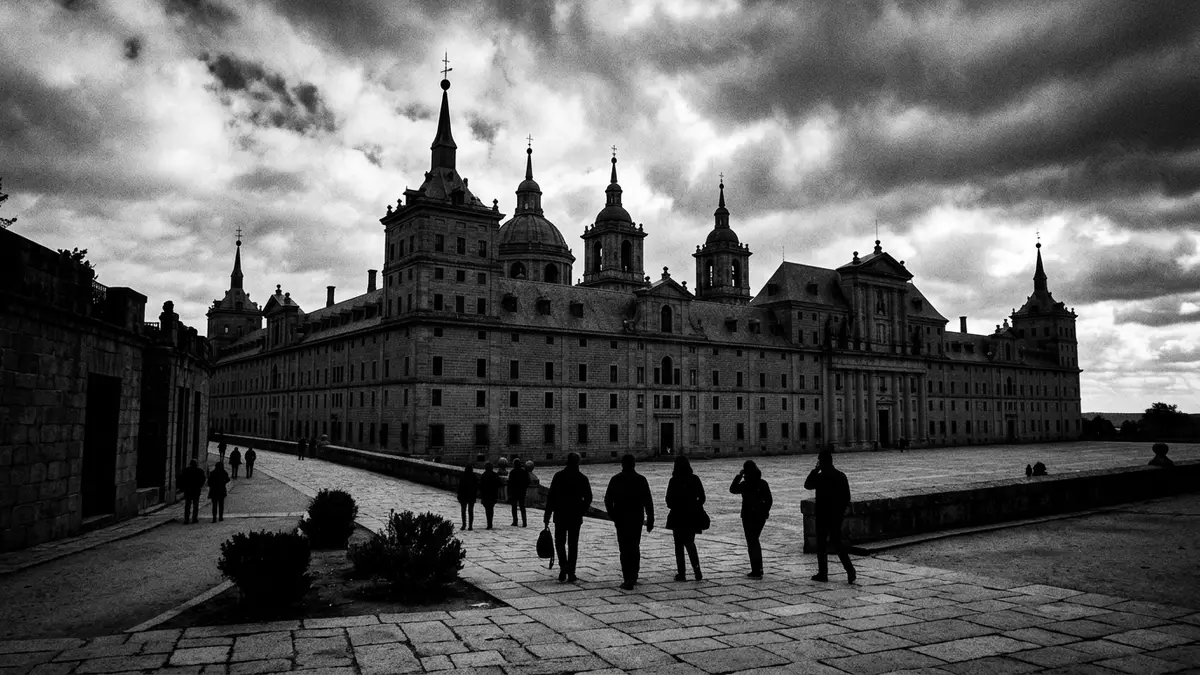
The Monastery of El Escorial (Monasterio de San Lorenzo de El Escorial) will close at 3pm on 27 September 2026, giving visitors to San Lorenzo de El Escorial a shorter Sunday visiting period. The early closure is listed by National Heritage for the main monument in Spain.
Early closure changes the 27 September visit
National Heritage, the custodian of the Royal Site, states that the Monastery of El Escorial will close at 3pm on 27 September 2026. The notice applies to the monument itself, while the same visitor information says that the Basilica does not require a ticket and closes during religious services.
The official visitor page also records an access change introduced during improvement works. Individual visitors and groups enter through the west facade and the Patio de Reyes, while ticket sales for individual visitors take place at the Visitor Reception Centre opposite the north facade. The official access notice for 27 September places the early closing information alongside the current arrangements.
Why the Royal Site remains architecturally significant
The Royal Site stands in San Lorenzo de El Escorial near Madrid, on one side of Mount Abantos in the Guadarrama Sierra. Tourism Madrid records its UNESCO World Heritage status from 1984 and gives the complex an area of 33,327 square metres.
Juan Bautista de Toledo laid the first stone on 23 April 1563, and Juan de Herrera took over the project after Toledo's death in 1567. The complex combines a monastery, royal residence, church, burial site, school, seminary and library. Its scale and functions explain why the 27 September access change affects more than a single historic room: the visitor route crosses a large architectural ensemble shaped over several centuries.
A recent restoration also remains part of the site's current visitor context. The Courtyard of the Evangelists reopened to the public on 21 July 2026 after twelve months of work by National Heritage, with its Renaissance layout restored. Details of the site's history, World Heritage status and restored courtyard appear in Tourism Madrid's monument guide.
Visiting Monastery of El Escorial: what travellers from Western Europe should know
- The main monastery closes at 3pm on 27 September 2026, rather than following the standard September schedule.
- Visitors affected by the early closure should use the west facade and Patio de Reyes, the current access route during improvement works.
- The address is Calle de Juan de Borbon y Battenberg, San Lorenzo de El Escorial, near Madrid. Buses 661 and 664 run from Moncloa interchange, and commuter train line C-8 serves El Escorial.
- The complex has very limited accessibility for people with reduced mobility because of the characteristics of the monument.
- Spanish is the official language, and Spain uses the euro.
Searching for Monastery of El Escorial on social platforms
These links open searches for Monastery of El Escorial on each platform.
Frequently asked questions about Monastery of El Escorial
When does the early closure take place at the Monastery of El Escorial?
The monument closes at 3pm on 27 September 2026, according to National Heritage's current visitor information.
Where is the Monastery of El Escorial and how do you get there?
It is in San Lorenzo de El Escorial near Madrid. Buses 661 and 664 run from Moncloa interchange, while commuter train line C-8 serves El Escorial.
What is the Monastery of El Escorial?
It is a sixteenth-century royal complex containing a monastery, palace, church, burial site, school, seminary and library. The site became a UNESCO World Heritage Site in 1984.


