Mercado de Chichicastenango and its layered highland culture
Published on 09/11/2026 at 19:41 | Editorial responsibility: Rafael Müller, Editor-in-Chief AD HOC NEWS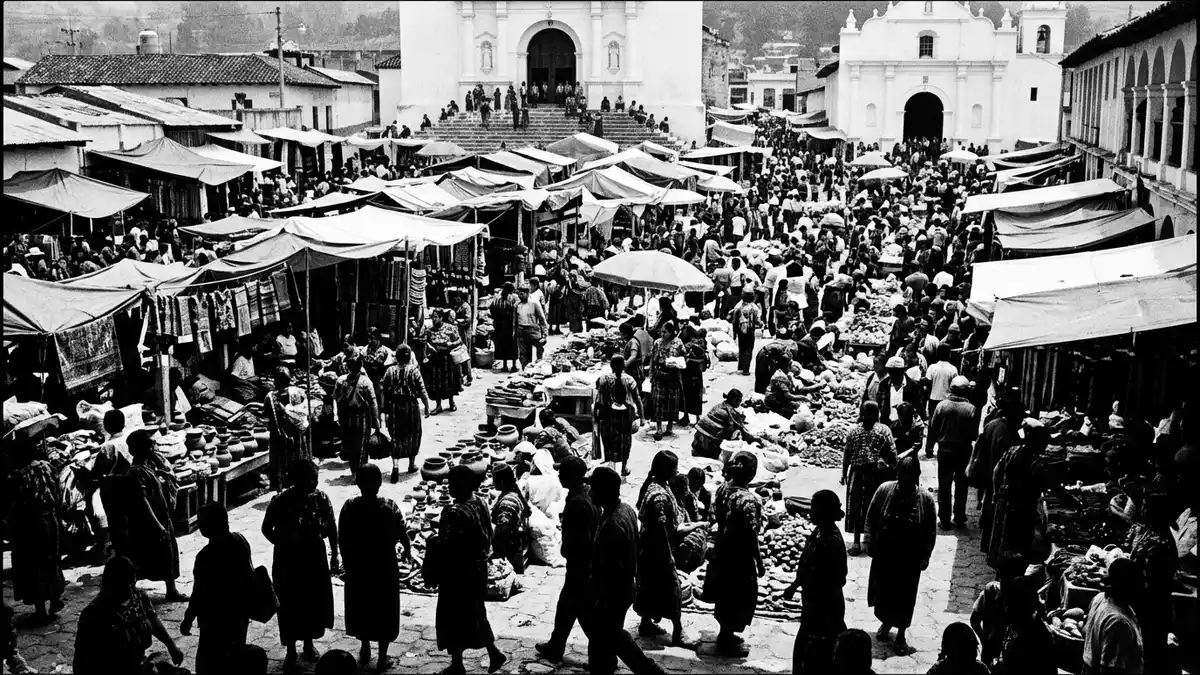
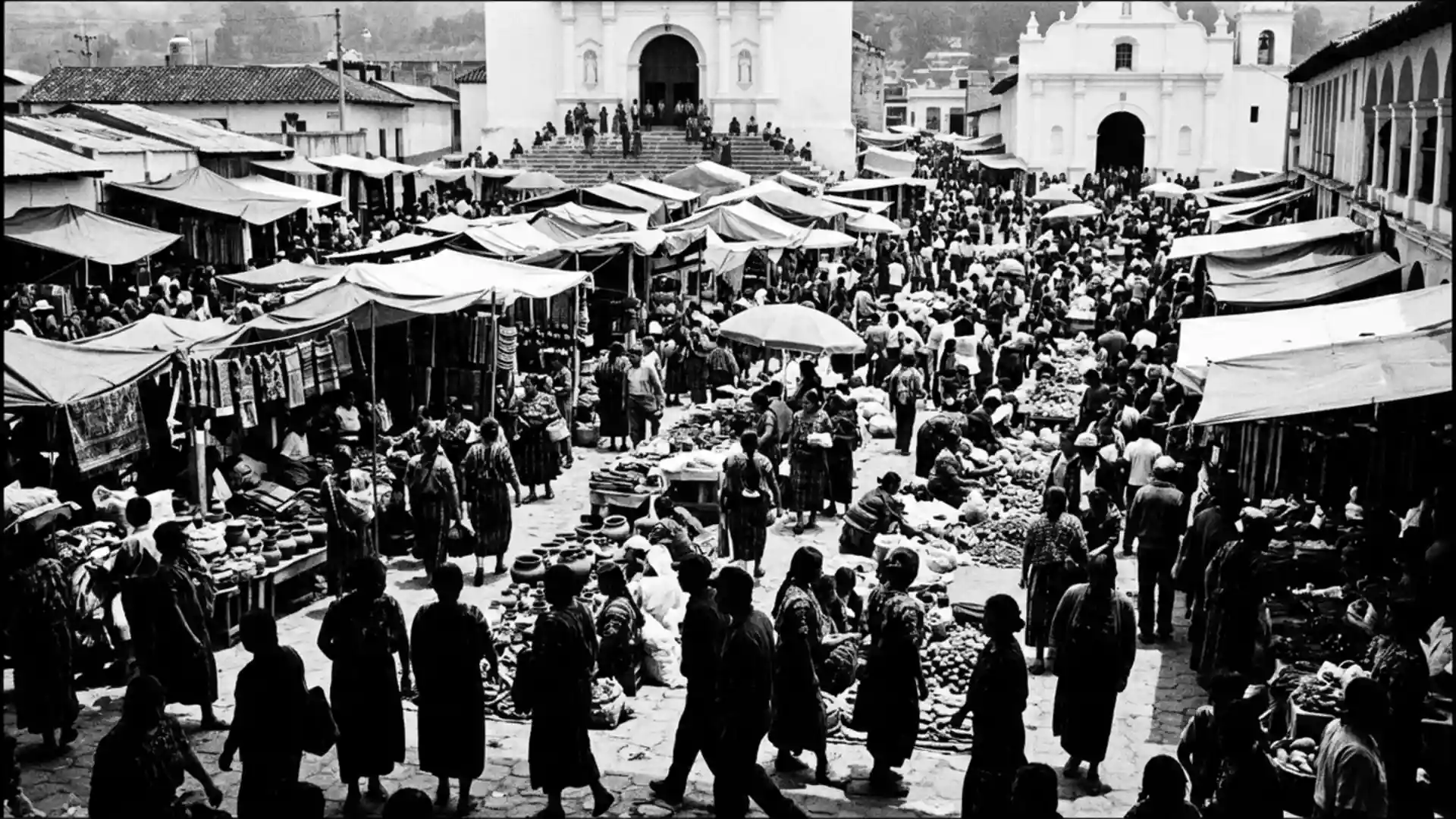
Mercado de Chichicastenango fills the centre of Chichicastenango in Guatemala’s western highlands with stalls, textiles and everyday trade that spill across streets and plaza in a dense pattern. The market has long been a meeting point for Maya K’iche’ communities in the department of El Quiché, giving visitors a way into local highland life as much as into its handicrafts.
The highland setting around Mercado de Chichicastenango
Chichicastenango lies in Guatemala’s Western Highlands, in the department of El Quiché, surrounded by upland valleys and ridges that have shaped settlement patterns for centuries.Guatemala’s Western Highlands The town sits some distance north of Lake Atitlán and away from the main corridors between Guatemala City and the Pacific coast, which gives the market a distinctly highland character compared with coastal trading centres.western highlands location The surrounding region is part of the traditional territory of the K’iche’ Maya, whose language and customs remain present in everyday life.
On market days, stalls line the streets radiating from the town’s main square, around the Church of Santo Tomás and neighbouring chapels, turning the paved approaches and steps into trading space.streets around the main square The central Plaza y Mercado is often described in practical guides as the nucleus of the market area, with stalls then extending along the adjoining avenues and calles in all directions.Plaza y Mercado The setting feels compact but multi-layered, with religious buildings, civic spaces and rows of temporary structures sharing the same blocks.
Textiles, handicrafts and everyday goods
Mercado de Chichicastenango is widely recognised in Central American travel literature as one of the largest highland handicrafts markets in the region, with textiles at its heart.largest market in the country Stallholders bring huipiles, the traditional blouses worn by Maya women, alongside woven skirts, shawls and table linens whose colours and motifs vary by village and family.textiles bordados a mano Many of these pieces are produced on backstrap looms, a technique with deep roots in Maya weaving traditions, and the resulting fabrics range from everyday clothing to more elaborate ceremonial garments.
Beyond textiles, Mercado de Chichicastenango carries pottery, carved wooden masks, musical instruments and domestic items that reflect both local traditions and wider Guatemalan craft practices.indigenous masks and wooden flutes Masks linked with regional dances share space with utilitarian bowls and pitchers, while stalls selling candles, copal incense, herbs and foodstuffs illustrate the overlap between commerce and ritual preparation.flowers, ceramics and plants medicinales Fresh produce brought in from surrounding villages adds another layer, with traders displaying fruit, vegetables and grains alongside prepared foods in modest comedores.
Santo Tomás and living Maya K’iche’ traditions
One of the most striking aspects of Mercado de Chichicastenango is the way the market wraps around the sixteenth-century Church of Santo Tomás, a colonial Catholic building that stands at the edge of the main square.Iglesia Santo Tomás The church is traditionally dated to the early period of Spanish rule in the region, built on foundations associated with pre-Hispanic structures, and its long exterior staircase effectively becomes part of the market, lined with flower sellers and traders on busy days.plaza de Chichicastenango Inside, Catholic liturgy coexists with elements drawn from Maya spirituality, reflecting centuries of syncretism between imported and indigenous belief systems.
For many K’iche’ families from the surrounding highlands, visits to Mercado de Chichicastenango combine trade, social contact and religious observance, particularly on Sundays when Mass is celebrated at Santo Tomás.Sunday Mass and syncretism Vendors and buyers use K’iche’ and Spanish alongside one another, and guides frequently point out how clothing styles, offerings and ceremonial items visible around the church and nearby hilltop shrines speak to a continuity of Maya practice under changing political and economic conditions.Mayan people of the Highlands The market therefore functions not only as a commercial centre but also as a focal point for cultural transmission across generations.
Visiting Mercado de Chichicastenango: what travellers from Western Europe should know
- Mercado de Chichicastenango takes place in the town of Chichicastenango in Guatemala’s El Quiché department, in the country’s western highlands, some distance north of Lake Atitlán. It is reached overland from Guatemala City and other highland towns by road connections that approach from several directions.
- The central market area is built around the main square and the Church of Santo Tomás, with stalls extending along paved streets and over stairways. Moving through the market involves walking on uneven cobblestones, stepping up and down between terraces and navigating narrow passages between densely packed stands.
- Guatemala’s highland climate brings cooler temperatures than the country’s lowlands, and the streets of Chichicastenango can become wet and muddy in the rainy season. Footwear with good grip is advisable for the mix of cobbles, steps and compacted earth.
- Guatemala’s official language is Spanish and the currency is the quetzal. Many vendors speak K’iche’, and some also use basic English in trading, but stall signage and everyday negotiation generally take place in Spanish.
- Entry requirements depend on your nationality; UK travellers can check the FCDO travel advice at gov.uk/foreign-travel-advice, Irish travellers the Department of Foreign Affairs at ireland.ie.
Searching for Mercado de Chichicastenango on social platforms
These links open searches for Mercado de Chichicastenango on each platform.Frequently asked questions about Mercado de Chichicastenango
Where is Mercado de Chichicastenango located?
Mercado de Chichicastenango takes place in the town of Chichicastenango in Guatemala’s El Quiché department, in the country’s western highlands, centred on the main square and nearby streets.
What can visitors expect on a visit to Mercado de Chichicastenango?
Visitors encounter dense rows of stalls selling textiles, handicrafts, everyday goods and fresh produce, with trading activity extending across cobbled streets, stairways and open plazas around the Church of Santo Tomás.
What makes Mercado de Chichicastenango distinctive among markets?
Its scale in the Guatemalan highlands, the concentration of Maya K’iche’ textiles and crafts, and the close relationship between the market and the sixteenth-century Church of Santo Tomás together give Mercado de Chichicastenango a layered cultural character.