
Matobo Hills, where granite and rock art shape a sacred landscape
Published on 09/08/2026 at 18:20 | Editorial responsibility: Rafael Müller, Editor-in-Chief AD HOC NEWS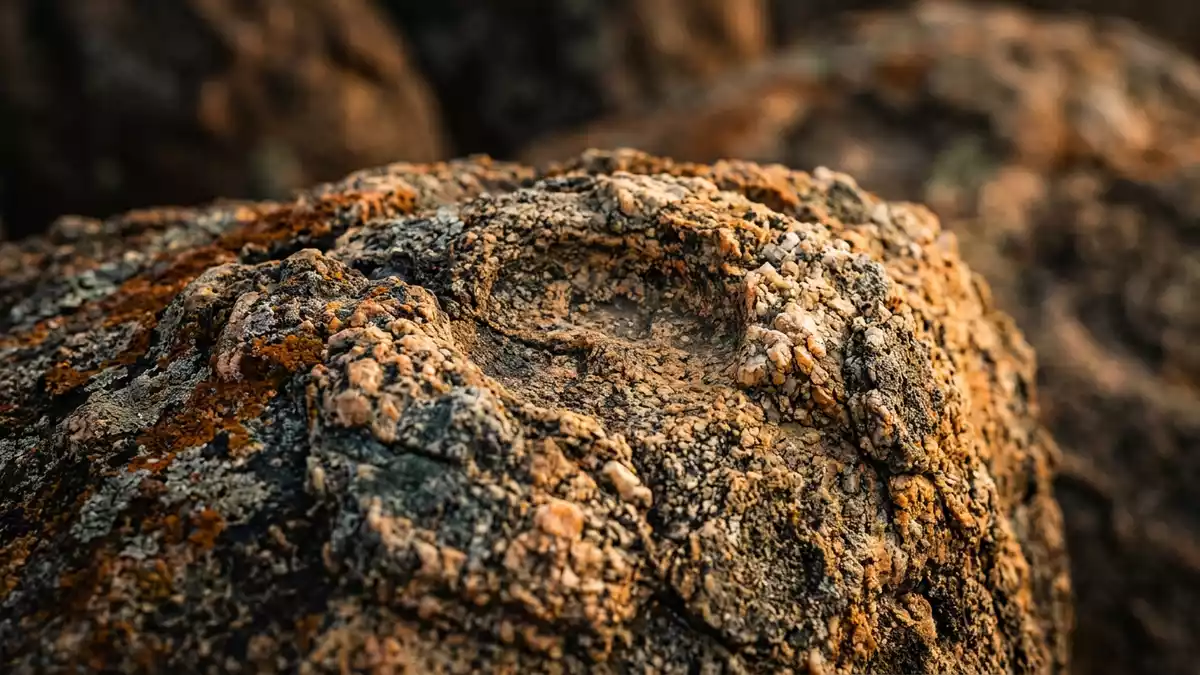
South of Bulawayo, the Matobo Hills spread across a high granite plateau where sculpted rock, painted caves and sacred shrines share the same landscape. This extensive cultural area in southern Zimbabwe is recognised as a UNESCO World Heritage Site, inscribed in 2003 for its combination of distinctive geology, long human presence and continuing spiritual traditions.
Granite kopjes and a sea of hills
The defining impression of Matobo Hills is geological. The area lies on a granite shield, where weathering has carved the rock into rounded domes, stacked boulders and isolated inselbergs that rise above the plateau in dense clusters.distinctive granite landforms Within the World Heritage landscape, rolling hills of rock form a near-continuous horizon, creating enclosed valleys and platforms between the outcrops.
The nominated Matobo site covers an area of around 2,050 km², lying some 35 km south of Bulawayo in south-western Zimbabwe.area of 2,050 km² south of Bulawayo Within this wider plateau sits Rhodes Matopos National Park, which protects part of the hills as a national park and forms one component of the cultural landscape.Rhodes Matopos National Park within the hills The granite itself is ancient, with some sources dating the formations to billions of years, and its slow erosion has produced boulders balanced on narrow points and weathered slopes that give the hills their distinctive profiles.
Rock art and a hundred millennia of human presence
People have occupied Matobo Hills for a very long time, using the rock shelters and caves that open onto the kopjes. Archaeological deposits from the Stone Age and Iron Age show a near-uninterrupted association between human societies and the granite landscape over tens of thousands of years.association between man and environment The most visible trace of that presence is rock art, painted directly onto the sheltered rock faces.
Matobo Hills has one of the highest concentrations of rock art sites in southern Africa, with thousands of recorded locations across caves, cliffs and boulders.one of the highest concentrations of rock art Some summaries speak of over 3,000 identified sites, while nomination documents record around 700 known locations containing large numbers of paintings, together approaching about 20,000 individual images.around 700 known sites and 20,000 paintings The oldest paintings are dated to at least 13,000 years ago and belong to hunter-gatherer communities active during the late Stone Age.
Belief, burials and a continuing cultural landscape
Matobo Hills is recognised as a cultural landscape under the World Heritage Convention, inscribed on cultural criteria (iii), (v) and (vi). These criteria emphasise both the outstanding rock art corpus and the interaction between communities and the landscape, manifested in religious traditions tied to the granite hills.inscription on criteria (iii), (v) and (vi) The hills are associated with the Mwari religion, an oracular belief system centred on Matobo that may date back to the Iron Age and remains significant in southern Africa.
The landscape also carries historical and political layers. Within the national park, World’s View forms an elevated point where graves of figures from the colonial period, including Cecil John Rhodes, occupy a prominent rocky platform overlooking the surrounding hills.World’s View with colonial graves Elsewhere, sites associated with Mzilikazi, the nineteenth-century founder of the Ndebele people, mark the hills as a place of memory linked to regional history and identity.resting place of Mzilikazi Together, shrines, graves and painted caves form layers of meaning that tie rock formations to belief and commemoration.
Visiting Matobo Hills: what travellers from Western Europe should know
- Matobo Hills lies to the south of Bulawayo in southern Zimbabwe, with access by road from the city into Rhodes Matopos National Park and the surrounding granite landscape.
- The terrain consists of granite hills and boulders, with paths and approaches that include uneven rock surfaces and slopes, and some viewpoints reached by short walks over stone.
- The hills form part of Matabeleland South, and travel within the area typically links Bulawayo with park entrances and nearby rural communities.
- The official language is English alongside indigenous languages, and the currency is the Zimbabwean dollar.
- Entry requirements depend on your nationality; UK travellers can check the FCDO travel advice at gov.uk/foreign-travel-advice, Irish travellers the Department of Foreign Affairs at ireland.ie.
Searching for Matobo Hills on social platforms
These links open searches for Matobo Hills on each platform.
Frequently asked questions about Matobo Hills
Where are Matobo Hills in relation to Bulawayo?
Matobo Hills lie in southern Zimbabwe, some distance south of Bulawayo on a granite plateau that forms part of Matabeleland South.
What should visitors expect when exploring the hills?
Visitors encounter a landscape of granite hills, rock shelters and caves, with paths over uneven stone, painted rock surfaces and viewpoints over a broad rocky horizon.
What makes Matobo Hills distinctive among African landscapes?
Matobo Hills combines an extensive granite landscape with a dense concentration of ancient rock art and sacred sites, recognised collectively as a UNESCO cultural landscape.


