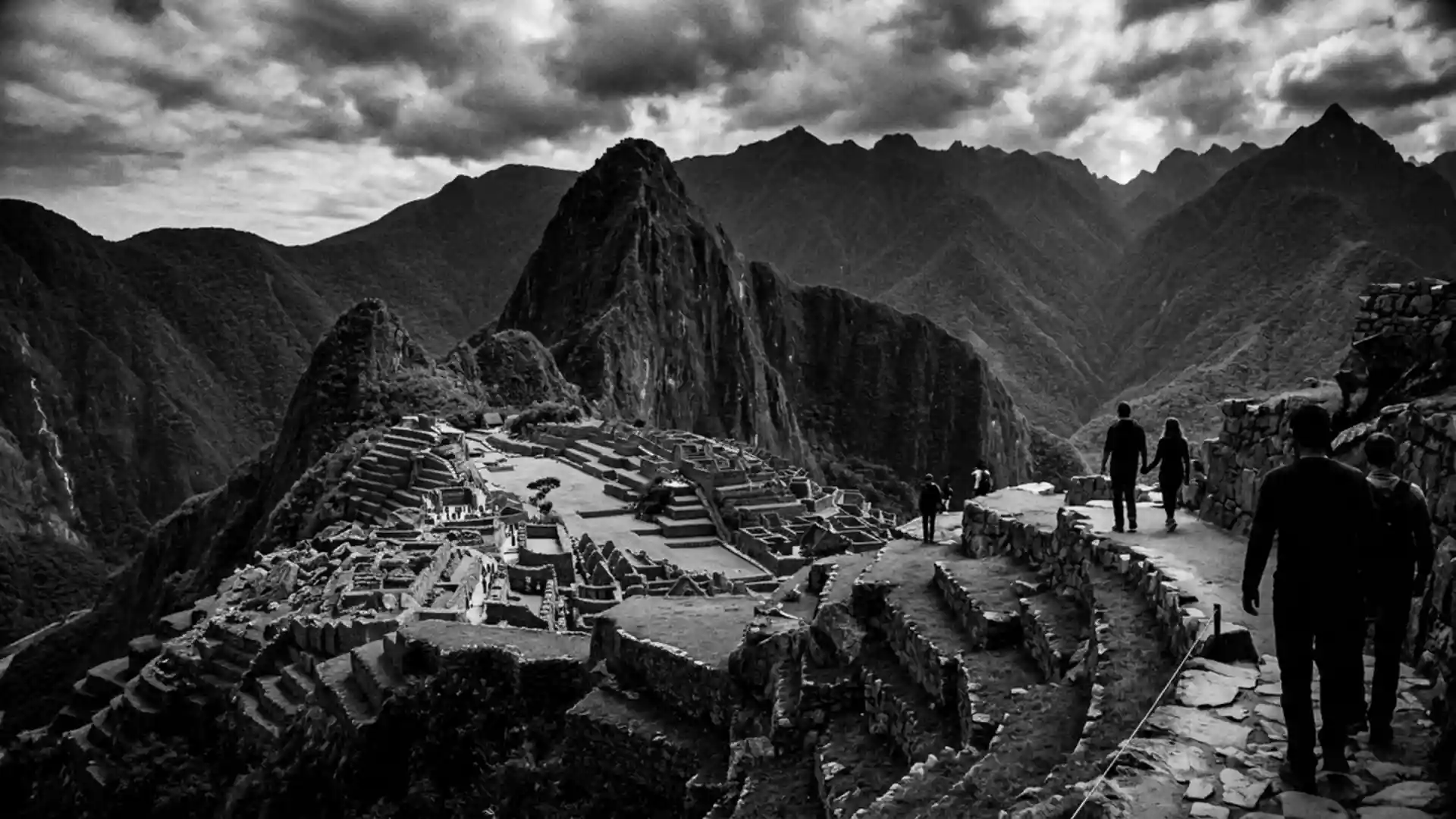
Machu Picchu’s stone terraces above the cloud forest
Published on 09/08/2026 at 16:22 | Editorial responsibility: Rafael Müller, Editor-in-Chief AD HOC NEWS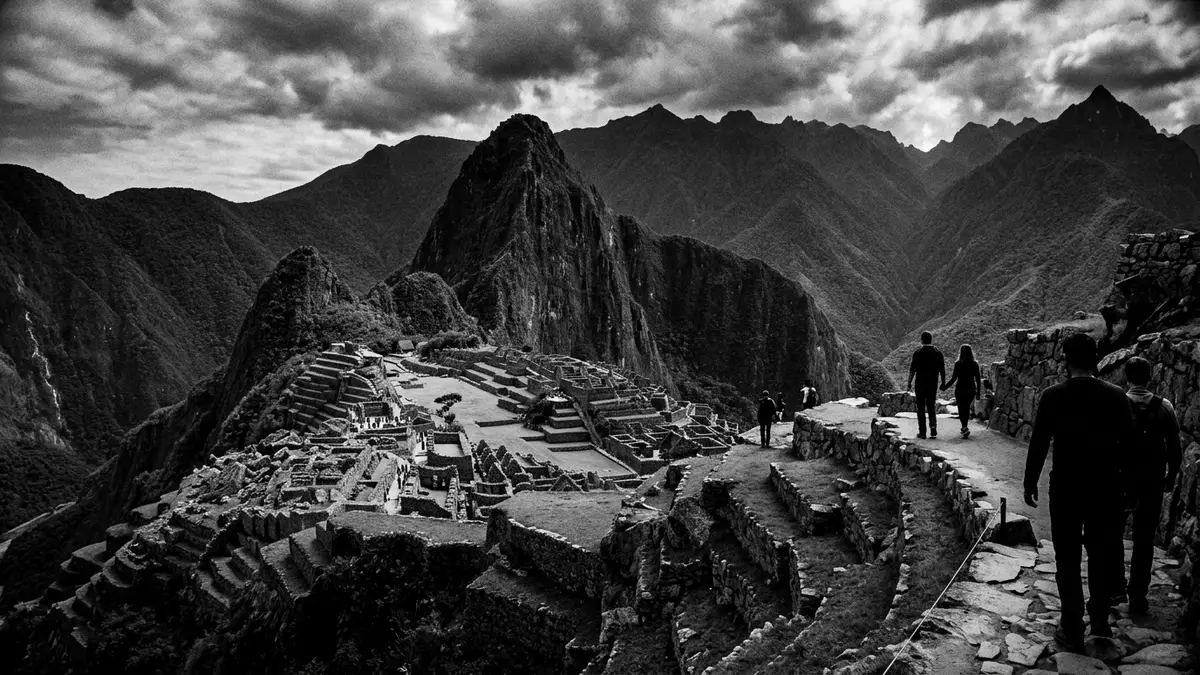
Machu Picchu crowns a mountain ridge above the small town of Aguas Calientes in southern Peru, where terraces and temples cling to a spur of the Andes. Built in the fifteenth century and sitting at around 2,430 m (7,970 ft), the Inca citadel pairs intricate stonework with steep green slopes and sweeping views across a deep river valley.
Inca stonework on a high ridge
Machu Picchu stands in the Eastern Cordillera of the Andes, in the Machupicchu District of Urubamba Province in southern Peru, above the Sacred Valley of the Urubamba River.Eastern Cordillera of the Andes The site lies on a saddle between two peaks, with agricultural terraces dropping away on long, stepped flanks and a compact urban sector gathered around plazas and temples. Dry?fitted granite blocks create walls with tight joints, and stairways climb between different levels of the settlement.
The citadel is part of the Historic Sanctuary of Machu Picchu, a protected area that covers more than 32,000 hectares of mountain slopes, peaks and valleys.Historic Sanctuary of Machu Picchu UNESCO inscribed this sanctuary as a mixed cultural and natural World Heritage Site in 1983, recognising both the archaeological remains and the surrounding cloud forest and cliffs.mixed cultural and natural World Heritage Site
A fifteenth?century citadel of Pachacuti
Machu Picchu dates to the fifteenth century and is associated with the rule of Pachacuti Inca Yupanqui, the ninth Inca emperor.dates to the fifteenth century Archaeological and historical studies place its construction and main occupation between about 1420 and the early sixteenth century, during the expansion of the Inca Empire across highland and lowland regions.construction and main occupation between about 1420 and the early sixteenth century The masonry style and urban layout match other imperial Inca centres from this period.
In 1981 the Peruvian state declared the area a National Historic Sanctuary, and in 1983 UNESCO added it to the World Heritage List as the Historic Sanctuary of Machu Picchu.National Historic Sanctuary The inscription covers both the stone citadel and its rugged setting between the Andes and the upper Amazon Basin, where steep ridges descend toward the Urubamba River and dense vegetation surrounds the archaeological terraces.between the Andes and the upper Amazon Basin
Terraces, temples and cloud?forest views
Visitors encounter two main sectors at Machu Picchu: the agricultural zone with its long terraces and the urban zone with temples, residences and storage buildings. The terraces trace the contours of the mountain, creating bands of masonry and earth that follow the ridge and provide broad platforms above the valley. In the urban sector, narrow lanes pass between stone houses, fountains and ceremonial structures set around open spaces.
The citadel stands at about 2,430 m (7,970 ft) above sea level on the eastern slope of the Vilcabamba mountain range, with steep drops toward the Urubamba River below.about 2,430 m (7,970 ft) above sea level From the upper terraces, lines of sight run across neighbouring peaks and down into a deep, forested canyon, giving a sense of how the citadel occupies a narrow ridge between mountains.
Visiting Machu Picchu: what travellers from Western Europe should know
- Machu Picchu lies in southern Peru in the Cusco Region, above the town of Aguas Calientes on a spur of the Vilcabamba range.
- The citadel stands at around 2,430 m (7,970 ft), so paths, stairways and terraces involve sustained walking on stone steps at high altitude.
- The site forms part of the Historic Sanctuary of Machu Picchu in the Urubamba Province of the Andes in southern Peru.
- The official language is Spanish and the currency is the Peruvian sol.
- Entry requirements depend on your nationality; UK travellers can check the FCDO travel advice at gov.uk/foreign-travel-advice, Irish travellers the Department of Foreign Affairs at ireland.ie.
Searching for Machu Picchu on social platforms
These links open searches for Machu Picchu on each platform.
Frequently asked questions about Machu Picchu
Where is Machu Picchu?
Machu Picchu is in southern Peru, in the Machupicchu District of Urubamba Province in the Cusco Region, above the town of Aguas Calientes.
What can visitors expect to see at Machu Picchu?
Visitors see agricultural terraces, stone houses, temples, fountains and plazas arranged on a steep mountain ridge with views toward surrounding peaks and the Urubamba valley.
What makes Machu Picchu distinctive among Inca sites?
Machu Picchu combines fifteenth?century imperial Inca stone architecture with an elevated setting between the Andes and the upper Amazon Basin, protected as the Historic Sanctuary of Machu Picchu.