
Machu Picchu and the stone ridge above Aguas Calientes
Published on 09/14/2026 at 18:21 | Editorial responsibility: Rafael Müller, Editor-in-Chief AD HOC NEWS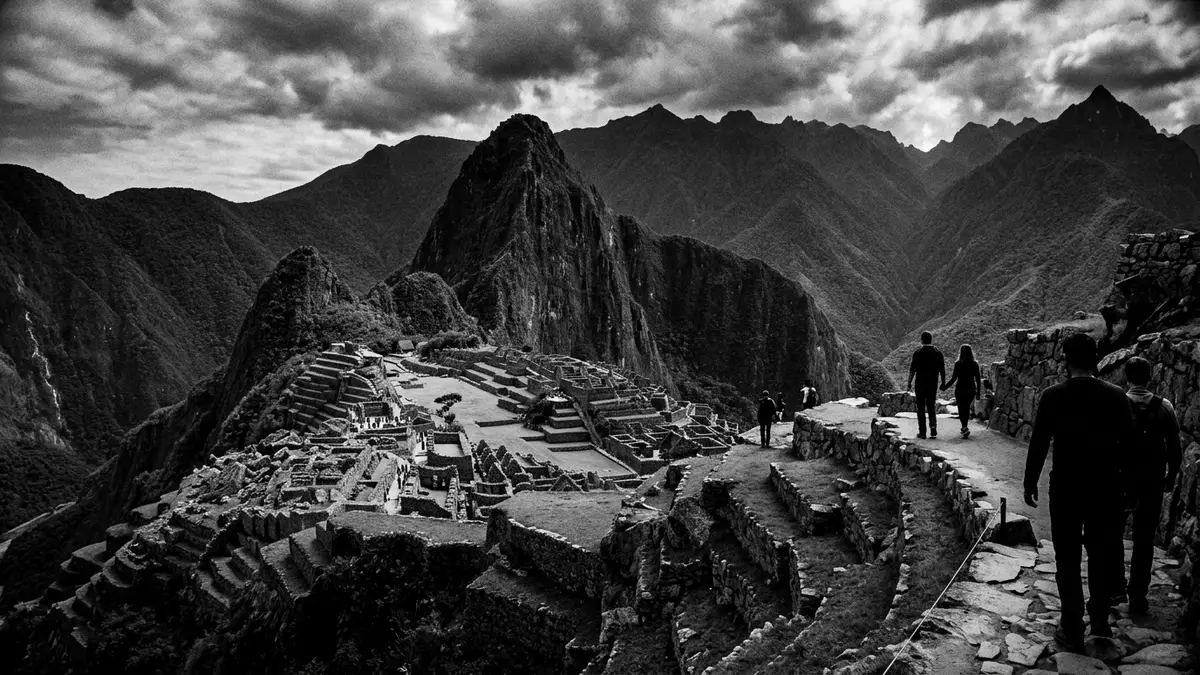
Machu Picchu rises above Aguas Calientes on a mountain ridge in southern Peru, with stonework, terraces and steep slopes packed into a compact site. It belongs to the fifteenth-century Inca world and is linked with Pachacuti and the Historic Sanctuary of Machu Picchu.
Stone walls on an Andean ridge
The core of Machu Picchu is a compact Inca settlement of dressed stone, terraces and stairways set between peaks and gullies. The site stands at about 2,430 m (7,972 ft) above sea level and was recognised as a UNESCO World Heritage Site in 1983.UNESCO World Heritage Site
The complex belongs to the reign of Pachacuti, the Inca ruler most closely associated with its construction. The place is also part of the wider Historic Sanctuary of Machu Picchu, a protected landscape that includes the archaeological monument and the surrounding slopes.Pachacuti
A citadel shaped by terraces and height
What stands out is the layering of the site. Agricultural terraces step across the hillside, while rectilinear buildings sit on stone foundations and narrow routes connect different levels.
The mountain setting is part of the place’s identity, with the eastern slopes of the Andes and the upper Amazon basin forming its wider frame. The sanctuary covers a broad protected area around the citadel, and the archaeological remains sit within that larger landscape.protected landscape
From royal estate to heritage landscape
Machu Picchu is tied to the Inca Empire at its height, when Pachacuti ruled in the fifteenth century. The site’s masonry, terraces and mountain location make it one of the clearest surviving examples of Inca planning and stone construction.Inca planning
Its later designation as a World Heritage Site places the archaeological complex within a broader cultural and natural setting. The sanctuary combines built remains with steep Andean terrain, forested slopes and the mountain ridge that carries the citadel.World Heritage Site
Visiting Machu Picchu: what travellers from Western Europe should know
- The site is reached from Aguas Calientes, the rail town below the monument. From there, visitors continue by mountain transport or on foot.
- The terrain includes stone steps, narrow passages and marked changes in level. The altitude is high enough to matter to many visitors.
- The surrounding sanctuary extends across slopes, peaks and valleys. The setting is mountainous rather than urban, and the architecture follows the ridge.
- The official language is Spanish and the currency is the Peruvian sol.
Searching for Machu Picchu on social platforms
These links open searches for Machu Picchu on each platform.
Frequently asked questions about Machu Picchu
Where is Machu Picchu?
Machu Picchu is in southern Peru, above Aguas Calientes in the Cusco region. It sits on a ridge in the Andes, within the Historic Sanctuary of Machu Picchu.
What does a visit involve?
The site combines stone architecture, terraces and steep ground. The setting includes steps, changes in level and a high-altitude mountain landscape.
What makes Machu Picchu distinctive?
Its identity lies in the relationship between Inca masonry and the ridge above the valley. The name is associated with Pachacuti, the fifteenth-century Inca ruler, and with UNESCO protection.


