Machu Picchu: an Inca city on a high Andean ridge
Published on 09/09/2026 at 22:22 | Editorial responsibility: Rafael Müller, Editor-in-Chief AD HOC NEWS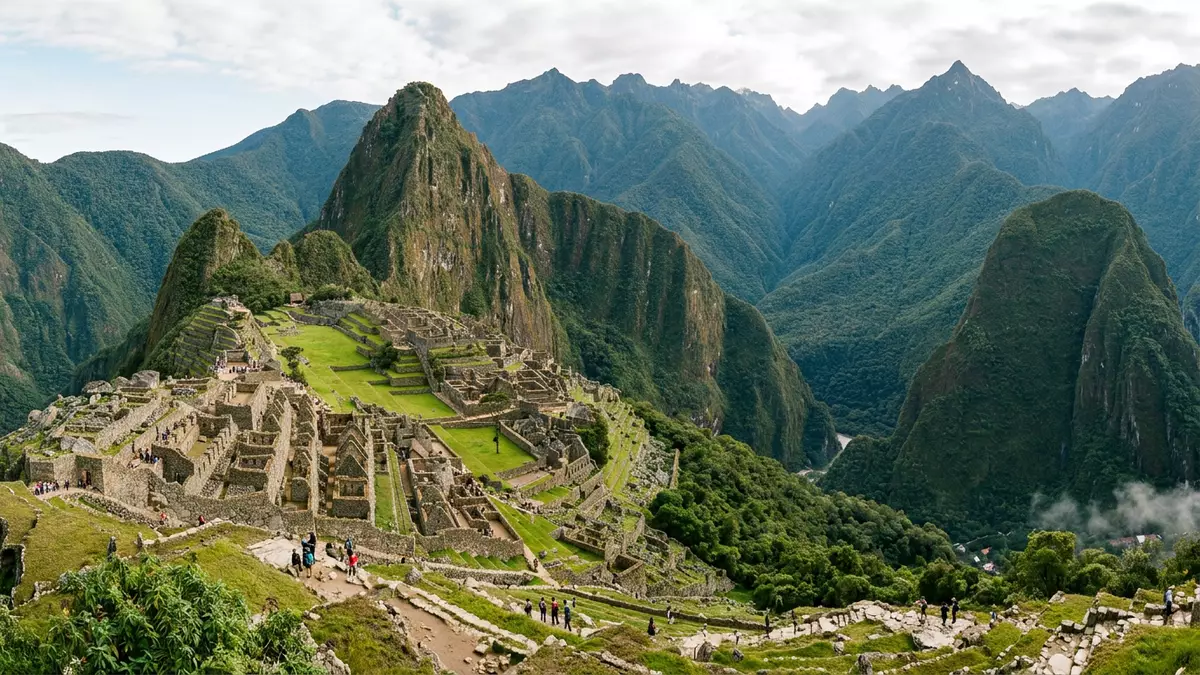
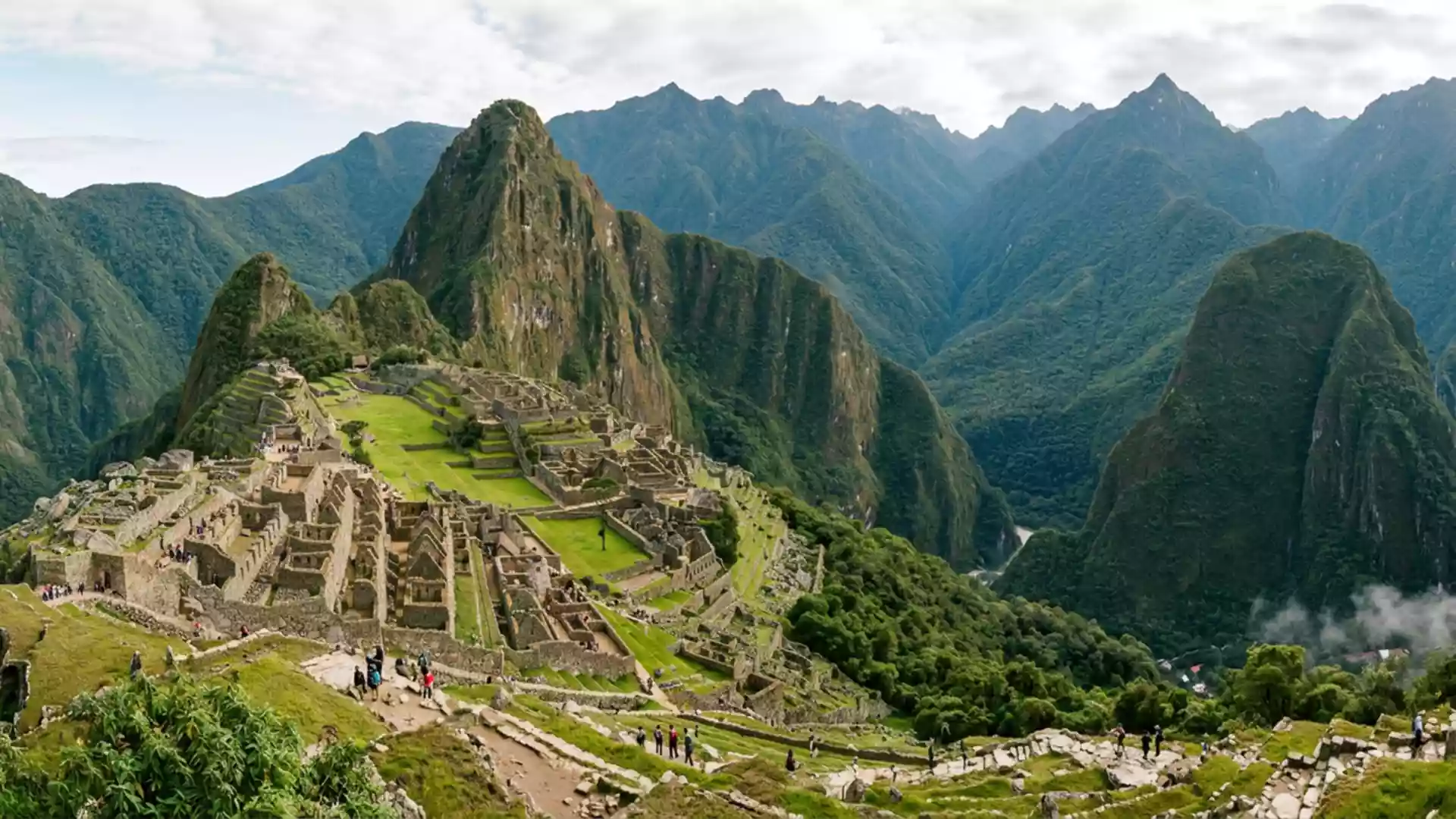
Machu Picchu is an Inca settlement on a narrow mountain ridge above the Urubamba valley in southern Peru, reached from the town of Aguas Calientes. Embedded in steep Andean slopes and dense cloud forest, the stone terraces and buildings appear wrapped around the contours of the mountain at about 2,430 m (7,972 ft) above sea level.2,430 m above sea level
Inca planning on a mountain saddle
The heart of Machu Picchu occupies a saddle between the main mountain and Huayna Picchu, with agricultural terraces stepping down towards the Urubamba river and a compact urban sector clustered near the top of the ridge.narrow ridge above the Rio Urubamba Dry?laid stone walls define houses, storage buildings and ritual spaces, built from blocks cut to fit so closely that mortar is largely absent.
The settlement is dated to the fifteenth century, during the expansion of the Inca Empire under Pachacuti Inca Yupanqui, whose reign marked a major phase of imperial building.built in the fifteenth century Within the site, broad terraces stabilise the slopes and provided land for cultivation, while a central plaza separates residential areas from finely finished ceremonial buildings such as the Temple of the Sun and structures near the Intihuatana stone.
A mixed cultural and natural sanctuary
The wider Historic Sanctuary of Machu Picchu covers tens of thousands of hectares of steep ridges, forest and river valleys, protecting both the archaeological remains and the surrounding ecosystems.Machu Picchu covers 32,500 ha The zone lies where the high Peruvian Andes meet the upper Amazon basin, creating sharp changes in altitude over short horizontal distances and views that drop from the ruins down to the Urubamba far below.meeting point between Andes and Amazon
Peru designated the area a National Historical Sanctuary in 1981, and in 1983 UNESCO inscribed the Historic Sanctuary of Machu Picchu on the World Heritage List as a mixed cultural and natural property.inscribed on the World Heritage List in 1983 The inscription recognises the site as a masterpiece of Inca architecture and land use and highlights the outstanding mountain landscape, vegetation and watercourses that frame the stone city.World Heritage site in 1983
Terraces, temples and viewpoints
Approaching the ruins, visitors first encounter long terraces running along the outer slopes, then pass into the urban sector with narrow lanes, stepped passages and roofless stone buildings. The finest masonry concentrates in religious and ceremonial structures, where blocks are cut and dressed with particular care, including around the curved outer wall of the Temple of the Sun.
Above the main ruins rise Huayna Picchu and Machu Picchu Mountain, both carrying footpaths and viewpoints over the city and the surrounding ranges.Machu Picchu Mountain at 3,082 m From these higher vantage points, the overall layout becomes clear: terraces on the flanks, a compact urban core on the saddle and towering peaks forming a backdrop in every direction.
Visiting Machu Picchu: what travellers from Western Europe should know
- Machu Picchu lies in the Cuzco region of southern Peru, above the town of Aguas Calientes (also called Machupicchu Pueblo), which serves as the usual rail and road gateway.
- The ruins occupy a steep mountain ridge, and moving through the site involves stone steps, uneven surfaces and significant changes in level at an altitude of around 2,430 m (7,972 ft).
- The official language is Spanish and the currency is the Peruvian sol.
- Entry requirements depend on your nationality; UK travellers can check the FCDO travel advice at gov.uk/foreign-travel-advice, Irish travellers the Department of Foreign Affairs at ireland.ie.
Searching for Machu Picchu on social platforms
These links open searches for Machu Picchu on each platform.Frequently asked questions about Machu Picchu
Where is Machu Picchu?
Machu Picchu stands on a ridge above the Urubamba valley in the Cuzco region of southern Peru, reached from the town of Aguas Calientes.
What should visitors expect on a visit?
A visit involves walking over stone terraces and through roofless Inca buildings on steep ground at high altitude, with wide views over surrounding mountains and forested slopes.
What makes Machu Picchu distinctive among Inca sites?
Machu Picchu combines finely worked imperial?period Inca architecture with an extensive terrace system in a dramatic mountain setting recognised as a mixed cultural and natural World Heritage sanctuary.