Maasai Mara National Reserve’s rolling grasslands and wild herds
Published on 08/21/2026 at 10:31 | Editorial responsibility: Rafael Müller, Editor-in-Chief AD HOC NEWS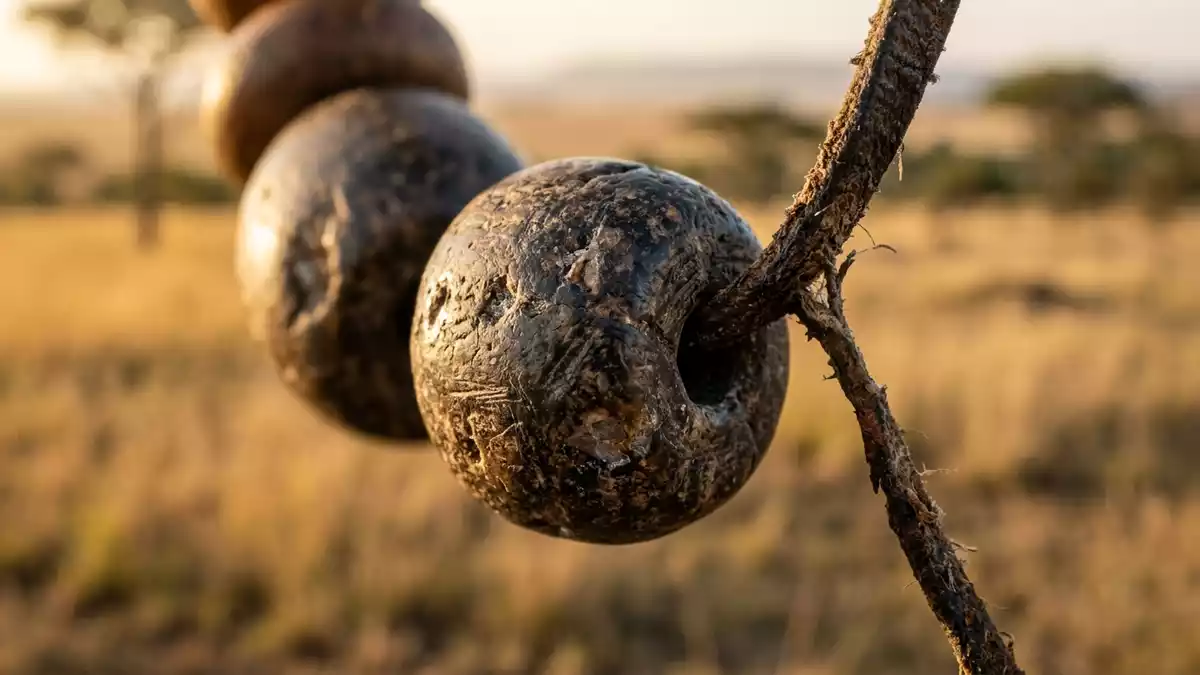
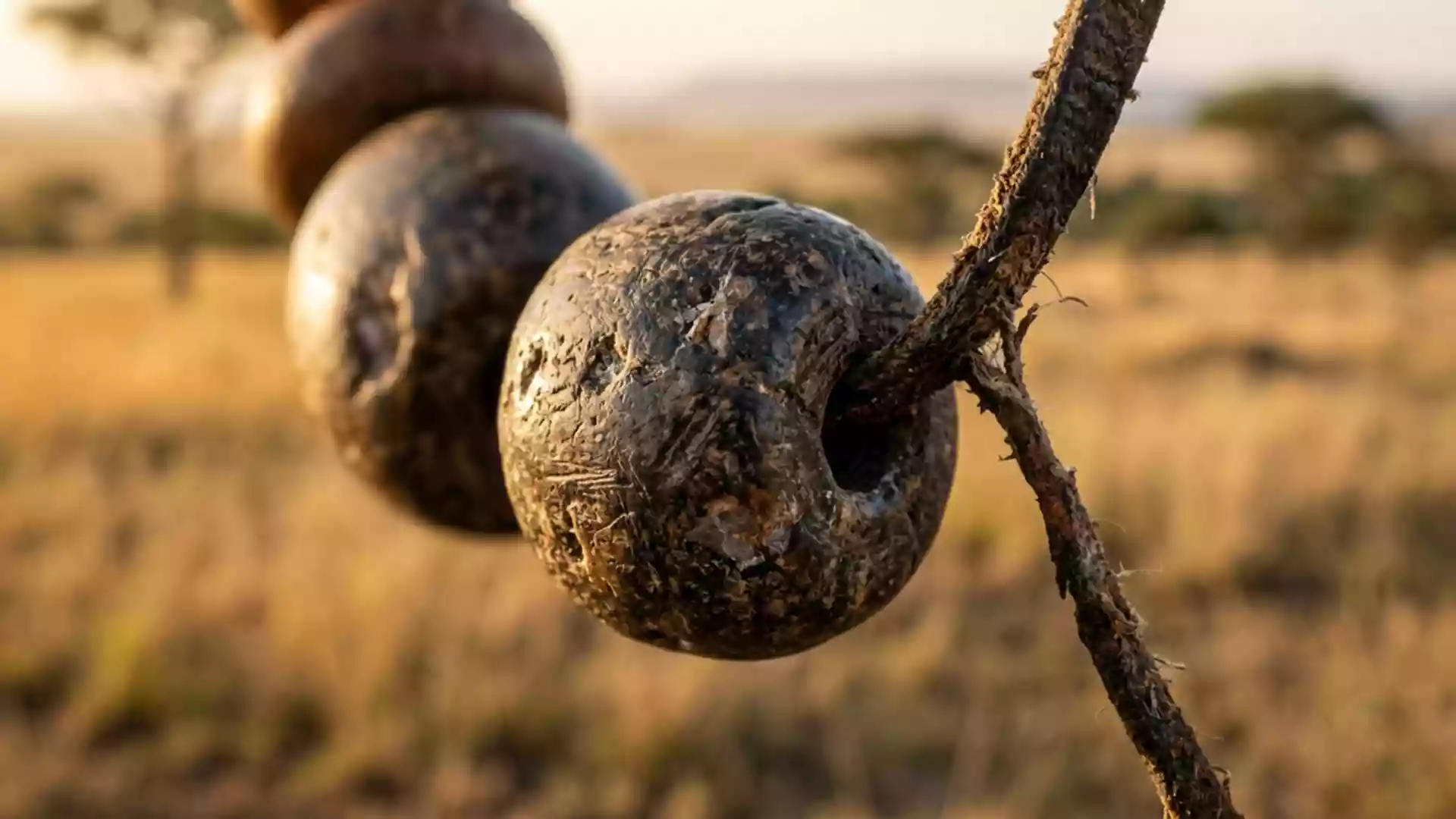
Maasai Mara National Reserve spreads across open grasslands in Narok County in south-western Kenya, where wide horizons and roaming herds define the landscape. Established as a protected area in the mid-twentieth century, it forms part of the larger Serengeti–Mara ecosystem along the border with Tanzania and remains a cornerstone of wildlife conservation in East Africa.
Grassland, rivers and the Great Rift Valley setting
Maasai Mara National Reserve lies within the Great Rift Valley region of Kenya, with gently undulating plains that stretch towards the border with Tanzania. The reserve covers about 1,510 km² (580 sq mi), an expanse of savannah and bushland that gives wildlife room to move and creates the wide vistas many visitors associate with the area.covers about 1,510 km²
The reserve is contiguous with Serengeti National Park across the Kenya–Tanzania border, forming a continuous block of protected land that supports long-distance wildlife movements across East Africa.contiguous with Serengeti National Park Within the reserve, the Mara and Talek rivers and their tributaries cut through the grasslands, creating corridors of riverine vegetation that contrast with the open plains and anchor many of the area’s most recognisable wildlife scenes.the Mara and Talek rivers
From sanctuary to national reserve
The origins of Maasai Mara National Reserve lie in a wildlife sanctuary declared in 1948 in the area known as the Mara Triangle, a section of land between the Siria Escarpment, the Mara River and the border with Tanzania.a wildlife sanctuary declared in 1948 In 1961 the protected area was expanded eastwards and formally established as a game reserve under the authority of the local council in Narok, reflecting the growing recognition of the region’s ecological importance.expanded eastwards and formally established as a game reserve
Boundary changes in the decades that followed brought the reserve to its present size of around 1,510 km², and in 1974 it was formally designated as Maasai Mara National Reserve.brought the reserve to its present size Administration lies with the County Government of Narok, and the reserve forms the core of the broader Greater Maasai Mara ecosystem, which includes community conservancies on surrounding Maasai lands where wildlife and pastoral livelihoods coexist.forms the core of the broader Greater Maasai Mara ecosystem
Wildlife, seasons and Maasai community lands
Maasai Mara National Reserve is part of the Greater Serengeti–Mara ecosystem, a transboundary landscape that supports large numbers of herbivores and the predators that follow them.Greater Serengeti–Mara ecosystem The grasslands and riverbanks provide habitat for animals such as wildebeest, zebra and antelope, while lions, leopards and other carnivores move through the same terrain, creating one of East Africa’s best-known wildlife viewing areas.high density of herbivores and predators
The reserve’s elevation ranges roughly between 1,500 m and 2,100 m above sea level, a height that shapes its climate and vegetation patterns.ranges roughly between 1,500 m and 2,100 m above sea level Rainfall varies across the reserve, with lower annual figures recorded towards the eastern sections and higher totals towards the west, helping to create a patchwork of habitats that support different plant communities and wildlife concentrations.rainfall varies across the reserve The reserve remains largely unfenced, and wildlife can move between the protected core and the Maasai community lands that surround it, linking conservation areas with long-established pastoral landscapes.largely unfenced
Visiting Maasai Mara National Reserve: what travellers from Western Europe should know
- Maasai Mara National Reserve lies in Narok County in south-western Kenya, and access by road is commonly arranged from Nairobi through the town of Narok.
- The reserve sits on gently rolling plains at elevations from about 1,500 m to over 2,000 m above sea level, and game-viewing tracks cross grassland and occasional muddy patches after rain.
- The official language is English and the national currency is the Kenyan shilling.
- Entry requirements depend on your nationality; UK travellers can check the FCDO travel advice at gov.uk/foreign-travel-advice, Irish travellers the Department of Foreign Affairs at ireland.ie.
Searching for Maasai Mara National Reserve on social platforms
These links open searches for Maasai Mara National Reserve on each platform.
Frequently asked questions about Maasai Mara National Reserve
Where is Maasai Mara National Reserve?
Maasai Mara National Reserve is in Narok County in south-western Kenya, within the Great Rift Valley region and along the border with Tanzania.
What can visitors expect on a visit?
Visitors encounter open grasslands crossed by rivers, with wildlife moving across the plains and along riverbanks in one of East Africa’s best-known conservation landscapes.
What makes Maasai Mara National Reserve distinctive?
The reserve’s combination of expansive savannah, shared boundary with Serengeti National Park and largely unfenced links to neighbouring Maasai community lands gives it a character closely tied to its wider ecosystem.