Longshan Si in Taipeh as a Minnan courtyard temple of devotion
Published on 09/14/2026 at 13:49 | Editorial responsibility: Rafael Müller, Editor-in-Chief AD HOC NEWS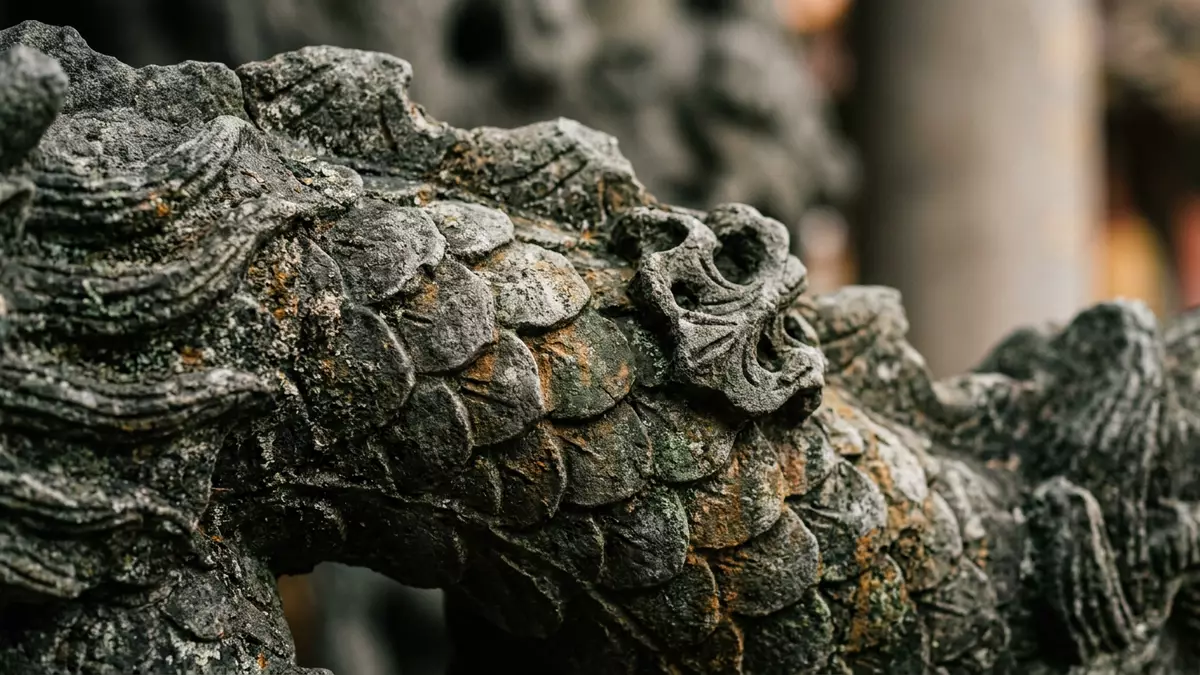
Longshan Si in Taipeh is a historic temple complex in the Wanhua district, laid out as a sequence of courtyards and halls that frame one of the city’s most atmospheric places of worship. Built under Qing rule in the eighteenth century and dedicated to the bodhisattva Guanyin, it remains a dense ensemble of carved roofs, incense altars and side shrines that make the fabric of Old Taipei tangible.
A Qing?era temple rooted in Fujian migration
Longshan Si stands in the Mengjia area of Wanhua, one of the oldest urban quarters of Taipei and a first centre of Han Chinese settlement on the Danshui River. The temple traces its origins to settlers from Fujian who funded construction in 1738 during the Qing Dynasty, establishing a counterpart to the Longshan temple in Jinjiang and carrying their devotion across the Taiwan Strait.built in 1738 In its early decades Longshan Si acted not only as a religious site but as a centre of local organisation for the Manka community, hosting meetings and defence groups alongside ritual life.centre of religion and self-governance
The complex has been repaired and rebuilt more than once after earthquakes, heavy rains and wartime damage, with a major reconstruction led by architect Wang Yi?shun in the early twentieth century.renovated under Wang Yi?shun The result is a temple whose present appearance reflects both eighteenth?century foundations and later artistry, and which has been recognised as a municipal?level historic site in Taipei.designated a municipal heritage site
Minnan courtyards, dragon pillars and tiled roofs
Architecturally, Longshan Si follows the traditional southern Fujian, or Minnan, temple type, arranged around courtyards that lead from the entrance into successively more enclosed halls.three?section temple layout The plan is structured in clear bands from front hall to central hall and rear hall, with covered walkways and side wings defining a square, inward?looking compound. Roofs are layered with ceramic tiles and exuberant ridge ornaments, including jian nian mosaics that depict dragons, phoenixes and scene compositions from legend.roof decorations and layout
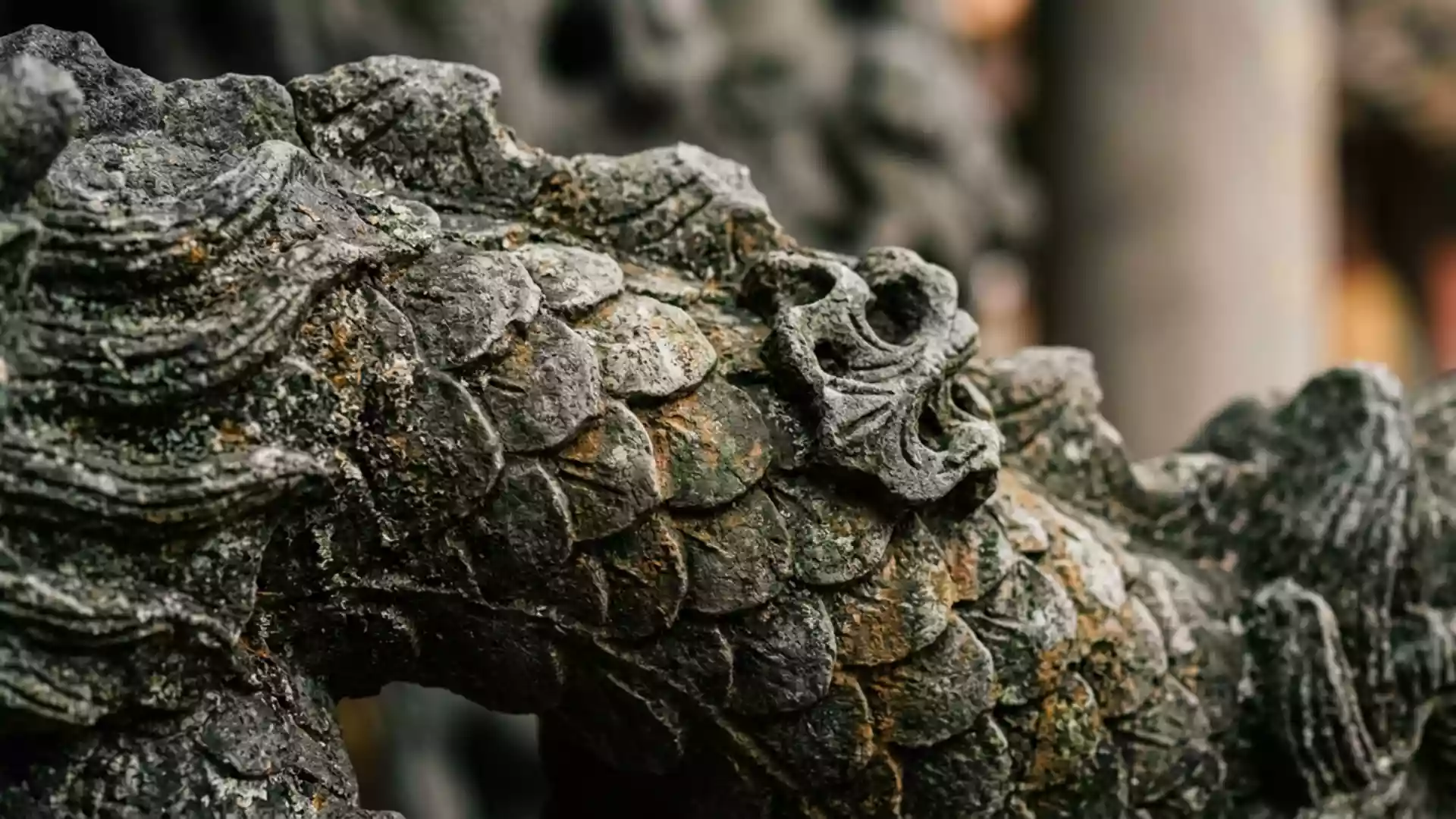
Longshan Si is particularly noted for its pair of bronze dragon pillars near the main hall, whose coiled forms and relief detail mark the threshold to the principal shrine.bronze dragon pillars Around them, carved wooden panels, painted beams and stone balustrades demonstrate the craftsmanship of temple builders from southern Fujian, and the reconstruction works in 1919–1924 preserved this vocabulary while renewing the structure.reconstruction in 1919–1924 The overall impression is of a courtyard temple where architecture, sculpture and ornament fuse into a continuous surface of detail.
Guanyin at the centre of a layered pantheon
The main hall of Longshan Si is dedicated to Guanyin, also known in Sanskrit as Avalokiteshvara, the bodhisattva of compassion whose statue was brought from Jinjiang Longshan Temple in Fujian.dedicated to Guanyin Around the central shrine, altars and side chapels house a wide range of other deities from Buddhist, Taoist and folk traditions, reflecting the plural character of religious practice in Taiwan.Buddhist and Taoist worship The courtyards accommodate incense burners, offering tables and lanterns, so that worshippers circulate between open air and covered spaces as part of the ritual flow.
Longshan Si has endured earthquakes, storms and wartime bombing, with the main hall suffering damage in 1945 before being rebuilt in the mid?twentieth century.bombing and rebuilding These episodes have left the temple with a layered material history: foundations dating to the 1730s, structural elements from the 1920s reconstruction and details renewed after the Second World War. Its designation as a historic site recognises not just age but the way successive rebuilds kept the Minnan courtyard form intact while adapting it to changing circumstances.historic temple compound
Visiting Longshan Si: what travellers from Western Europe should know
- Longshan Si stands on Guangzhou Street in the Wanhua district of Taipei, in the historic Mengjia quarter south-west of the city’s main railway station.
- The temple complex is arranged around paved courtyards with altars and incense burners, and moving between the halls involves stair steps and uneven stone floors.
- The official language is Chinese and the currency is the New Taiwan dollar.
- Nearby streets contain traditional shops and markets, and the Danshui River runs to the west of Wanhua, giving the area a close relationship with Taipei’s early river trade.
- Entry requirements depend on your nationality; UK travellers can check the FCDO travel advice at gov.uk/foreign-travel-advice, Irish travellers the Department of Foreign Affairs at ireland.ie.
Searching for Longshan Si on social platforms
These links open searches for Longshan Si on each platform.Frequently asked questions about Longshan Si
Where is Longshan Si located in Taipeh?
Longshan Si stands in the Wanhua district of Taipei, in the historic Mengjia area near Guangzhou Street and the Danshui River.
What can visitors expect inside the temple complex?
Visitors encounter successive courtyards leading to richly decorated halls, with altars, incense burners, carved dragon pillars and shrines dedicated to Guanyin and other deities.
What makes Longshan Si distinctive among Taipeh’s temples?
Its eighteenth?century origins, Minnan courtyard layout, bronze dragon pillars and layered history of reconstruction give Longshan Si a particularly dense architectural and devotional character.