
Longshan Si in Taipeh and its layered temple courtyards
Published on 09/22/2026 at 17:02 | Editorial responsibility: Rafael Müller, Editor-in-Chief AD HOC NEWS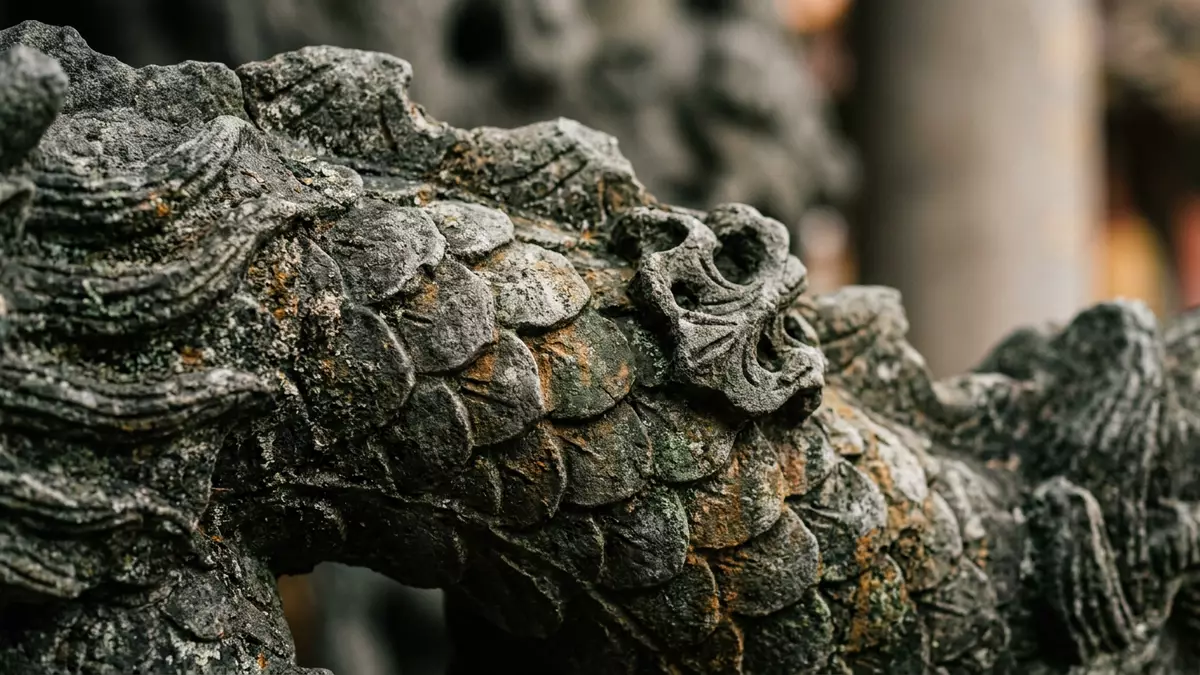
Longshan Si in Taipeh is a temple of courtyards, carved roofs and layered religious traditions. Founded in 1738 by Han Chinese settlers from Fujian during Qing rule, it remains a major landmark of Wanhua.
Longshan Si begins with Guanyin and Fujian
The temple stands on Guangzhou Street in Wanhua, the historic district also known as Mengjia or Bangka. Its name comes from Longshan Temple in Jinjiang, Fujian, where the settlers’ religious tradition began.
The principal Buddhist figure is Guanyin, also called Avalokiteshvara, the bodhisattva of compassion. The shrine was connected with a sacred image brought from Jinjiang Longshan Temple, giving the Taipei temple a direct link with southern Fujian culture. The temple’s Fujian connection remains part of its identity.
A southern Fujian temple made of courtyards
Longshan Si follows the southern Fujian, or Minnan, temple tradition. Open courtyards connect halls along a clear sequence, while roof ridges carry colourful ceramic decoration and carved ornament.
Stone pillars, timber elements, painted surfaces and ceramic figures appear throughout the complex. The roofs form a strong visual profile above the courtyards, with dragons, birds and other crafted details set against the dark roof tiles.
The building seen in Taipeh is not simply an untouched eighteenth-century structure. Reconstruction shaped the complex in the twentieth century, with work beginning in 1919 and completion in 1924. The twentieth-century rebuilding forms an important part of its architectural history.
Religion, community and historic Wanhua
Longshan Si served religious life and community organisation in Mengjia. Its halls provided a setting for worship, meetings and local deliberation during the Qing period.
The temple’s importance is also recorded through its protected status. Taipei designated Longshan Temple an official historical site on 19 August 1985, placing its architecture and cultural role within the city’s heritage landscape.
Longshan Si brings several layers of Taiwanese religious practice together. Guanyin remains central, while additional Buddhist and Taoist figures occupy other parts of the complex. This combination gives the temple a broader religious character than its principal dedication alone suggests.
Visiting Longshan Si: what travellers from Western Europe should know
- Longshan Si stands at No. 211 Guangzhou Street in Wanhua, south-west of Taipeh’s central districts. The Longshan Temple metro station provides direct local transport access.
- The complex is organised around open courtyards and halls. Visitors move between covered and open sections, with stone thresholds, roofed passages and temple steps forming the route.
- The official language is Mandarin Chinese and the currency is the New Taiwan dollar.
- Wanhua contains historic streets and traditional commercial areas around Longshan Si. The temple is also close to the Tamsui River district.
Searching for Longshan Si on social platforms
These links open searches for Longshan Si on each platform.
Frequently asked questions about Longshan Si
Where is Longshan Si?
Longshan Si is on Guangzhou Street in Wanhua, Taipeh. The district is also known by its historic names Mengjia and Bangka.
What can visitors expect at the temple?
Visitors encounter a sequence of courtyards and halls with carved stone, timber details, painted surfaces and decorated roof ridges. The complex remains a place of religious activity.
What makes Longshan Si distinctive?
Its identity combines a 1738 foundation, Guanyin devotion and southern Fujian temple architecture. The twentieth-century rebuilding adds another visible layer to the complex.


