
Longshan Si and the layered temple form of Taipeh
Published on 08/16/2026 at 13:55 | Editorial responsibility: Rafael Müller, Editor-in-Chief AD HOC NEWS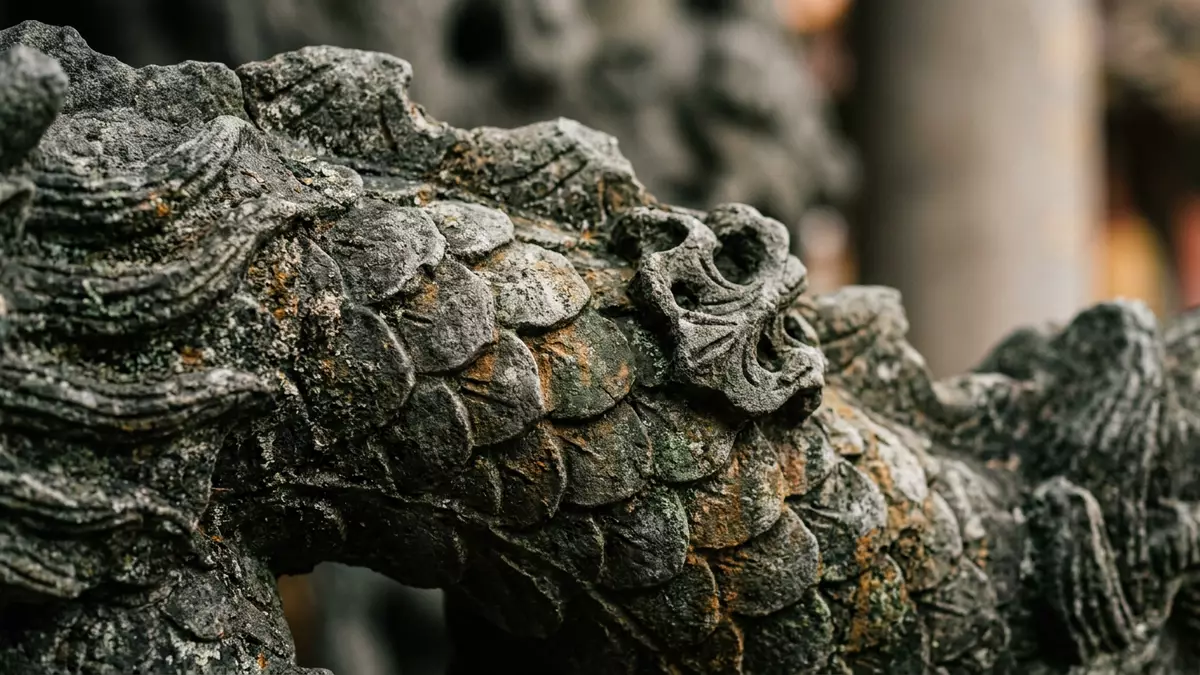
Longshan Si in Taipeh is a Qing-dynasty temple whose layered halls, bronze dragon columns and carved ceilings make its structure easy to read at a glance. Established in 1738, it still centres the Wanhua district’s religious landscape and carries the name of an older Fujian temple.
Qing origins and temple form in Longshan Si
The temple began in the eighteenth century under the reign of the Qianlong Emperor, with a date of 1738 attached to its founding. Its present ensemble includes front, main and rear halls, with wings enclosing the sides in the traditional temple compound layout. Established in 1738 is the firmest marker for its early history.
Longshan Si is dedicated to Guanyin, and its religious life combines Buddhist, Taoist and folk practice. That mixture appears in the halls and in the arrangement of shrines, where the temple’s devotional roles are shared across several traditions.
Carved ceilings, columns and later rebuilding
Inside the temple, the front hall has an octagonal ceiling, while the main hall carries a circular ceiling. The bronze dragon columns stand among the best-known structural details, and they give the entrance a strong vertical emphasis. bronze dragon columns and a main hall reconstruction help anchor the building’s later form.
Wang Yi-shun directed a renovation in 1920, and the temple took on much of its current appearance through that work and later repairs. The decorative language includes stone, wood and bronze, with roofline details and carved surfaces that sit close together across the compound.
Longshan Si as a civic and devotional centre
Longshan Si served as a centre of religion, self-governance and self-defence in Mengjia. That older civic role remains visible in the temple’s scale and in the density of its ornament, which gives the building a public face as well as a devotional one. centre of faith and self-defence centre are the historical roles most closely tied to the site.
The temple’s devotion extends beyond a single deity. Guanyin stands at the centre, while other figures from Buddhist and folk belief appear throughout the complex, giving the site a layered religious identity rather than a single narrow focus.
Visiting Longshan Si: what travellers from Western Europe should know
- Longshan Si stands in Wanhua District, Taipeh, at No. 211, Guangzhou Street. Metro access is by Longshan Temple station.
- The temple compound contains steps, stone paving and enclosed halls. The main visual emphasis lies in the carved fronts, the rooflines and the bronze pillars.
- The temple is in a dense urban district with traditional streets around it. Herb shops and other religious businesses remain part of the surrounding streetscape.
- The official language is Mandarin Chinese and the currency is the New Taiwan dollar.
Searching for Longshan Si on social platforms
These links open searches for Longshan Si on each platform.
Frequently asked questions about Longshan Si
Where is Longshan Si?
It stands in Wanhua District in Taipeh, with the address on Guangzhou Street. The temple is part of the older Mengjia area of the city.
What does a visit reveal?
The temple presents a compact compound of halls, wings and roofed towers. Its most visible features are the bronze columns, carved ceilings and dense painted and sculpted ornament.
What makes Longshan Si distinctive?
Its mixture of Buddhist, Taoist and folk worship gives it a layered religious identity. The 1738 foundation and the 1920 renovation are part of the building’s lasting historical profile.


