
Longji Rice Terraces set for harvest on 1 November
Published on 10/04/2026 at 03:02 | Editorial responsibility: Rafael Müller, Editor-in-Chief AD HOC NEWS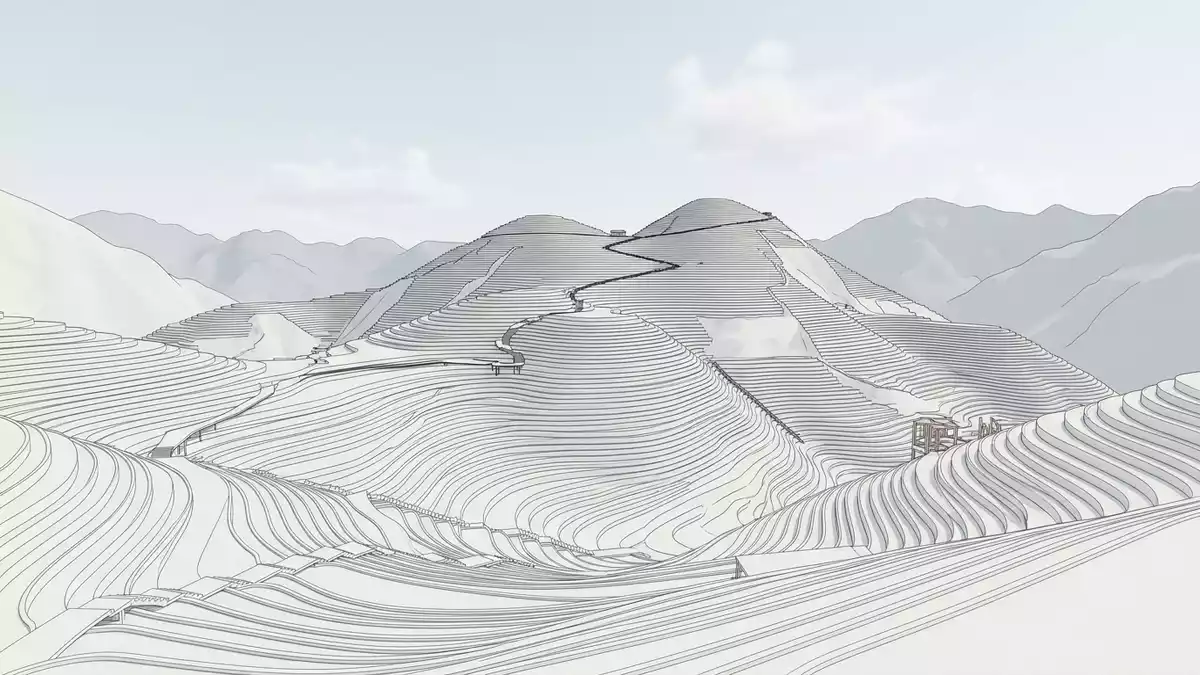
Longji Rice Terraces are scheduled to begin their 2026 harvest on 1 November, giving visitors to Guilin a fixed date for the next stage of the mountain landscape. The scenic area near Longsheng is formed by rice fields climbing the slopes of Longji Mountain.
Longji Rice Terraces publish 1 November harvest date
The scenic area's operator published its 2026 rice harvest timetable on 10 September. It lists 1 November for the Jinkeng Dazhai terraces, one of the main sections of the attraction, and says the information is intended to help visitors plan autumn trips.
The announcement turns a seasonal change into a specific travel date. Until harvesting begins, visitors can see rice maturing across the stepped fields; from 1 November, the appearance of the Jinkeng Dazhai section will begin to change as the crop is cut. The operator's 2026 harvest timetable names the scenic area and the date on the same page.
Harvest date follows centuries of terrace farming
The terraces lie in Longsheng County within Guilin, China. They include the Ping'an Rice Terraces and the Jinkeng Dazhai Rice Terraces, with fields built along the mountain slope from the riverside towards the upper ridges.
Local descriptions place the first construction in the Yuan Dynasty, from 1271 to 1368, with completion in the Qing Dynasty, from 1644 to 1912. The landscape changes through the year: water-filled fields appear in spring, green rice dominates summer, and the ripening crop turns the slopes golden before the autumn harvest. The documented background on the terraces and their seasonal cycle links the November date to an agricultural landscape rather than a temporary stage set.
Jinkeng Dazhai gives the November date a clear focus
Jinkeng Dazhai is one of the named areas within the wider attraction. Its inclusion in the timetable gives travellers a precise section to consider when planning a visit around the harvest, instead of relying only on broad autumn colour forecasts.
The terraces are working agricultural land as well as a visitor attraction. Their stepped paddies follow the contours of the mountains, while paths and viewpoints allow visitors to see the relationship between the villages, fields and ridges. The harvest date therefore marks a change in what visitors will find across the landscape, not a new exhibition or a separate ticketed show.
Visiting Longji Rice Terraces: what travellers from Western Europe should know
- The 2026 harvest at Jinkeng Dazhai is scheduled to begin on 1 November at the Longji Rice Terraces.
- The date concerns harvesting in the scenic area. The operator's timetable is intended to help visitors plan autumn viewing, but it does not announce a separate performance or special opening.
- From Guilin, the published route uses Qintan Bus Station to reach Longsheng Bus Station, followed by a connecting bus to the terraces.
- The terrain consists of stepped rice fields on mountain slopes. Visitors can hike through the terraces or take a cable car from the foot of the mountain, according to the travel information page.
- China's official language is Mandarin Chinese and its national currency is the renminbi.
- Entry requirements depend on your nationality; UK travellers can check the FCDO travel advice at gov.uk/foreign-travel-advice, Irish travellers the Department of Foreign Affairs at ireland.ie.
Searching for Longji Rice Terraces on social platforms
These links open searches for Longji Rice Terraces on each platform.
Frequently asked questions about Longji Rice Terraces
When does the 2026 harvest take place at Longji Rice Terraces?
The scenic area's timetable lists 1 November 2026 as the start of harvesting at Jinkeng Dazhai.
Where are Longji Rice Terraces and how do you get there?
The terraces are in Longsheng County within Guilin, China. The published route runs from Guilin's Qintan Bus Station to Longsheng, followed by a connecting bus.
What are Longji Rice Terraces?
They are stepped rice fields on Longji Mountain, including the Ping'an and Jinkeng Dazhai sections. The landscape was built over successive historical periods and changes appearance with the farming calendar.


