
Lineas de Nazca, the vast geoglyph landscape of southern Peru
Published on 08/30/2026 at 11:11 | Editorial responsibility: Rafael Müller, Editor-in-Chief AD HOC NEWS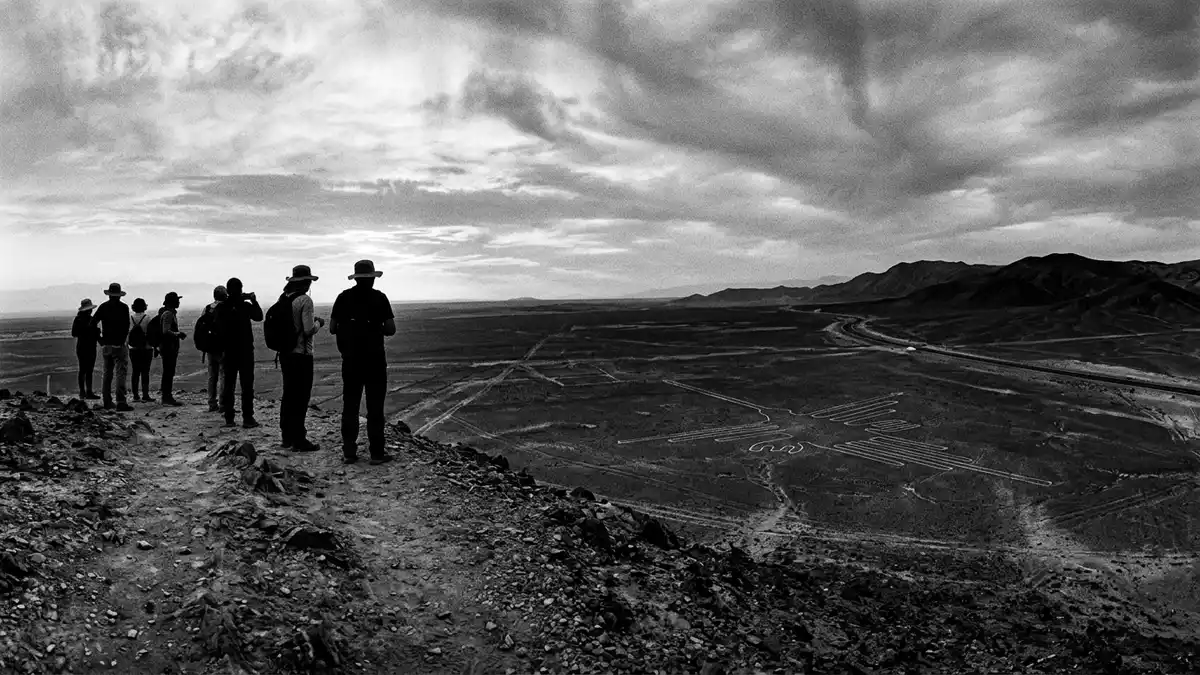
Lineas de Nazca, better known in English as the Nazca Lines, form an immense field of ancient geoglyphs etched into the desert plateau near Nazca in southern Peru. Spanning hundreds of square kilometres between Nazca and Palpa, these lines and figures were created by pre-Hispanic societies between around 500 BC and AD 500 and are recognised as a UNESCO World Heritage Site for their extraordinary scale and cultural significance. The plateau lies several hundred kilometres south of Lima within the Ica Region and presents a stark, ochre landscape where earth and sky meet with few distractions.
An ancient canvas of lines, figures and desert
The defining feature of Lineas de Nazca is the sheer quantity and variety of designs carved into the desert floor. Archaeological surveys describe nearly 1,200 geoglyphs, including hundreds of straight lines, geometric patterns and dozens of animal and plant figures distributed across about 175 square miles of plateau in the Pampa Colorada and adjacent pampas.nearly 1,200 geoglyphs From ground level many of the markings blend into the landscape, only resolving into clear forms when seen from elevated viewpoints or aircraft.
The basic technique behind the Nazca Lines is deceptively simple. Builders removed the dark, sun-baked surface stones and topsoil to expose the paler material beneath, drawing long sweeps and shapes that stand out against the surrounding desert.geoglyphs made by removing rocks NASA imagery and fieldwork indicate that the plateau receives very little rain or wind, which helps these shallow incisions remain visible over centuries.little rain or wind on the plain The overall effect is that of a vast open-air gallery laid directly onto the land, with straight lines running for many kilometres and figures ranging from smaller motifs to shapes several hundred metres across.
Paracas and Nazca cultures and a protected World Heritage landscape
The story of Lineas de Nazca stretches back more than two millennia. Research distinguishes at least two main phases of creation: an earlier Paracas phase beginning around 400 BC and a Nazca phase extending from roughly 200 BC to AD 500.Paracas and Nazca phases The lines therefore belong to a wider sequence of Andean coastal cultures that were shaping this region long before the rise of the Inca, embedding visual symbols into the ground as part of their ritual and social life.
In recognition of their importance, the Lines and Geoglyphs of Nasca and Pampas de Jumana were inscribed on the UNESCO World Heritage List in 1994.inscribed on the World Heritage List in 1994 The protected area extends across tens of thousands of hectares of desert plain in the Nasca and Palpa provinces, encompassing multiple pampas and low foothills where geoglyphs appear on both flat ground and gentle slopes.provinces of Nasca and Palpa The plateau’s dryness and absence of dense vegetation contribute to the clarity of the lines, while legal protections restrict vehicle access and construction across the core zone.
Visiting the desert plateau near Nazca
For travellers based in Western Europe, Lineas de Nazca are reached through the town of Nazca on the Peruvian south coast. Nazca lies along the Pan-American Highway, which runs south from Lima through the Ica Region towards the plateau where the geoglyphs begin.Nazca along the Pan-American Highway The lines themselves stretch between Nazca and Palpa across the Pampa Colorada and nearby pampas, so flights and viewpoints focus on selected sections of this broader landscape rather than a single enclosed site.
The terrain of the Nazca plateau is open desert with minimal shade and little vegetation, consisting of wind-exposed gravel, compacted earth and gentle undulations rather than steep mountain ridges.broad plateau within the coastal desert zone Approaches to official viewpoints involve standing on metal towers or platforms above the highway and walking short distances over firm, dust-covered ground. The region lies at moderate elevation compared with the high Andes, but sun exposure on the plateau can be intense. The official language is Spanish and the currency is the Peruvian sol.
Visiting Lineas de Nazca: what travellers from Western Europe should know
- Lineas de Nazca lie near the town of Nazca in southern Peru, with the Pan-American Highway crossing the desert plains between Nazca and Palpa where many geoglyphs are visible.
- The plateau consists of hard desert ground with scattered stones and gentle gradients, so visiting viewpoints involves short walks over uneven, dusty surfaces and climbing metal towers or platforms.
- Nazca forms the main access hub for the surrounding geoglyph landscape in the Ica Region, and the adjacent plains stretch for many kilometres across exposed desert with limited natural shade.
- The official language is Spanish and the currency is the Peruvian sol.
- Entry requirements depend on your nationality; UK travellers can check the FCDO travel advice at gov.uk/foreign-travel-advice, Irish travellers the Department of Foreign Affairs at ireland.ie.
Searching for Lineas de Nazca on social platforms
These links open searches for Lineas de Nazca on each platform.
Frequently asked questions about Lineas de Nazca
Where are Lineas de Nazca located?
Lineas de Nazca occupy desert plains in the Ica Region of southern Peru, stretching between Nazca and Palpa some 400 km south of Lima along the coastal plateau.
What should visitors expect on a visit?
Visitors encounter an arid plateau of gravel and compacted earth with long straight lines and large figures etched into the ground, viewed from roadside towers or from the air.
What makes Lineas de Nazca distinctive among archaeological sites?
The Nazca Lines stand out for the combination of thousands of large-scale geoglyphs, their preservation in a dry desert environment and their inscription as a UNESCO World Heritage cultural landscape.


