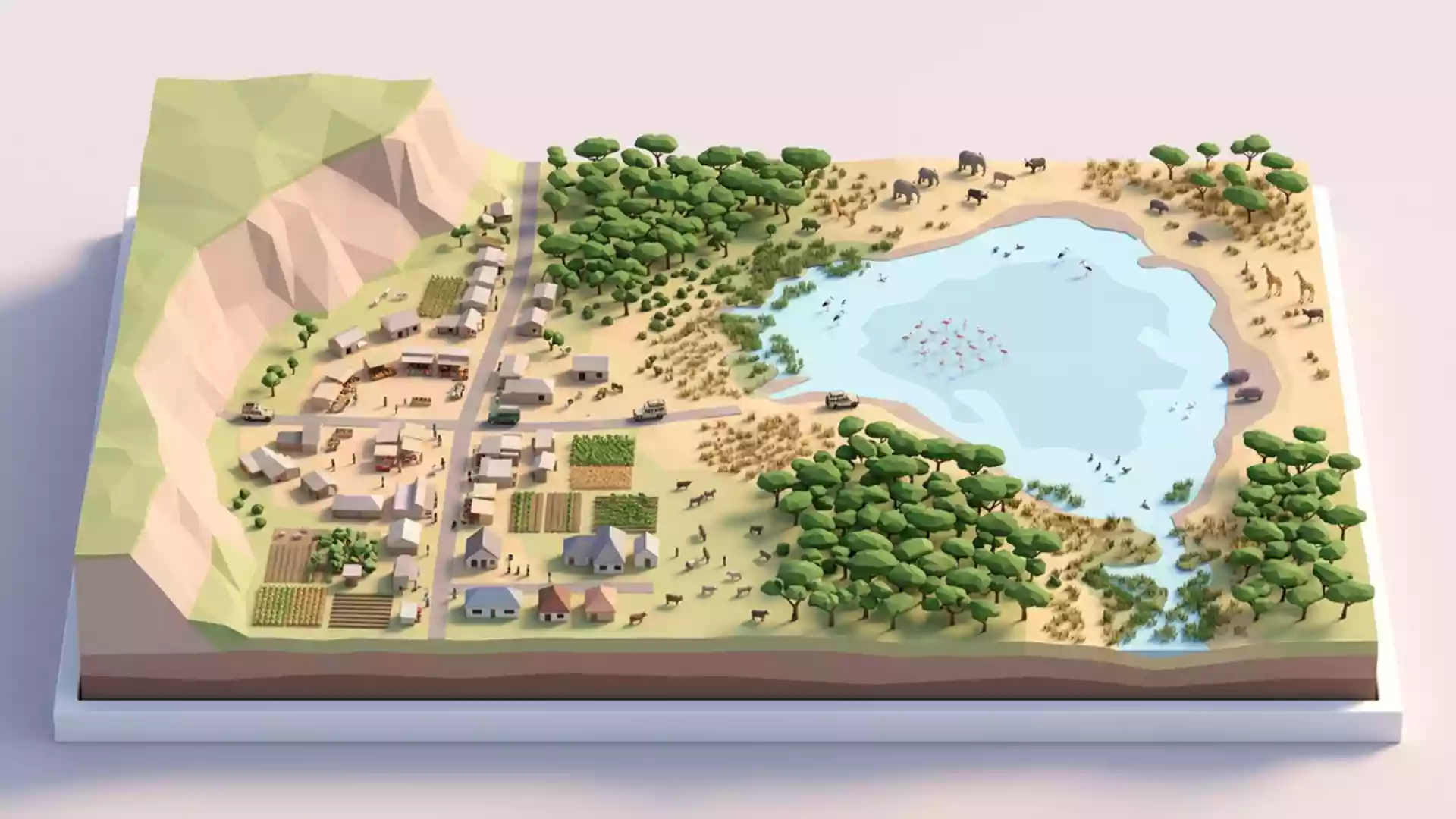
Lake Manyara National Park between lake and escarpment
Published on 08/19/2026 at 18:50 | Editorial responsibility: Rafael Müller, Editor-in-Chief AD HOC NEWS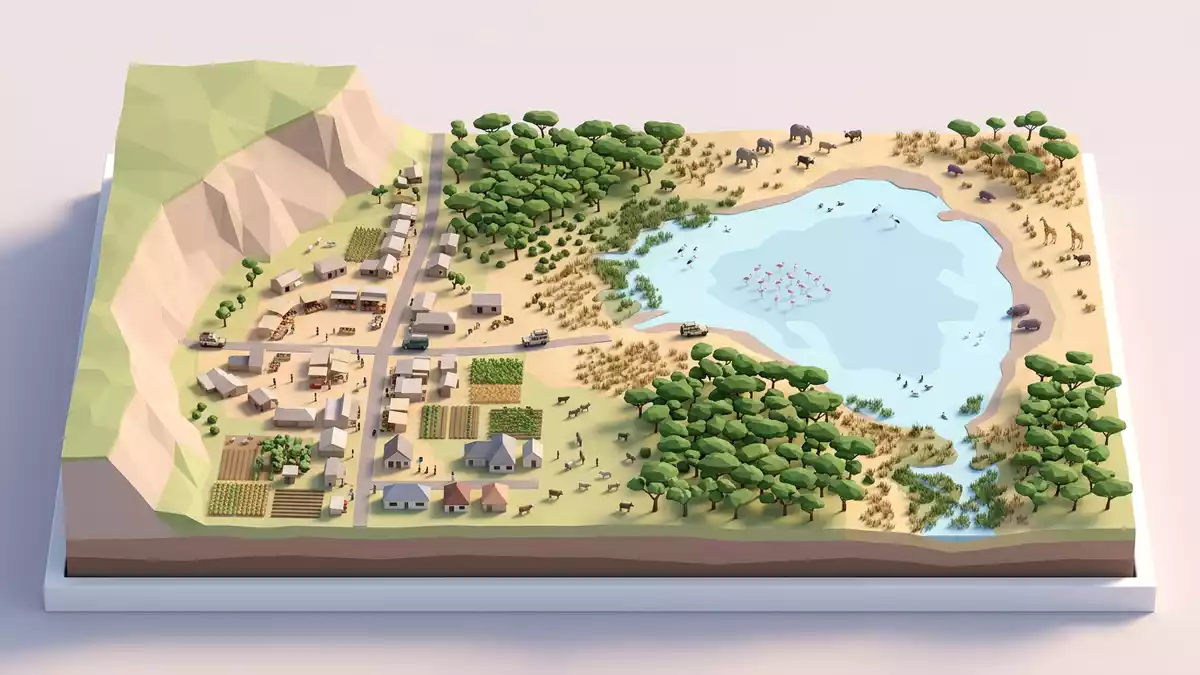
Lake Manyara National Park follows the eastern foot of the Great Rift Valley escarpment near Mto wa Mbu in northern Tanzania, binding forest, floodplain and water into a narrow strip of protected landscape. Established as a national park in 1960, it forms part of the Lake Manyara Biosphere Reserve recognised under UNESCO’s Man and the Biosphere Programme, anchoring conservation in a corridor used by wildlife between the lake basin and the surrounding highlands.
Where lake and escarpment meet
The defining impression of Lake Manyara National Park is how little space separates the shimmering lake from the cliffs of the Great Rift Valley. The protected area lies between the alkaline waters of Lake Manyara to the east and the steep escarpment to the west, creating a long, thin band of habitats that run roughly parallel to the cliff line.National park in Tanzania Within this band, groundwater-fed forest grows where springs emerge at the base of the escarpment, grading into acacia woodland and open floodplains closer to the lake shore.Alkaline lake and escarpment
The lake itself is a shallow soda lake whose surface can cover much of the park’s width in wet periods, leaving only a narrower strip of dry land for woodland and grassland. The park’s total area is recorded at around 320–330 km², with Lake Manyara occupying a substantial proportion of that surface.Size of lake and park Elevations rise from roughly 960 m above sea level at the lakeshore to higher points on the escarpment, so that views from the slopes take in the full sweep of water, woodland and distant volcanic highlands.
Ecological mosaic in a compact park
Although modest in size compared with some of Tanzania’s savannah parks, Lake Manyara National Park contains a notably varied set of habitats. Near the main gate, evergreen groundwater forest thrives on springs issuing from the escarpment, supporting blue monkeys, baboons and antelope species such as bushbuck beneath tall trees. Beyond this belt, acacia woodland and open grasslands frame the lakeside floodplain, where herds of buffalo, zebra, wildebeest and giraffe graze and move between patches of cover and open ground.Woodland and floodplain fauna
Along the shore, hippo pools mark places where deeper channels and marshes persist, providing refuge for hippos and a focal point for waterbirds. The alkaline lake supports gatherings of lesser and greater flamingos when conditions suit their feeding, alongside pelicans, storks, herons, fish eagles and many other species recorded in the park’s bird list, which runs to over 400 species in some accounts.Bird diversity around the lake In places the lakeshore gives way to wetland vegetation and sedge-covered margins, while further south geothermal activity produces areas of hot springs at the edge of the water.
Wildlife and conservation status
Lake Manyara National Park is widely associated with two particular mammals: elephant and lion. Accounts describe large elephant herds using the groundwater forest and surrounding woodland, taking advantage of the permanent water and cover in this relatively small park.Elephant herds in groundwater forest Lions are present alongside other large carnivores, and sightings of lions resting on substantial branches in trees have become part of how the park is portrayed, alongside more usual behaviour on the ground.Tree-climbing lions image
Beyond these emblematic species, Lake Manyara National Park protects a broad range of East African wildlife, including buffalo, hippo, giraffe, several antelope species and numerous primates.Range of mammals recorded The park originated as a game reserve in 1957 before receiving national park status in 1960, a sequence that reflects growing recognition of its ecological value and the need to integrate conservation with surrounding human use of the lake basin.History and key dates In 1981 the wider Lake Manyara basin, including the lake and park, was nominated as a Biosphere Reserve under UNESCO’s Man and the Biosphere Programme.Lake Manyara Biosphere Reserve
Visiting Lake Manyara National Park: what travellers from Western Europe should know
- Lake Manyara National Park lies near the town of Mto wa Mbu in northern Tanzania, west of Arusha; road access follows the main route towards the Ngorongoro highlands and the Serengeti.
- The terrain combines level floodplains near the lakeshore with forested sections at the foot of the escarpment, and some viewpoints are reached by tracks that climb towards higher ground.
- The official language is Swahili and the currency is the Tanzanian shilling.
- Entry requirements depend on your nationality; UK travellers can check the FCDO travel advice at gov.uk/foreign-travel-advice, Irish travellers the Department of Foreign Affairs at ireland.ie.
Searching for Lake Manyara National Park on social platforms
These links open searches for Lake Manyara National Park on each platform.
Frequently asked questions about Lake Manyara National Park
Where is Lake Manyara National Park located?
Lake Manyara National Park lies in northern Tanzania near Mto wa Mbu, between Lake Manyara and the Great Rift Valley escarpment west of Arusha.
What should visitors expect on a visit to the park?
Visitors encounter a compact mix of groundwater forest, acacia woodland, floodplains and the alkaline lakeshore, with chances to see elephants, hippos, lions and varied birdlife.
What makes Lake Manyara National Park distinctive among Tanzanian parks?
The park’s narrow strip between escarpment and lake, its alkaline soda waters and its combination of dense forest and open lakeside habitats give it a distinctive character.