
Krka National Park’s river, falls and stone
Published on 09/19/2026 at 18:53 | Editorial responsibility: Rafael Müller, Editor-in-Chief AD HOC NEWS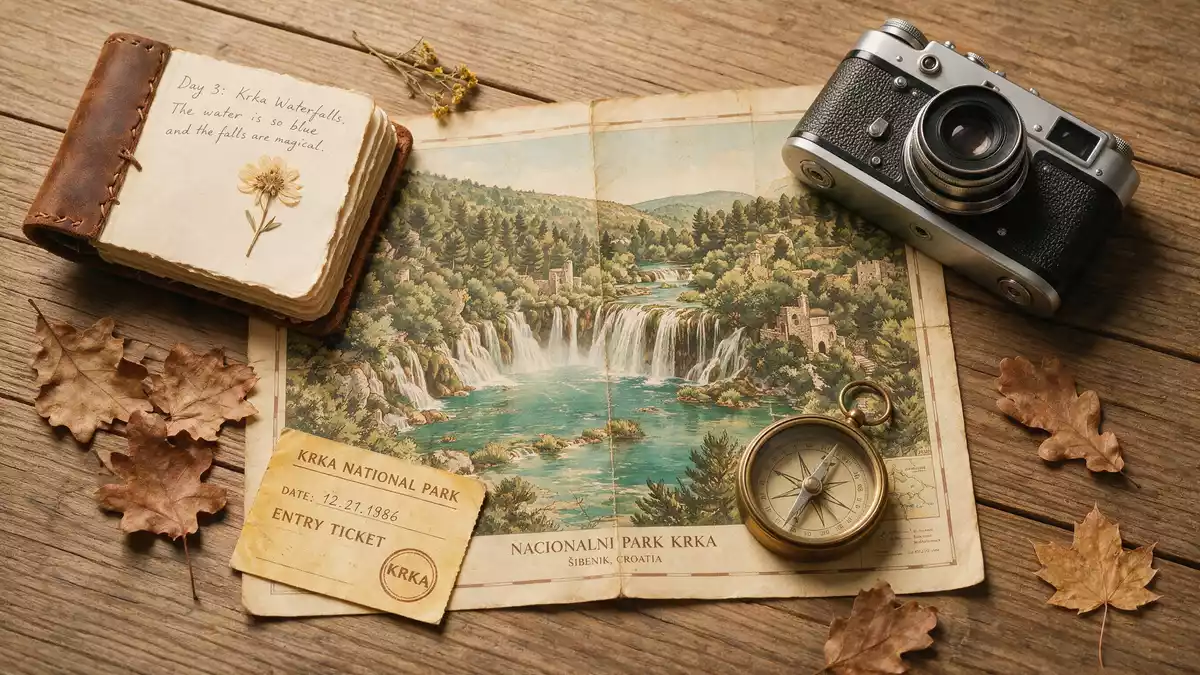
Nacionalni park Krka stretches along the Krka River in central Dalmatia, near Sibenik, where water, limestone and monastery sites form a strong and varied landscape. Its identity rests on the river itself, not on a single viewpoint.
Krka’s river corridor and travertine falls
The park follows a long river corridor through Šibenik-Knin County, with water moving through a sequence of falls and calmer stretches. The Krka River and its travertine formations give the park its most recognisable character.
That corridor includes Skradinski Buk, Roški Slap and other named falls that draw attention to the river’s stepped course. The official park site presents the park as a protected landscape centred on these river features. Its seat in Šibenik places the administration close to the coast rather than deep inland.
Monasteries, islands and the park’s cultural layer
Krka is not only a river park. Visovac Island sits on the river and carries a Franciscan monastery, while the Krka monastery adds an Orthodox monastic presence farther upstream.
That blend of natural and religious heritage is central to the place. The park’s own materials link the river setting with monastery buildings, ruins and older settlement layers along the watercourse. The same landscape also includes Burnum, a Roman military site, and the remains of earlier industrial activity at the river’s edge.
The result is a park where stone, water and architecture sit side by side. The arrangement gives Nacionalni park Krka a broader historical range than a single waterfall landscape.
Krka in the nineteenth and twentieth centuries
The park’s modern identity takes shape against a long history of use and protection. The Krka River corridor became a national park in 1985, and the protected area has remained centred on the river’s lower course and tributaries.
That protected status sits within the wider history of Dalmatia, where Roman, medieval and monastic traces survive in the river valley. The park’s cultural sites include the Roman camp at Burnum and the monasteries that later became part of the same landscape.
The name Krka ties the place to the river, and the river ties the park to its terrain. That direct relationship is the key fact behind the site’s lasting appeal.
Visiting Nacionalni park Krka: what travellers from Western Europe should know
- The park lies near Sibenik in central Dalmatia. Road access reaches the main park areas, and boat access serves parts of the river.
- The terrain includes limestone, steps, riverside paths and changing levels around the falls. Comfortable footwear suits the stone surfaces and uneven ground.
- The park contains river viewpoints, monastic sites and Roman remains. Visitors move between natural scenery and historic structures within one protected area.
- The official language is Croatian and the currency is the euro.
Searching for Nacionalni park Krka on social platforms
These links open searches for Nacionalni park Krka on each platform.
Frequently asked questions about Nacionalni park Krka
Where is Nacionalni park Krka?
It lies in central Dalmatia, near Sibenik, and extends along the Krka River in Šibenik-Knin County. The park’s river corridor links inland landscape with the Adriatic-facing side of Croatia.
What does a visit usually include?
Expect waterfalls, riverside paths, monastic sites and Roman remains within one protected landscape. The experience shifts between water, stone and historic buildings.
What makes Nacionalni park Krka distinctive?
The park combines a river gorge, travertine falls and layered cultural heritage. Water and architecture share the same valley, and that combination defines the place.


