Krka National Park records a new bird on 23 November
Published on 11/28/2026 at 13:12 | Editorial responsibility: Rafael Müller, Editor-in-Chief AD HOC NEWSWildlife record and visitor context
- A Ring-necked Duck was confirmed at Torak in Krka National Park on 23 November 2026.
- The Croatian Rare Bird Records Committee verified the species as a first national record.
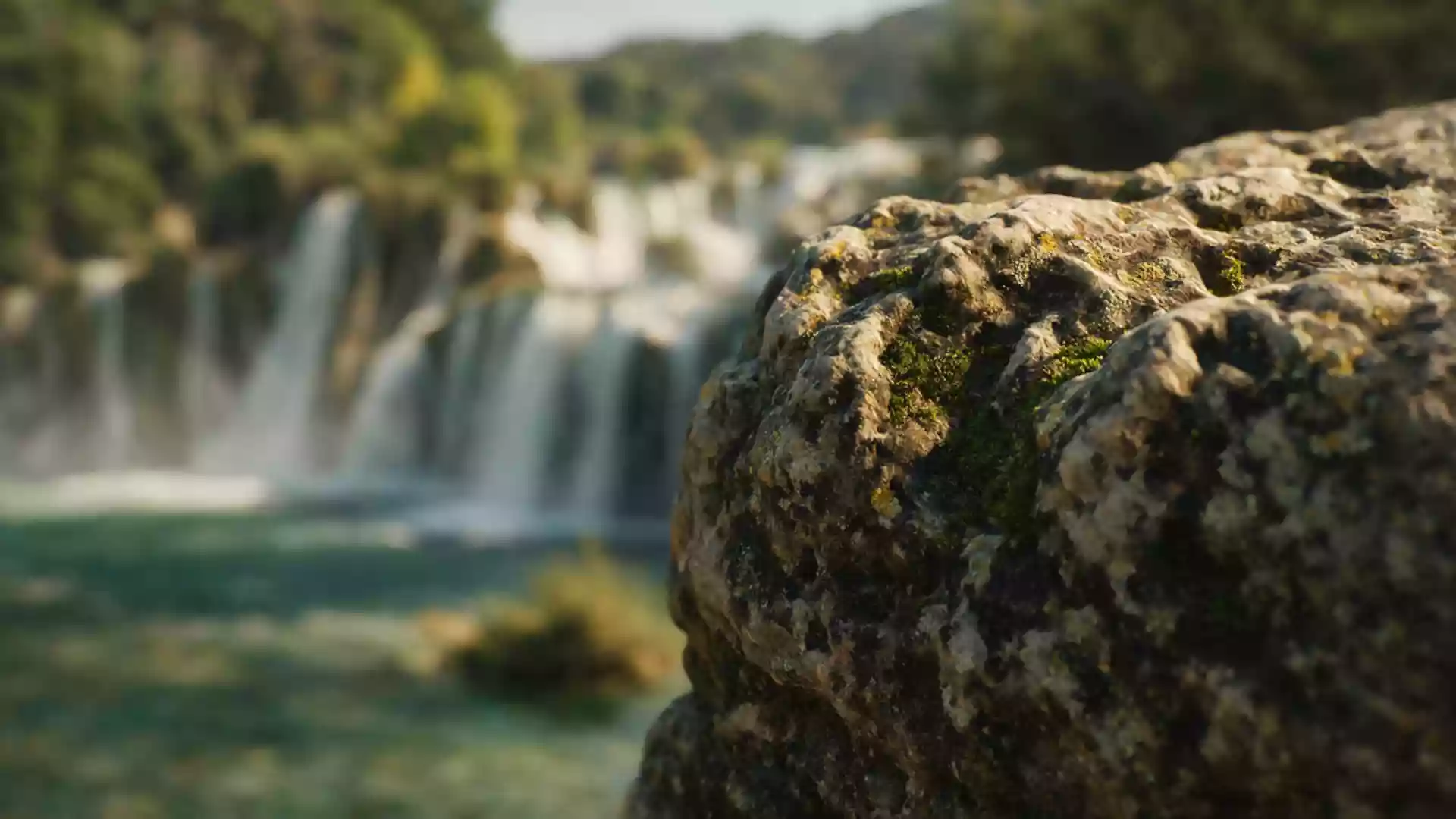
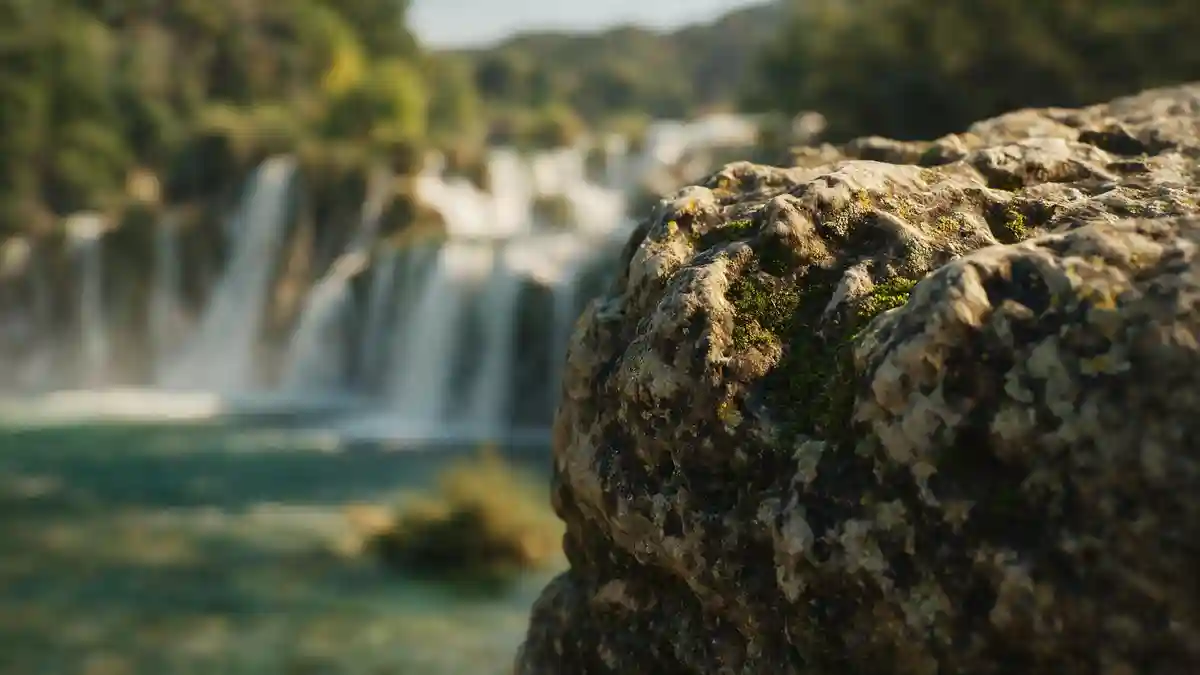
- Skradinski buk remains the park's main waterfall area, with trails, bridges and historic water mills.
Krka National Park (Nacionalni park Krka) near Sibenik recorded a Ring-necked Duck at the Torak lake spring on 23 November 2026, creating a new wildlife story for visitors to Croatia. The Croatian Rare Bird Records Committee confirmed the species as the first record for the country.
Ring-necked Duck record confirmed at Torak
The bird is a North American species that occasionally appears in Europe outside its usual range. An individual was photographed at Torak during a visit by Italian ornithologist Matteo Skodler, whose photograph supplied the documentation for the official confirmation.
The park authority identifies the bird by its scientific name, Aythya collaris, and describes it as a new species for Croatia. The confirmation concerns a sighting at the lake spring itself, rather than a new attraction, a scheduled event or a change to visitor access.
official bird record and a Croatia Week report both place the sighting at Torak and identify the species as a first national record.
Torak connects the record with Krka's karst landscape
Torak lies above Skradinski buk, where the Krka and Cikola valleys meet in a lake-like landscape. The spring is a karst feature, with water rising from underground limestone and creating a calm, circular surface that differs sharply from the nearby cascades.
Skradinski buk is the park's largest cascade and is formed by tufa barriers, islands and lakes. Its network of paths and bridges also passes renovated water mills and ethnographic displays, linking the wildlife record with the cultural history of the river.
The wider park follows the middle and lower Krka River in Sibenik-Knin County. Its landscape includes waterfalls, river canyons, wetlands, caves, medieval fortresses, the Roman camp at Burnum and the Franciscan monastery on Visovac.
The park's waterfall profile describes Skradinski buk as a major natural site near Sibenik and places the park within the wider karst setting of Croatia.
A first national record adds to the park's birdlife
Krka is already an important habitat for birds during migration and wintering. Its river, lakes, reed beds and wet meadows provide different conditions for waterfowl, while the surrounding cliffs and woodland support other species.
The Ring-necked Duck therefore adds a documented national record to a landscape already known for varied birdlife. The finding also shows why photographs and formal review matter when an unusual visitor appears far from its normal range.
Visiting Krka National Park: what travellers from Western Europe should know
- The wildlife record was confirmed on 23 November 2026 at the Torak lake spring in Krka National Park.
- The sighting does not announce a closure or a special entrance; Torak is part of the park landscape, while the main visitor areas include Skradinski buk and Roški slap.
- The park lies in Sibenik-Knin County in Croatia, with access points including Lozovac and Skradin. Road approaches also connect sites such as Burnum and Roški slap.
- Visitors encounter karst terrain, waterfalls, wooden paths, bridges, riverbanks and uneven trails. The area combines natural habitats with water mills, caves and archaeological sites.
- The official language is Croatian and the national currency is the euro.
Searching for Krka National Park on social platforms
These links open searches for Krka National Park on each platform.
Frequently asked questions about Krka National Park
When was the Ring-necked Duck recorded at Krka National Park?
The record at the Torak lake spring was confirmed on 23 November 2026.
What is Torak at Krka National Park?
Torak is a karst lake spring above Skradinski buk, where underground water rises through the limestone landscape.
Where is Krka National Park and how do you get there?
The park is in Sibenik-Knin County in Croatia, with visitor access including the Lozovac and Skradin entrances and road links to several sites.