
Krka National Park hosted a heritage workshop on 3 October
Published on 10/04/2026 at 02:17 | Editorial responsibility: Rafael Müller, Editor-in-Chief AD HOC NEWS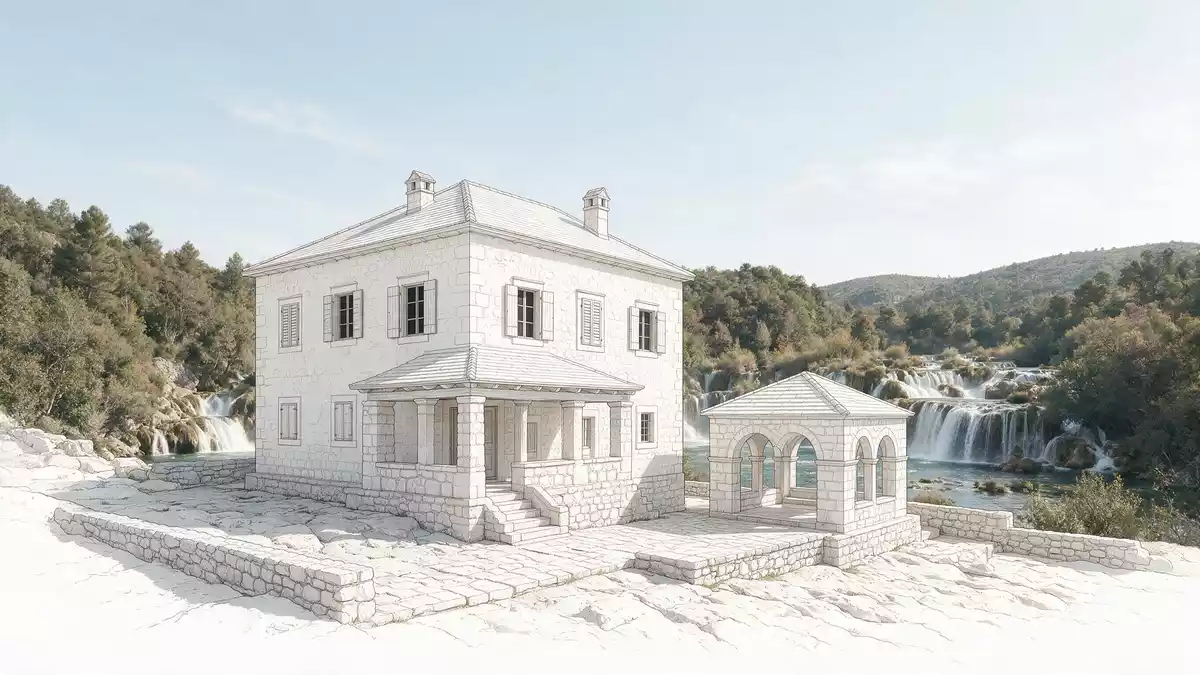
Krka National Park (the park's Croatian designation) hosted the Heritage in the Hands of the Future workshop and guided tour at Skradinski buk on 3 October 2026. The programme in Croatia's Sibenik region focused on cultural and ethnographic heritage connected with the Krka River.
Heritage in the Hands of the Future took place on 3 October
The programme ran from 11am to 2pm on 3 October 2026 as part of Croatia's European Heritage Days. The Public Institution Krka National Park organised the event, which combined a guided visit with a workshop for children.
The programme introduced participants to traditional knowledge and skills associated with life along the river. The official heritage programme lists the event as a workshop and tour at Skradinski buk, with the restored watermills as a central point of the visit. Its official programme entry places the event at the national park and names the park institution as organiser.
Skradinski buk linked watermills with living heritage
Skradinski buk is the final and longest tufa barrier on the Krka River. The park describes the former watermills as restored structures that demonstrate older trades, giving the 3 October programme a direct setting for its focus on traditional skills.
The waterfall area has a 1,900-metre educational walking trail. The route passes wooden bridges, watermills and an ethnographic collection that records the economic history of Sibenik and the surrounding region. The river also runs over 17 travertine steps at Skradinski buk, across a waterfall system with a total elevation difference of 45.7 metres, according to the park's Skradinski buk trail guide.
This connection between a scheduled heritage programme and the restored watermills is specific to the site. Visitors were not simply offered a general cultural presentation: the activity used the historic river facilities and the waterfall route to explain how earlier communities worked and used local resources.
Visiting Krka National Park: what travellers from Western Europe should know
- The Heritage in the Hands of the Future programme took place at Skradinski buk on 3 October 2026 from 11am to 2pm.
- The event combined a guided tour with a children's workshop and focused on cultural and ethnographic heritage linked to the Krka River.
- Skradinski buk has two entrances, at Lozovac and Skradin. The park identifies access by boat from Skradin, by bus from Lozovac and by walking routes.
- The 1,900-metre circular educational trail uses wooden bridges and passes restored watermills. Swimming at Skradinski buk is not allowed.
- Croatia's official language is Croatian and its currency is the euro.
Searching for Krka National Park on social platforms
These links open searches for Krka National Park on each platform.
Frequently asked questions about Krka National Park
When did the Heritage in the Hands of the Future programme take place?
The workshop and guided tour took place at Skradinski buk on 3 October 2026 from 11am to 2pm.
Where is Krka National Park and how do you get there?
The park lies in Croatia's Sibenik region. Skradinski buk can be reached through the Lozovac and Skradin entrances, including by park bus from Lozovac or boat from Skradin.
What is Krka National Park?
It is a protected river landscape centred on the Krka River, with waterfalls, travertine barriers, restored watermills and educational walking trails. Skradinski buk is its best-known waterfall area.


