
Kopalnia Soli Wieliczka and its underground halls
Published on 08/28/2026 at 22:09 | Editorial responsibility: Rafael Müller, Editor-in-Chief AD HOC NEWS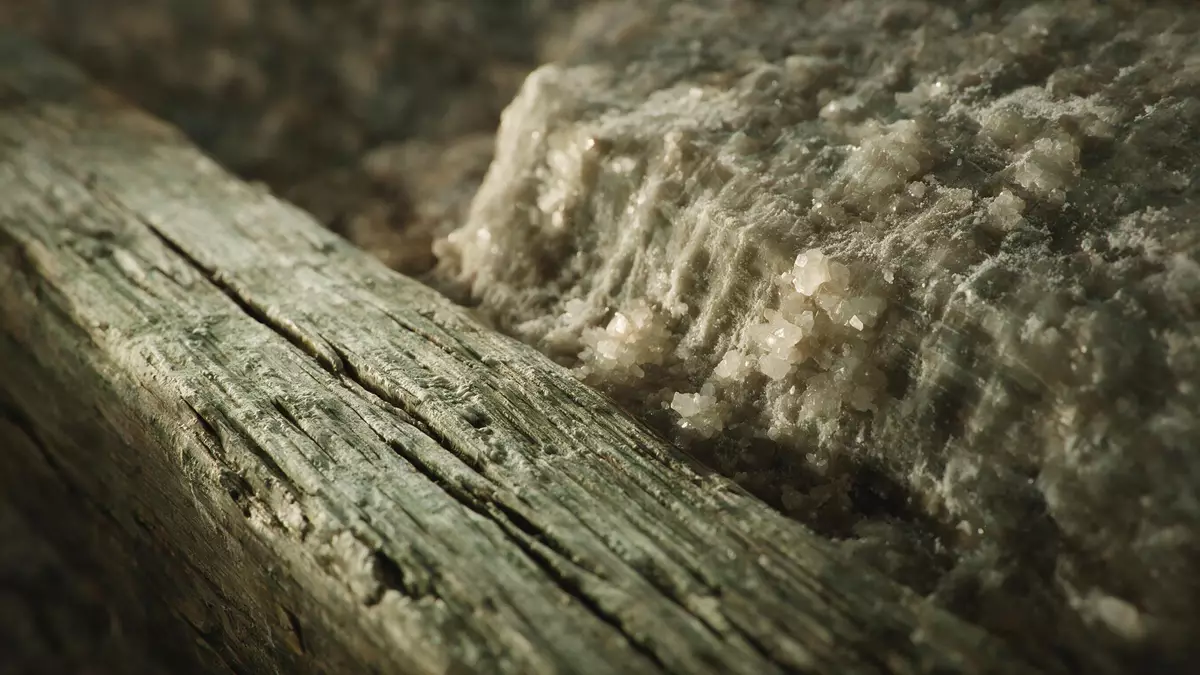
Kopalnia Soli Wieliczka in Wieliczka is a salt mine with a long industrial past and a striking underground landscape. Its galleries, chambers and carved salt details make the mine as much a monument as a workplace.
Kopalnia Soli Wieliczka’s underground salt landscape
The mine is part of the Wieliczka and Bochnia Royal Salt Mines, a serial UNESCO property inscribed in 1978. The site’s rock salt deposit has been mined since the thirteenth century, and the mine remains the best-known part of a wider royal saltworks tradition.
Inside, the underground route passes through galleries, chambers and salt-cut details rather than through a single monumental hall. The site also includes chapels and statues carved from salt, a reminder that the working spaces took on a form of their own.
Royal saltworks, chapels and carved detail
The UNESCO description links the mines to the historic development of mining techniques in Europe from the thirteenth to the twentieth centuries. That wide span gives the place a layered character: older excavation spaces sit beside later arrangements and decorated interiors.
The wider property includes Wieliczka Saltworks Castle, a medieval-period building that was rebuilt several times. The castle was part of the administrative and technical system that ran the mines, and its presence keeps the industrial history anchored to a named place.
Wieliczka in the cultural map of southern Poland
The mine lies in southern Poland, in Wieliczka near Kraków, and forms part of a landscape shaped by salt extraction over generations. The Polish UNESCO listing notes nine levels and 360 km of galleries, while the mine’s scale is also reflected in its underground chapels and works of art.
The site is formally recognised as a historic monument in Poland and as part of a UNESCO World Heritage property. That combination places Kopalnia Soli Wieliczka among the country’s most important industrial survivals, with a form that is visibly older than the modern tourist route.
Visiting Kopalnia Soli Wieliczka: what travellers from Western Europe should know
- The mine lies in Wieliczka, south-east of Kraków. Rail and road connections make it part of the wider city region, rather than an isolated rural site.
- The underground visit involves galleries, chambers and a descent below ground. The setting is a working subterranean space, with salt underfoot and carved surfaces around the route.
- The official language is Polish and the currency is the Polish z?oty.
- Conditions underground are shaped by the mine’s depth and layout. The route includes long passages and large chambers rather than a single compact room.
Searching for Kopalnia Soli Wieliczka on social platforms
These links open searches for Kopalnia Soli Wieliczka on each platform.
Frequently asked questions about Kopalnia Soli Wieliczka
Where is Kopalnia Soli Wieliczka?
It stands in Wieliczka, near Kraków in southern Poland. The mine forms part of the Wieliczka and Bochnia Royal Salt Mines UNESCO property.
What does a visit involve?
A visit takes place underground among galleries, chambers and carved salt features. The route shows a mine that is both an industrial site and a historic interior landscape.
What makes it distinctive?
Kopalnia Soli Wieliczka combines a thirteenth-century mining tradition with chapels, statues and extensive underground workings. Its link to the royal saltworks system and UNESCO status gives it a strong historical identity.


