
Kopalnia Soli Wieliczka: an underground salt city beneath Poland
Published on 09/15/2026 at 06:53 | Editorial responsibility: Rafael Müller, Editor-in-Chief AD HOC NEWS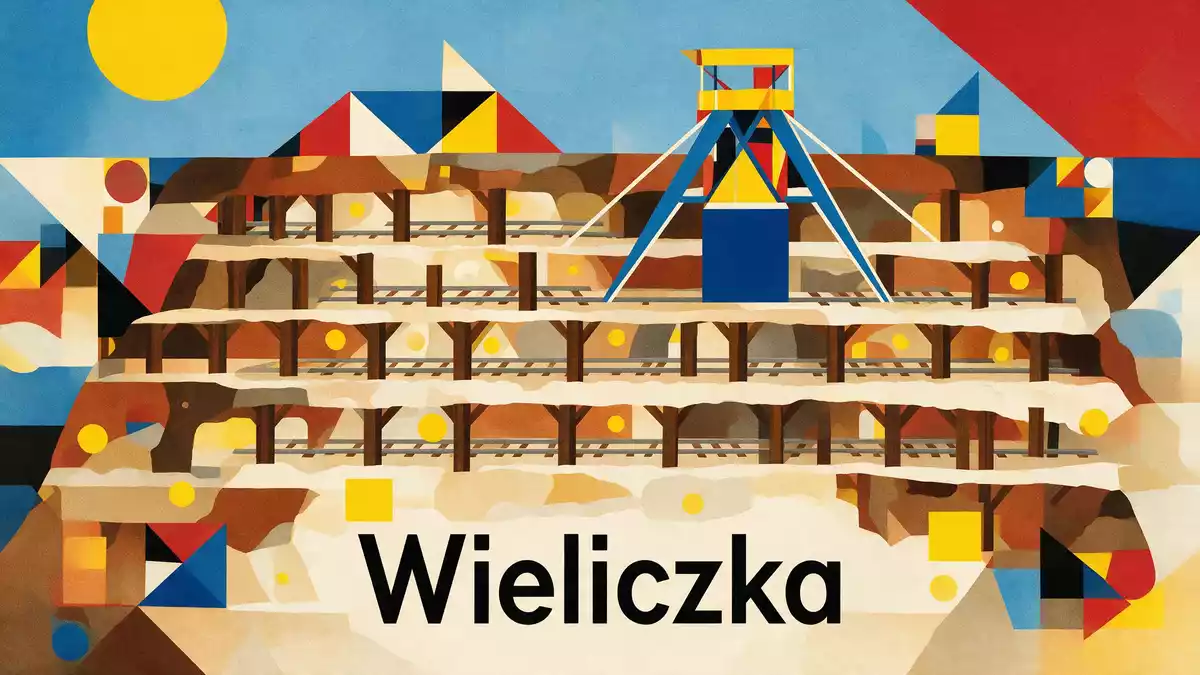
Kopalnia Soli Wieliczka, known in English as the Wieliczka Salt Mine, is an underground world of rock salt beneath the town of Wieliczka in southern Poland. It reaches deep under the landscape with levels of shafts, passages and chambers shaped continuously since the thirteenth century.
An ancient industry carved into rock salt
The story of Kopalnia Soli Wieliczka begins with brine and rock salt, part of a deposit formed in the Miocene and lying under the Carpathian foothills south-east of Kraków.Sole wydobywane w kopalni From the thirteenth century miners drove shafts down into this deposit, linking them with galleries to extract blocks of salt and to follow the seams.mined since the 13th century
For centuries the mine formed part of the royal salt enterprise of ?upy Krakowskie alongside the Bochnia workings, an industrial operation that underpinned the finances of the medieval Polish kingdom.?upy krakowskie Horizontal galleries run for many kilometres through the salt, linking excavated chambers where salt was worked and stored, and together they form a kind of underground city with its own routes, naming traditions and engineering landmarks.
From royal mine to World Heritage landscape
Kopalnia Soli Wieliczka is recognised as one of the oldest industrial complexes in Europe, with continuous salt production from the Middle Ages until the late twentieth century.najstarszych zak?adów przemys?owych In 1996 commercial extraction ceased, bringing to a close more than seven hundred years of mining and leaving a labyrinth that now serves mainly museum, therapeutic and visitor functions.zaprzestano ca?kowicie eksploatacji z?o?a
The cultural value of this underground landscape was recognised early: the mine entered the Polish register of monuments in the 1970s and gained the formal status of a national “historic monument” in the 1990s.pomnik historii Polski In 1978 Wieliczka joined the very first group of properties inscribed on the UNESCO World Heritage List, and later the entry was extended to include the Bochnia Salt Mine and the Saltworks Castle, recognising the shared geological deposit and the long industrial history of the royal salt mines.entered in 1978 on the First UNESCO World Heritage List
Chapels and sculptures in a city of salt
One of the most striking aspects of Kopalnia Soli Wieliczka is how miners and sculptors transformed working spaces into places of devotion and art, carving altars, reliefs and architectural details directly from the salt walls. The most celebrated example is the Chapel of Saint Kinga, located on one of the deeper levels and organised as a full church interior with nave, side chapels and chandeliers formed partly from salt crystals.St. Kinga’s Chapel
The work on Saint Kinga’s Chapel developed over many decades, with the principal phase completed in 1896 and further sculptures added into the twentieth century.construction of the chapel Legend connects the mine to Princess Kinga of Hungary, a thirteenth-century figure associated with the discovery of the salt deposits at Wieliczka and Bochnia, and she is honoured as patron saint of salt miners through the iconography and dedication of the chapel.Princess Kinga of Hungary
Visiting Kopalnia Soli Wieliczka: what travellers from Western Europe should know
- Kopalnia Soli Wieliczka lies under the town of Wieliczka, south-east of Kraków in southern Poland, and is reached from the surface via mine shafts and stairways.
- The tourist route follows underground passages and chambers on several levels, with long sections on foot and staircases that descend and climb between the workings.
- The mine is in Poland, where the official language is Polish and the currency is the Polish z?oty.
- Entry requirements depend on your nationality; UK travellers can check the FCDO travel advice at gov.uk/foreign-travel-advice, Irish travellers the Department of Foreign Affairs at ireland.ie.
Searching for Kopalnia Soli Wieliczka on social platforms
These links open searches for Kopalnia Soli Wieliczka on each platform.
Frequently asked questions about Kopalnia Soli Wieliczka
Where is Kopalnia Soli Wieliczka?
The mine lies beneath the town of Wieliczka in southern Poland, south-east of Kraków, within the Lesser Poland region.
What can visitors expect inside the mine?
Visitors follow a guided route through underground galleries and chambers carved in rock salt, including chapels, sculptures and remnants of historic mining equipment.
What makes Kopalnia Soli Wieliczka distinctive?
The combination of deep geological salt deposits, centuries of royal industrial history and elaborate religious and artistic spaces carved entirely from salt gives the mine its distinctive character.


