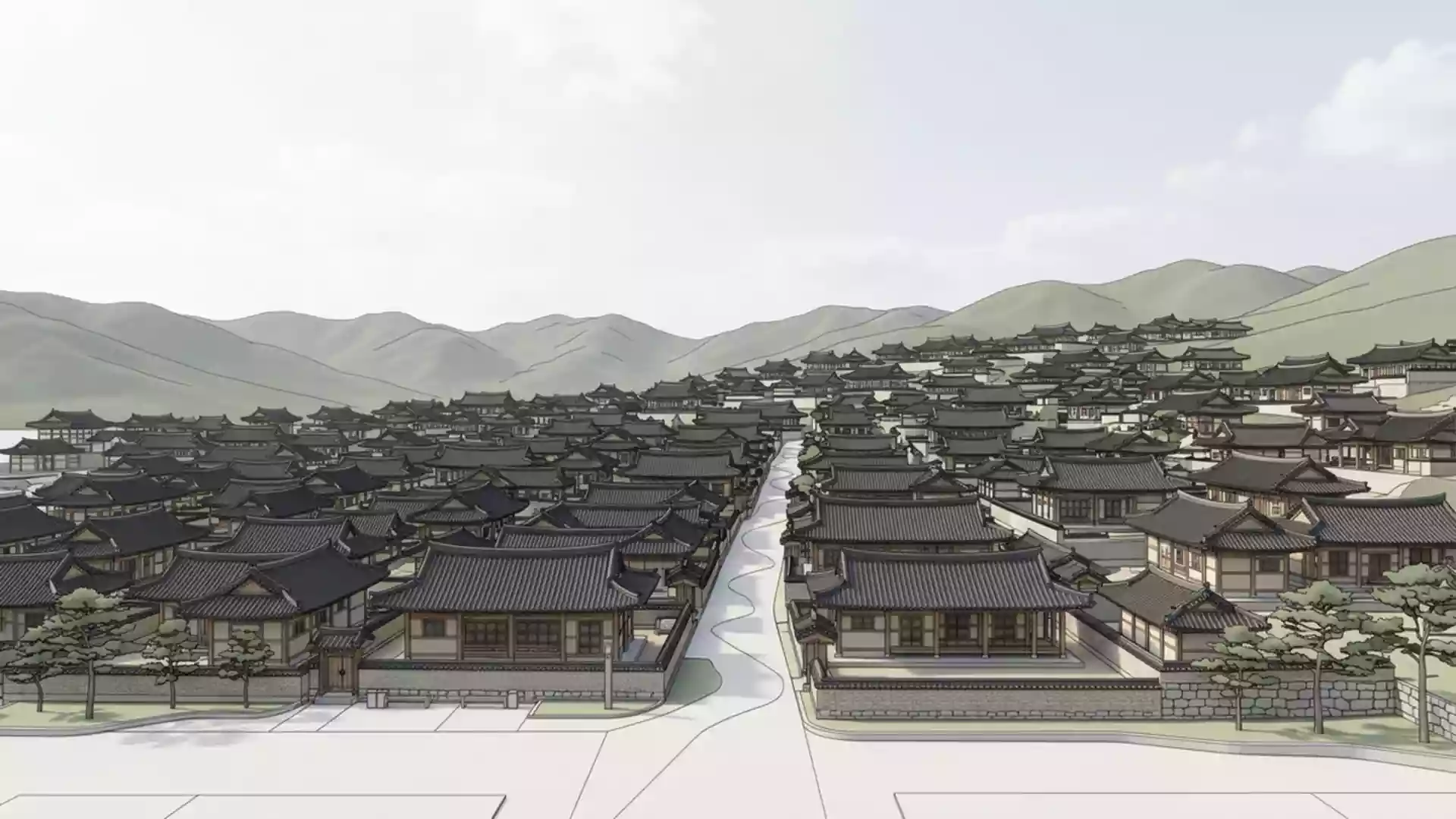
Jeonju Hanok Maeul and the tiled roofs of Jeonju
Published on 09/03/2026 at 13:48 | Editorial responsibility: Rafael Müller, Editor-in-Chief AD HOC NEWS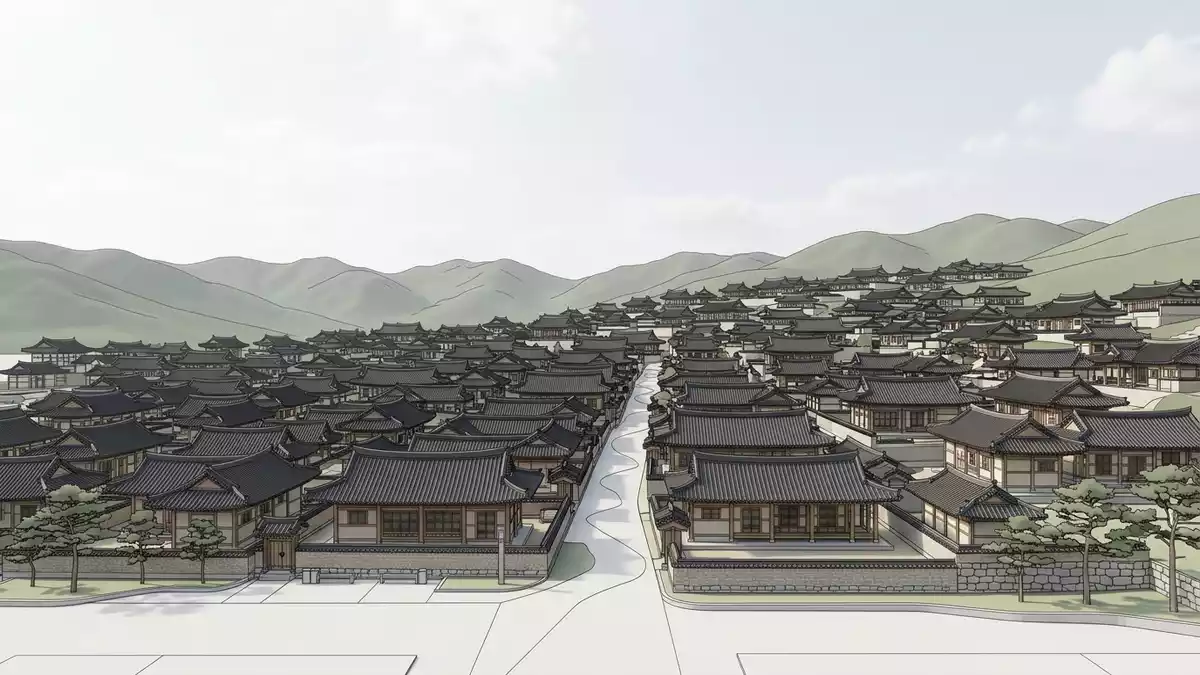
Jeonju Hanok Maeul in Jeonju is a dense quarter of traditional Korean houses, anchored by tiled roofs, wooden walls and narrow lanes. It places Gyeonggijeon and other historic sites within the same urban fabric.
Jeonju Hanok Maeul and its hanok streets
The district is known for its concentration of hanok, the traditional house form associated with Korea’s Joseon-era domestic architecture. The layout combines residential streets with cultural buildings, creating a compact townscape rather than a single monument.more than 700 hanoks
Jeonju Hanok Maeul sits in Pungnam-dong and Gyo-dong in Wansan-gu, the part of the city most closely associated with this historic ensemble.Pungnam-dong and Gyo-dong Its streets are also tied to the broader development of Korea’s modern housing culture, which the site presents as beginning in 1910.
Jeonju Hanok Maeul and Gyeonggijeon Shrine
One of the best-known buildings in the district is Gyeonggijeon Shrine, a Confucian royal shrine linked to King Taejo, the founder of the Joseon dynasty.Gyeonggijeon Shrine The shrine adds a formal ceremonial centre to the wooden residential streets around it.
The district also includes Jeondong Catholic Cathedral, which places a Western-style brick church inside a setting dominated by hanok roofs and timber structures. That contrast is visible without leaving the neighbourhood.Jeondong Catholic Cathedral
Jeonju Hanok Maeul in the Joseon-era city
Jeonju’s importance long predates the present district. The city was the ancestral home of the Yi family, and its historical profile is closely linked to the Joseon dynasty and King Taejo.
Within that wider setting, Jeonju Hanok Maeul reads as an urban concentration of timber architecture, tiled roofs and cultural compounds.Joseon-era architecture Its value lies in the density of the streets and in the way the hanok fabric sits beside major heritage buildings.
Visiting Jeonju Hanok Maeul: what travellers from Western Europe should know
- The district lies in Jeonju, in Wansan-gu’s Pungnam-dong and Gyo-dong areas. Jeondong Catholic Cathedral and Gyeonggijeon are both part of the same central heritage zone.
- The lanes are compact and lined with low wooden houses, tiled eaves and enclosed courtyards. The built fabric is dense rather than open.
- Parts of the area are pedestrian in feel, with heritage buildings close together and streets that favour walking. The setting mixes residential scale with shrine precincts and small cultural facilities.
- The official language is Korean and the currency is the South Korean won.
Searching for Jeonju Hanok Maeul on social platforms
These links open searches for Jeonju Hanok Maeul on each platform.
Frequently asked questions about Jeonju Hanok Maeul
Where is Jeonju Hanok Maeul?
It is in Jeonju, in the Pungnam-dong and Gyo-dong area of Wansan-gu. The district forms part of the city’s historic centre.
What does a visit show?
It shows a compact hanok landscape of timber houses, tiled roofs and heritage buildings. Gyeonggijeon and Jeondong Catholic Cathedral are both within the same area.
What makes it distinctive?
Its strength lies in the concentration of hanok within a central urban district. The mix of residential streets and major cultural sites gives the quarter a strong historical profile.