
Jasper National Park’s vast mountain wilderness
Published on 08/31/2026 at 19:59 | Editorial responsibility: Rafael Müller, Editor-in-Chief AD HOC NEWS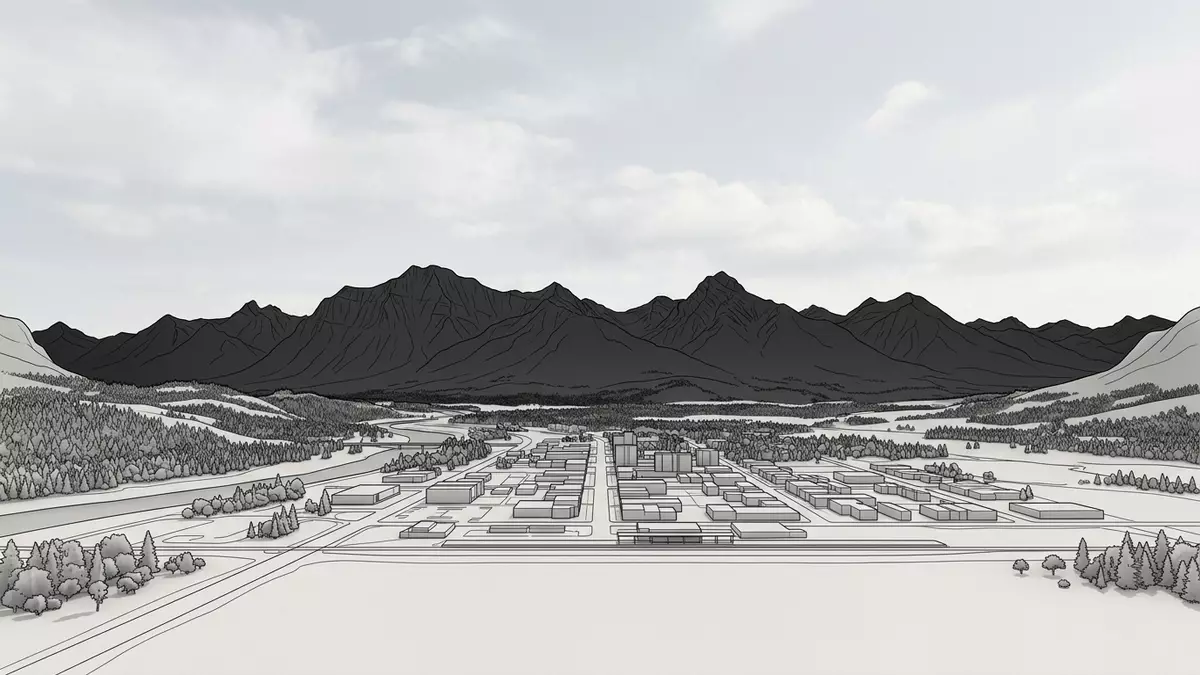
Jasper National Park in Alberta is a vast mountain wilderness where high peaks, extensive forests and long river valleys meet in a single protected landscape. Established as Jasper Forest Park in 1907 and designated a national park in 1930, it forms part of the Canadian Rocky Mountain Parks World Heritage Site, recognised by UNESCO for its exceptional natural beauty.Established as Jasper Forest Park in 1907
A Rocky Mountain park on a grand scale
Jasper National Park lies in western Canada on the eastern flank of the Rocky Mountains in Alberta, north of Banff National Park and close to the border with British Columbia.National park in western Alberta Its protected area extends over about 11,000 km² (4,200 sq mi), making it the largest national park in the Canadian Rockies and one of the most extensive continuous tracts of high mountain terrain managed as a single unit.Largest national park in the Canadian Rockies
The park is part of the Canadian Rocky Mountain Parks ensemble, a group of four national parks and three provincial parks inscribed on the World Heritage List in 1984 for their rugged peaks, icefields, glaciers, alpine meadows, lakes, waterfalls, karst cave systems and deeply incised canyons.Canadian Rocky Mountain Parks inscription Within this larger protected mosaic, Jasper stands out for the breadth of its mountain ranges and the length of its major river corridors, including the Athabasca River, which runs through the park and provides a natural axis for roads, trails and wildlife movement.
Glaciers, lakes and canyons of the Athabasca and beyond
Glacial landscapes are one of the defining features of Jasper National Park. Along its southern reaches lies access to the Columbia Icefield, an expanse of ice and outlet glaciers that straddles the boundary between Jasper and Banff and feeds major river systems on both sides of the Continental Divide.Icefields and glaciers in the park Remnant valley glaciers, hanging ice and extensive moraine fields sit above and beside the main travel corridors, giving many viewpoints direct sight of active geological processes shaped by ice.
Water in liquid form is just as characteristic. Lakes of different sizes punctuate the valleys, from major bodies of water such as Maligne Lake to smaller lakes near the townsite, while rivers and streams carve canyons through the sedimentary bedrock. Athabasca Falls and other cascades highlight the contrast between calm upper reaches and confined chutes where the river drops through narrow rock channels.Abundant waterfalls and canyons The combination of broad glacially carved valleys, sharp peaks, waterfalls and deep gorges gives Jasper a varied topography that is visible even on short walks away from the road.
Dark skies, wildlife and the town of Jasper
Jasper National Park is recognised as a dark sky preserve through a designation made in partnership with Parks Canada and the Royal Astronomical Society of Canada in 2011.Dark-sky preserve designation in 2011 This status reflects the low levels of artificial light over most of the park and the quality of its night sky, measured by sky brightness values that remain high in much of the core area. Within the Canadian Rockies, Jasper’s dark sky preserve is among the largest, adding an astronomical layer to its mountain appeal.
Wildlife is a central part of the park’s identity. Extensive forests and open meadows support species typical of the northern Rocky Mountains, and long river corridors offer connected habitat over many kilometres. The town of Jasper sits inside the park and acts as a service centre and base for excursions into the surrounding valleys and plateaus.The town of Jasper in the park From the town, roads follow the Athabasca and other rivers, leading towards lakes, viewpoints and trailheads that reveal how closely human access routes follow the underlying structure of the landscape.
Visiting Jasper National Park: what travellers from Western Europe should know
- Jasper National Park lies in western Canada in the province of Alberta, with the town of Jasper located within the park and acting as the main gateway.
- Terrain in the park ranges from low valley floors to alpine areas, with steep gradients, long approaches on foot and mountain trails that can involve extended ascents.
- The park is reached by road from other Rocky Mountain communities, including routes linking it with Banff National Park to the south along a high mountain highway corridor.
- The official language is English and the currency is the Canadian dollar.
- Entry requirements depend on your nationality; UK travellers can check the FCDO travel advice at gov.uk/foreign-travel-advice, Irish travellers the Department of Foreign Affairs at ireland.ie.
Searching for Jasper National Park on social platforms
These links open searches for Jasper National Park on each platform.
Frequently asked questions about Jasper National Park
Where is Jasper National Park located?
Jasper National Park is in western Alberta in Canada’s Rocky Mountains, north of Banff National Park and centred on the town of Jasper.
What can visitors expect on a first visit?
Visitors encounter extensive mountain scenery with peaks, glaciers, lakes, forests and river valleys, along with a small town that serves as a base for exploring the park.
What makes Jasper National Park distinctive within the Canadian Rockies?
Jasper stands out for its large protected area, dark sky preserve status, glacial landscapes and its role within the Canadian Rocky Mountain Parks World Heritage Site.


