
Jasper National Park and its landscape of ice and rivers
Published on 09/23/2026 at 19:23 | Editorial responsibility: Rafael Müller, Editor-in-Chief AD HOC NEWS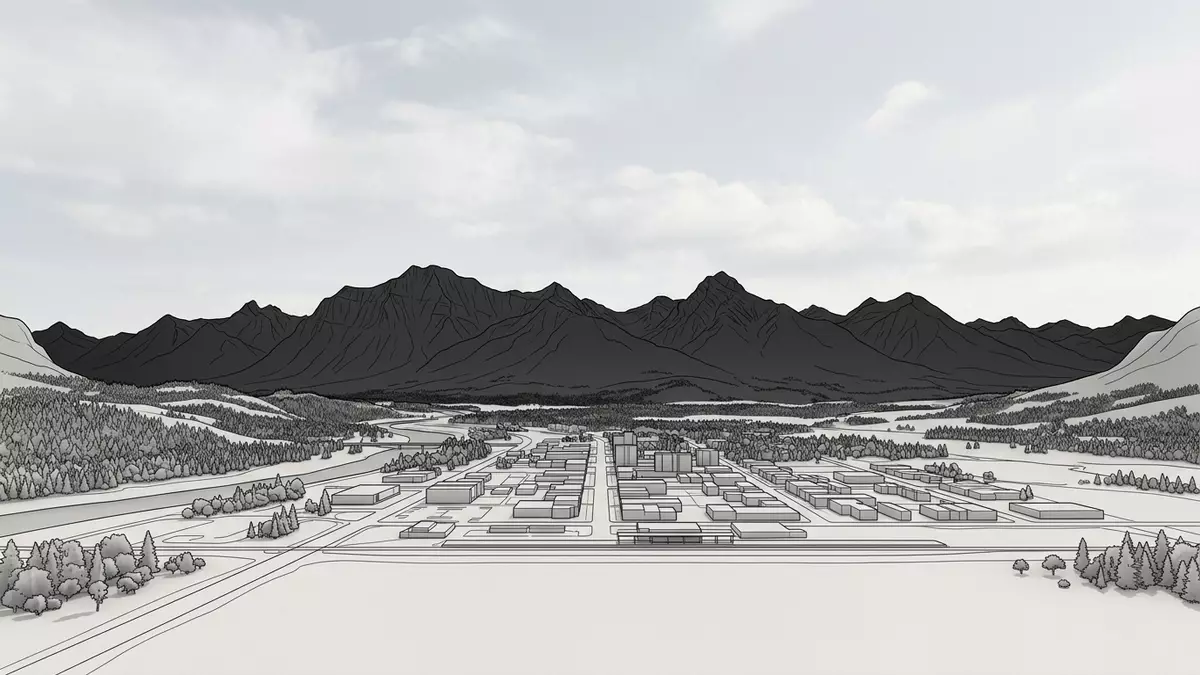
Jasper National Park is a vast mountain landscape in western Alberta, where glaciers, rivers, forests and limestone valleys form a continuous setting around Jasper. Established as Jasper Forest Park in 1907, it became a national park in 1930 and remains defined by the visible relationship between ice, rock and water.
Jasper National Park: a mountain landscape shaped by ice
The park lies on the eastern slopes of the Rocky Mountains, east of the Continental Divide. Its terrain rises from the Athabasca Valley at about 985 metres to nearly 3,800 metres at Mount Columbia, Alberta’s highest peak. Jasper’s elevation range is visible in the change from broad valley floors to high alpine ridges.
Layers of limestone, shale and quartzite make up much of the mountain scenery. Glacial action has carved valleys, polished rock and left broad deposits of moraine. The result is not a single mountain form, but a connected landscape of peaks, passes, lakes, waterfalls and river corridors.
From the Columbia Icefield to the Athabasca River
The Columbia Icefield occupies an elevated plateau in the southern part of Jasper National Park. It feeds several major rivers, including the Athabasca, whose channels and tributaries drain more than four-fifths of the park. The Athabasca Glacier descends from the icefield across bedrock steps and ends above the valley.
At Athabasca Falls, water from the glacier-fed river passes through a narrow limestone gorge before dropping 23 metres. The waterfall’s significance lies in the combination of height, rock and river volume. Athabasca Falls and its river also connect the natural landscape with the history of travel through the Athabasca valley.
Jasper’s lakes, passes and cultural landscape
Maligne Lake extends through a mountain valley east of Jasper. Its Indigenous name, Chaba Imne, means Beaver Lake. The lake, Maligne Canyon and the surrounding trails belong to a landscape with deep connections to Anishinabe, Aseniwuche Winewak, Dene-zaa, Nêhiyawak, Secwépemc, Stoney Nakoda, Mountain Métis and Métis peoples.
Jasper National Park contains archaeological evidence, historic buildings and transport routes. Yellowhead Pass crosses the Rockies through the northern part of the park, while the Athabasca River carried fur traders and travellers. Indigenous connections to Jasper include seasonal travel, harvesting, ceremony and long-established relationships with the land.
Jasper forms part of the Canadian Rocky Mountain Parks World Heritage Site, inscribed in 1984. The designation includes Jasper, Banff, Kootenay and Yoho national parks, alongside provincial parks in British Columbia. Jasper National Park also became a Dark-Sky Preserve in 2011, linking its mountain scenery with a protected night sky. Jasper’s dark-sky status gives astronomy a clear place within the park’s cultural landscape.
Visiting Jasper National Park: what travellers from Western Europe should know
- Jasper National Park lies in western Alberta, north of Banff National Park. Highway 16, also called the Yellowhead Highway, crosses the park, while the Icefields Parkway connects Jasper with Lake Louise and Banff.
- Via Rail provides train connections to Jasper through Edmonton and Vancouver. The town of Jasper is the principal settlement within the park.
- The terrain includes glacial valleys, steep mountain roads, exposed rock, high passes and alpine ground. Routes around the Columbia Icefield reach high elevation.
- The official languages are English and French, and the currency is the Canadian dollar.
- Entry requirements depend on your nationality; UK travellers can check the FCDO travel advice at gov.uk/foreign-travel-advice, Irish travellers the Department of Foreign Affairs at ireland.ie.
- Conditions on the mountain change with the seasons; the local cable-car operators and alpine clubs provide information.
Searching for Jasper National Park on social platforms
These links open searches for Jasper National Park on each platform.
Frequently asked questions about Jasper National Park
Where is Jasper National Park?
Jasper National Park is in western Alberta, on the eastern slopes of the Rocky Mountains. The town of Jasper lies within the park and connects with Highway 16 and the Icefields Parkway.
What can visitors expect across the park?
The landscape includes mountain valleys, glaciers, lakes, waterfalls, forests and alpine terrain. Named places include the Columbia Icefield, Athabasca Falls, Maligne Lake and Yellowhead Pass.
What makes Jasper National Park distinctive?
Its identity rests on the meeting of ice, rock and river systems across a large protected mountain landscape. UNESCO World Heritage status and Dark-Sky Preserve designation add cultural and environmental significance.


