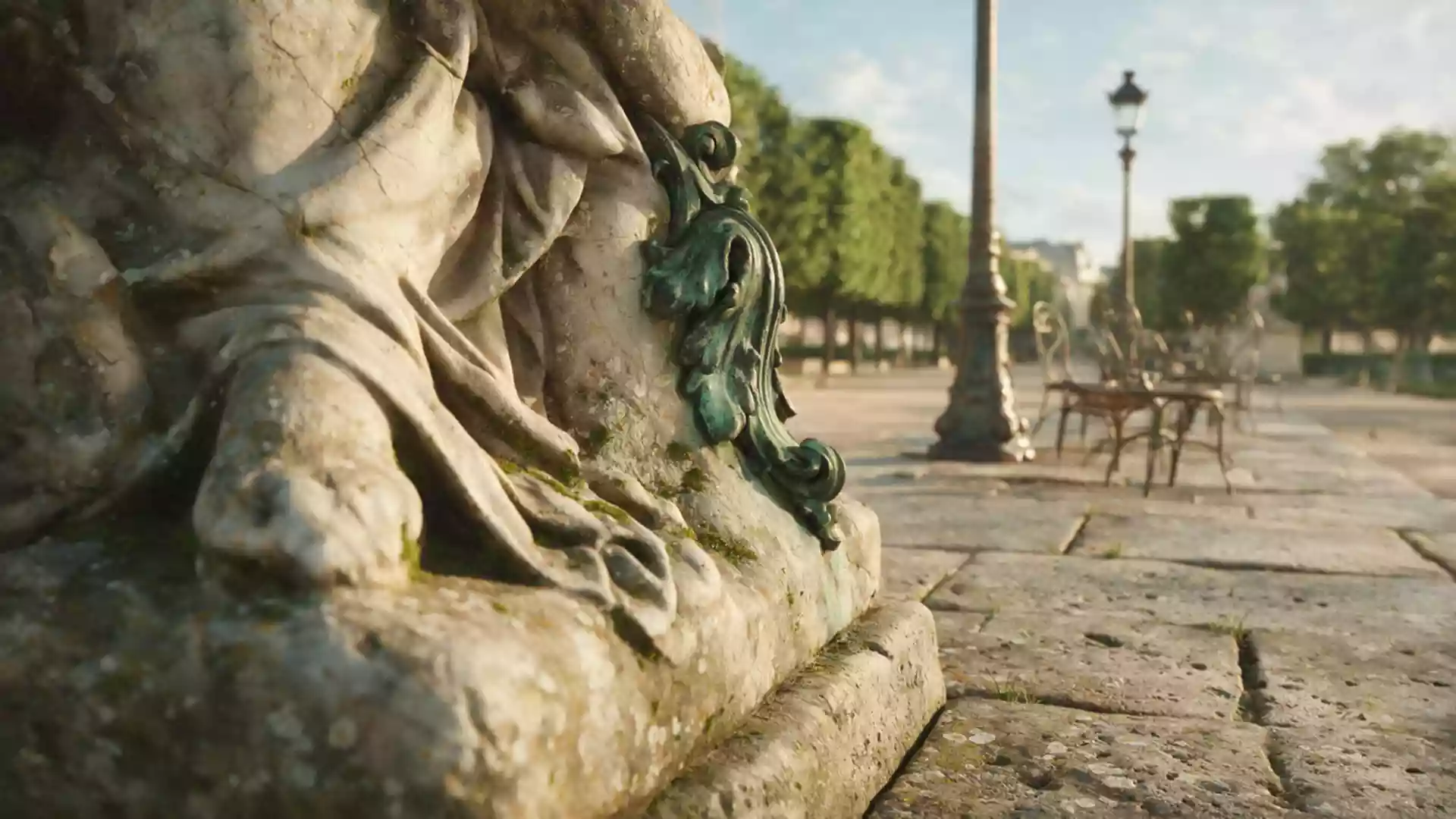
Jardin des Tuileries, a royal axis of stone and greenery in Paris
Published on 09/02/2026 at 17:11 | Editorial responsibility: Rafael Müller, Editor-in-Chief AD HOC NEWS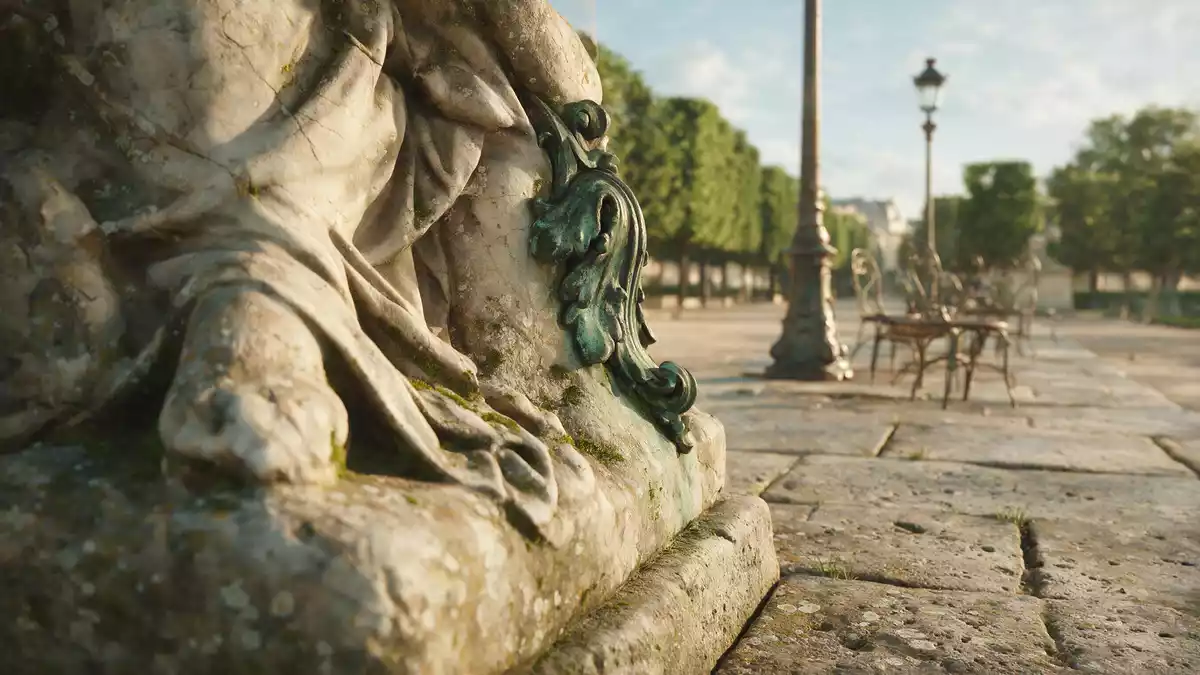
Jardin des Tuileries stretches between the Louvre and Place de la Concorde as a long, ordered carpet of gravel, grass and stone framed by Parisian streets. Created as a royal garden in the sixteenth century and redesigned in the seventeenth century, it retains a clear geometric structure that turns a walk through it into a passage along one of the city’s great east–west axes.
A royal garden reshaped by André Le Nôtre
The story of Jardin des Tuileries begins in 1564, when Catherine de’ Medici ordered a palace and garden on land outside the walls of Paris. The garden started as an Italian-style layout beside the Tuileries Palace, with compartmented flowerbeds and ornamental features that echoed the queen’s upbringing in Florence.Queen Catherine de’ Medici gave the royal residence and its grounds their name from the tile workshops that once occupied the site.
The form most visitors recognise is the result of a major redesign by André Le Nôtre, landscape gardener to Louis XIV, in 1664.Le Nôtre reworked the garden into a French formal composition, aligning its main east–west axis with the Louvre and adding terraces, lawns and water features that stretch towards the present-day Place de la Concorde. The garden became a structured extension of the palace, laid out with long allées and sightlines that still organise the space.
Geometry, gravel and water on the central axis
Walking Jardin des Tuileries means moving along a central path lined by broad gravel walks, clipped trees and pools of water. To the east, nearer the Louvre, long rectangular lawns are framed by paths and statues, while further west an octagonal basin anchors the view towards the obelisk and beyond along the historic axis.The garden’s layout in its present form dates from Le Nôtre’s seventeenth-century work and remains legible in the relationship between lawns, basins and terraces.
The surfaces underfoot are a mix of compacted gravel and paved edges, with rows of trees giving rhythm and shade along the main walks. In among the formal geometry stand classical and modern sculptures, set on plinths beside paths or near the basins, turning the garden into an open-air gallery that bridges the neighbouring Louvre and Musée de l’Orangerie.The Orangerie and a former jeu de paume building occupy the western edge, continuing the interplay between architecture and landscape.
From royal enclosure to public promenade
Jardin des Tuileries has shifted from a royal enclosure beside a palace to a public park woven into daily Parisian life. The garden was opened to a wider public in 1667, when access was granted beyond the court, and it became a fully public space after the French Revolution.It emerged as a public park as the former royal residence lost its exclusive status.
The Tuileries Palace itself was destroyed in 1871 during the Paris Commune, leaving the garden as an open foreground to the Louvre’s western façade.The palace was never rebuilt, and the lawns and gravel expanses now stand where state apartments once rose. Jardin des Tuileries forms part of the Banks of the Seine UNESCO World Heritage site, linking river, museums and monuments within a single designed landscape that has carried successive layers of French history.
Visiting Jardin des Tuileries: what travellers from Western Europe should know
- Jardin des Tuileries lies in the 1st arrondissement of Paris between the Louvre and Place de la Concorde, with entrances from Rue de Rivoli and the riverside quays.
- The terrain is largely level, with long gravel paths and wide open lawns, though some access to terraces and viewpoints involves staircases.
- Several Paris Métro stations border the garden, including Tuileries on Rue de Rivoli and Concorde near the western end, placing it within the central transport network.
- The official language is French and the currency is the euro.
Searching for Jardin des Tuileries on social platforms
These links open searches for Jardin des Tuileries on each platform.
Frequently asked questions about Jardin des Tuileries
Where is Jardin des Tuileries in Paris?
Jardin des Tuileries is in central Paris, between the Louvre and Place de la Concorde, bordered by Rue de Rivoli and the River Seine.
What should visitors expect when walking through the garden?
Visitors encounter long gravel paths, formal lawns, water basins and sculptures, laid out along a clear east–west axis that connects major Parisian landmarks.
What makes Jardin des Tuileries distinctive among Paris gardens?
Its combination of sixteenth-century royal origins, André Le Nôtre’s seventeenth-century formal redesign and its role as part of the Banks of the Seine UNESCO landscape make it a distinctive urban garden.