
Isla Holbox between jungle, lagoon and sea
Published on 09/18/2026 at 18:14 | Editorial responsibility: Rafael Müller, Editor-in-Chief AD HOC NEWS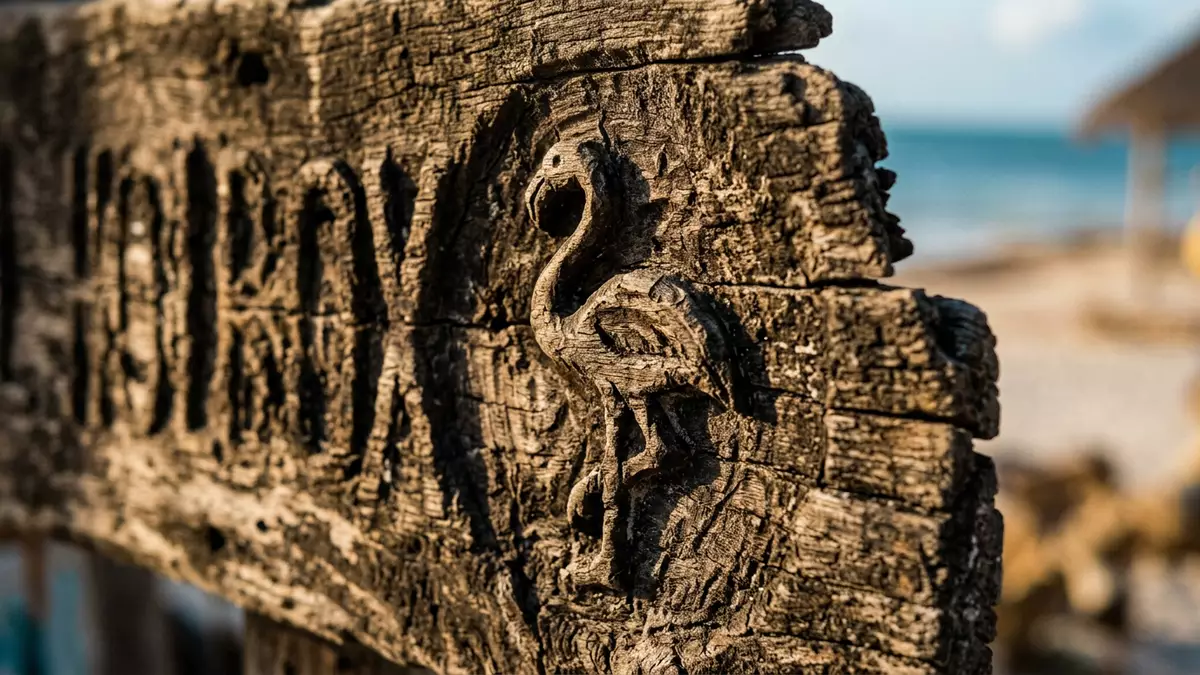
Isla Holbox is a long, low island off the northern tip of Mexico’s Yucatán Peninsula, where shallow lagoon water meets the open seas of the Gulf and Caribbean. It belongs to the state of Quintana Roo and sits within the Yum Balam biosphere reserve, which gives the island a protected status and frames almost every view with mangroves, sand and water rather than heavy development.Holbox is part of the Yum Balam Biosphere Reserve
An island shaped by sand, lagoon and mangroves
Seen on a map, Isla Holbox stretches like a thin bar of sand along the coast, separated from the mainland by a shallow lagoon dotted with birds and mangrove thickets.The island lies off the northern coast of the Yucatán Peninsula The island runs for several tens of kilometres in length yet remains only a small fraction of that in width, so sea and lagoon are never far away on either side. Along much of its length the land remains lightly built, with stretches of sand and low vegetation giving a sense of how a Caribbean sandbar looks before heavy construction.
The Yum Balam reserve covers both the island and a wider area of coastal wetlands, and this protected status keeps large parts of Holbox in a semi-natural state.Yum Balam is described as Mexico’s largest nature reserve Towards the interior, mangrove stands, shallow pools and sandy tracks dominate, while the shoreline towards the lagoon side gives views across flat, pale water dotted with birds. On the seaward side, long beaches of fine sand face the open water where the Gulf of Mexico and Caribbean Sea meet, giving Holbox its mix of calm lagoon scenes and broader coastal horizons.Isla Holbox lies where the Caribbean Sea and Gulf of Mexico meet
Holbox town: sand streets and simple waterfront
The main settlement on the island, Holbox Pueblo, runs along the western part of the sandbar, close to the ferry pier and facing the lagoon channel back towards the mainland.Holbox Pueblo runs along the western part of the island The town is compact, with low-rise buildings lining sandy or unpaved streets and small squares where shops, eateries and guesthouses cluster close together. Towards the waterfront, simple jetties and the ferry landing mark the transition from village to water, and boats lie moored in the shallows between mangrove roots and sandbanks.
Holbox’s streets lead quickly from the built-up grid to the shore, where a continuous band of beach runs in front of the town and on towards quieter stretches.Holbox is described as having fine white sand beaches Away from the central waterfront, small paths and sandy tracks thread through stands of vegetation and low dunes, connecting outlying clusters of accommodation with sections of open shore. The overall impression is of a settlement woven into the sandbar rather than standing apart from it, with views of water appearing at the end of many streets.
Wildlife, water and the meaning of “Holbox”
The name Holbox comes from Yucatec Maya and is associated with the phrase “black hole”, a reference tied to the richness of marine life around the island.Holbox means “black hole” in Yucatec Maya The surrounding waters and lagoon support birds such as flamingos and pelicans, whose presence is frequently mentioned in descriptions of the island’s wildlife.The shallow lagoon is home to flamingos and pelicans Offshore, the broader Yum Balam reserve reaches into areas where whale sharks arrive in season, and boat excursions from Holbox head into these waters when conditions and regulations permit.
On land, the protected status of Yum Balam means large tracts of Isla Holbox remain covered in low coastal vegetation and mangrove, with only a portion of the island built up around Holbox Pueblo and a scattering of accommodation further along the shore.Holbox sits inside the Yum Balam protected reserve The combination of long beaches, shallow coastal water and irregular mangrove shoreline creates varied habitats within a relatively compact area, so walks along the shore can move between open sand, still lagoon and low forest over short distances.
Visiting Isla Holbox: what travellers from Western Europe should know
- Isla Holbox lies off the northern coast of Quintana Roo, reached by passenger ferry from the small mainland port of Chiquilá, with the settlement of Holbox Pueblo close to the landing.
- The island is a narrow sandbar, and getting around involves walking on sandy streets and shore paths; surfaces can be uneven, and some stretches between accommodation and beach are on unpaved tracks.
- Much of Isla Holbox forms part of the Yum Balam biosphere reserve, so visitors encounter protected habitats such as mangroves and coastal wetlands alongside built-up areas.
- The official language is Spanish and the currency is the Mexican peso.
- Entry requirements depend on your nationality; UK travellers can check the FCDO travel advice at gov.uk/foreign-travel-advice, Irish travellers the Department of Foreign Affairs at ireland.ie.
Searching for Isla Holbox on social platforms
These links open searches for Isla Holbox on each platform.
Frequently asked questions about Isla Holbox
Where is Isla Holbox?
Isla Holbox is an island off the northern coast of Mexico’s Yucatán Peninsula, in the state of Quintana Roo, separated from the mainland by a shallow lagoon.
What can visitors expect on a visit to Holbox?
Visitors encounter a narrow sandbar island with Holbox Pueblo as the main settlement, long sandy beaches, shallow coastal waters and nearby mangroves within the Yum Balam reserve.
What makes Isla Holbox distinctive among Mexican islands?
Its combination of protected biosphere status, long narrow sandbar form and the mix of lagoon, mangrove and open sea around Holbox Pueblo gives the island a particular character.


