
Isla del Sol: terraces, trails and Inca echoes above Lake Titicaca
Published on 09/21/2026 at 07:39 | Editorial responsibility: Rafael Müller, Editor-in-Chief AD HOC NEWS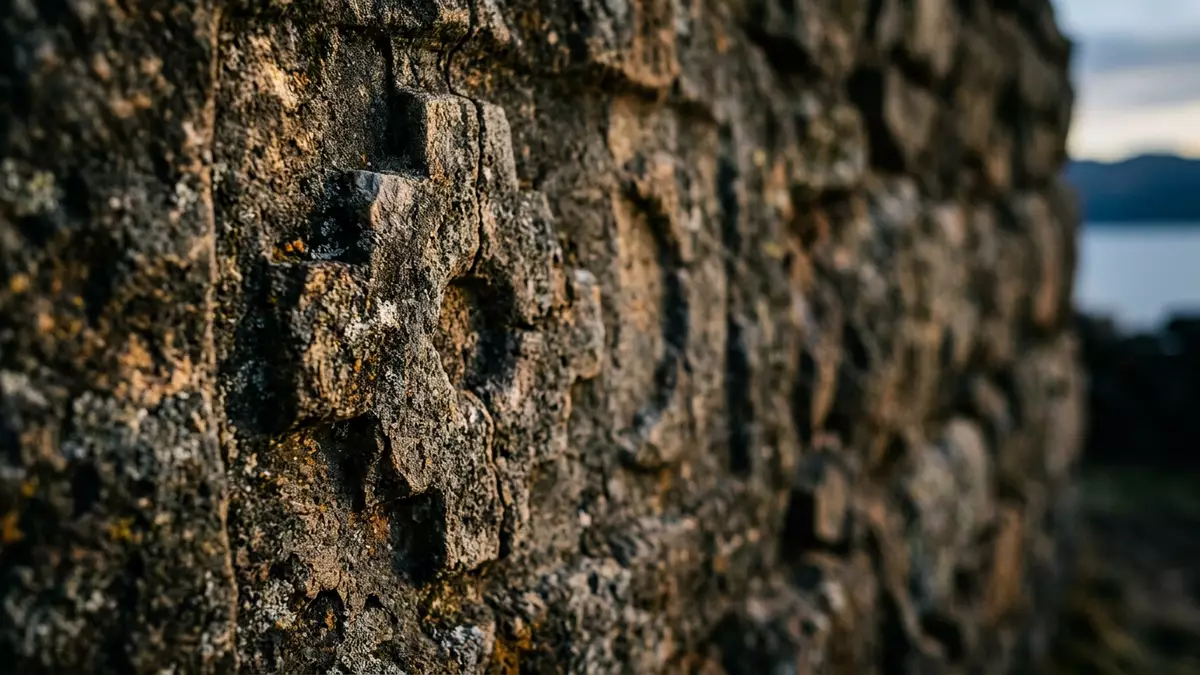
Isla del Sol is a rocky, terraced island rising from the southern part of Lake Titicaca, off the Bolivian lakeside town of Copacabana, where stone paths, small communities and Inca-era ruins share a high-altitude landscape shaped by agriculture and pilgrimage over many centuries.
Lake island at the roof of the Andes
Isla del Sol lies in the Bolivian sector of Lake Titicaca, within the La Paz Department, a short boat journey away from Copacabana on the lake’s southern shore.Bolivian sector of Lake Titicaca The island sits in the Altiplano region of the Andes at an elevation that places its slopes and ridges well above 3,800 m (12,467 ft), with lake level and nearby peaks together creating a broad horizon of water and mountains.Altiplano region of Bolivia
In outline Isla del Sol is elongated from north to south, with a length of around 9 to 10 km and a width of several kilometres, giving it a surface area of about 14.3 km² that makes it the largest island on Lake Titicaca.largest island on Lake Titicaca The shoreline alternates between small bays and steeper slopes, while the interior is marked by ridges, shallow valleys and long sequences of agricultural terraces that follow the contours of the ground and step down towards the water.rugged terrain and agricultural terraces
Communities and terraces on a car-free island
The island is home to Aymara-speaking communities whose houses and paths spread across the slopes in small clusters rather than in a single compact town.Aymara-speaking communities Three named settlements structure daily life: Yumani on the southern side, Cha’lla roughly in the centre, and Challapampa in the north, each connected by footpaths that rise and fall with the terrain and pass fields, animal pens and small piers.Yumani, Cha’lla and Challapampa
No public road network crosses Isla del Sol and motor traffic is absent from the interior, so movement takes place along stone-paved alleys, stepped paths and earth tracks used by residents and visitors alike.small, car-free island Agricultural terraces, built in long horizontal bands, are a defining visual feature: their masonry edges retain soil on the steep slopes and create narrow plots where crops are planted in rows, leaving voids between cultivated bands that disclose the underlying rock and apply a stepped rhythm to the hillsides.terraced agriculture
Archaeological trails and Inca-era ruins
Isla del Sol carries archaeological remains that document continuous human occupation from around 2200 BCE through Andean formative periods into the Tiwanaku era and the fifteenth-century expansion of the Inca Empire.continuous human occupation from around 2200 BCE Among the many sites, Chincana on the northern side preserves the outline of an Inca settlement with masonry structures traditionally dated to the fifteenth century, associated with the reign of the Inca emperor Topa Inca Yupanqui.Chincana ruins and Topa Inca Yupanqui
Accounts of Andean mythology link Isla del Sol with the sun and moon and with figures such as Manco Cápac and Mama Uqllu, placing the island in narratives about the origins of the Inca civilisation and the emergence of celestial bodies from Lake Titicaca.Inca mythology on Lake Titicaca The island’s status as an Inca pilgrimage centre is reflected in the number of ruins, rock shelters and ceremonial sites recorded by archaeologists, with estimates mentioning more than 80 separate archaeological locations concentrated especially along the ridges and north shore.over 80 ruins primarily from the Inca period
Visiting Isla del Sol: what travellers from Western Europe should know
- Isla del Sol lies off Copacabana on the Bolivian shore of Lake Titicaca, and travellers reach it by boat departing from the town’s lakeside pier.
- The island’s paths climb steeply from the shoreline, and many routes involve long stairways or stony tracks at high altitude, so walking requires steady footing and unhurried pacing.
- The island is in Bolivia, where the official language is Spanish and the currency is the Boliviano.
- Entry requirements depend on your nationality; UK travellers can check the FCDO travel advice at gov.uk/foreign-travel-advice, Irish travellers the Department of Foreign Affairs at ireland.ie.
Searching for Isla del Sol on social platforms
These links open searches for Isla del Sol on each platform.
Frequently asked questions about Isla del Sol
Where is Isla del Sol located?
Isla del Sol is an island in Lake Titicaca in the La Paz Department of Bolivia, reached by boat from the town of Copacabana on the southern shore.
What can travellers expect on a visit?
Visitors encounter high-altitude terrain with terraced slopes, stone paths and small lakeside communities, alongside archaeological sites from pre-Columbian and Inca periods scattered across the island.
What makes Isla del Sol distinctive among Andean destinations?
The combination of Lake Titicaca’s expanse, continuous human settlement since the second millennium BCE and the concentration of Inca ruins on a car-free island gives Isla del Sol a particular character within the Bolivian Altiplano.


