
Isla del Sol: Lake Titicaca’s sacred ridge above Copacabana
Published on 08/16/2026 at 13:06 | Editorial responsibility: Rafael Müller, Editor-in-Chief AD HOC NEWS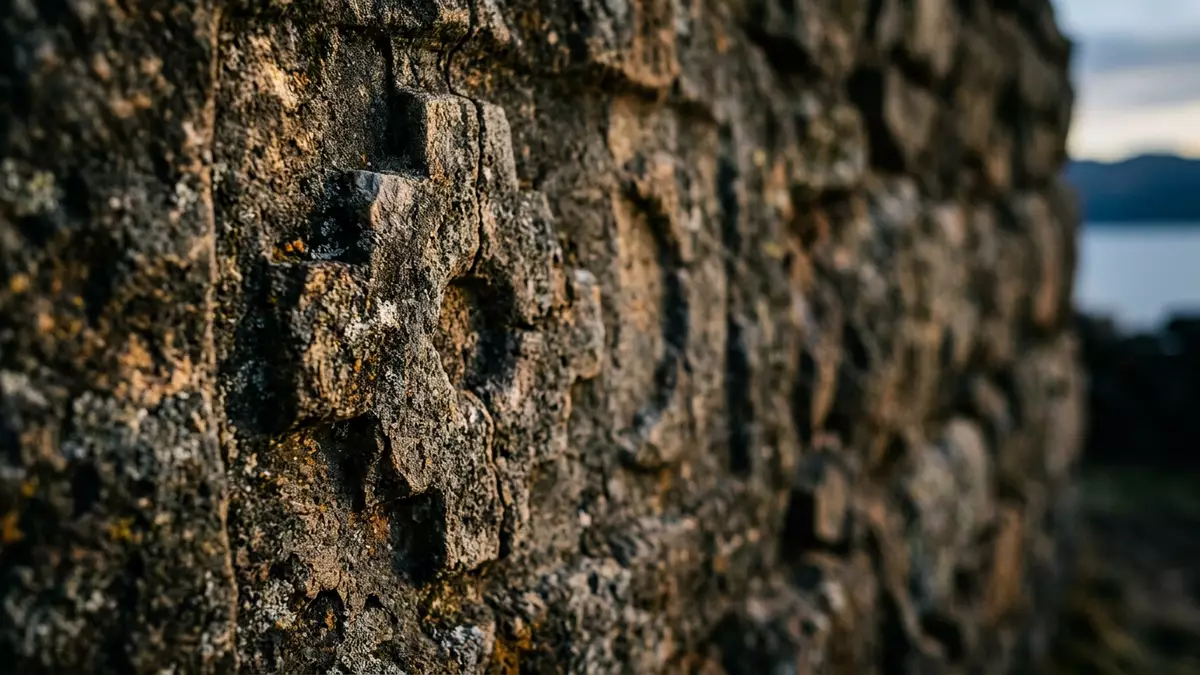
On Lake Titicaca off the Bolivian shore at Copacabana, Isla del Sol stretches as a long, rocky ridge lined with small Aymara villages and scattered pre-Columbian ruins. The island lies in the department of La Paz and forms part of the municipality of Copacabana on the Manco Kapac Peninsula, giving travellers a compact landscape where history, lake views and terraced slopes sit side by side.municipality of Copacabana
An Andean island shaped by lake and ridge
Isla del Sol occupies a position in the southern part of Lake Titicaca, a high-altitude lake shared by Bolivia and Peru. The island is described as the largest on Lake Titicaca, extending for roughly 9.6 km in length with a width of about 4.6 km, and covering a surface close to 14 km², so walking its spine feels like crossing a small world of its own.largest island in Lake Titicaca
The terrain rises from lakeside coves up towards a central ridge, with slopes cut into terraces that are used for agriculture. The lake itself lies at an elevation of around 3,810 m (12,500 ft), and the higher points on Isla del Sol approach about 4,050 m (13,300 ft), giving the island a markedly highland character.lake elevation and island heights The views from the ridge reach across the water to nearby peninsulas and, on clear days, towards distant snow-capped peaks.
Aymara communities and terraces on the “Island of the Sun”
The name Isla del Sol, “Island of the Sun”, reflects both its position on the open lake and its longstanding sacred associations. The island is home to Aymara-speaking communities whose ancestors have inhabited the wider Titicaca basin for millennia, and who now live in villages strung along the shore and slopes.Aymara-speaking communities
Three principal settlements mark the island: Yumani towards the south, Cha'lla in the central part of the coast, and Challapampa in the north.three principal settlements Houses cluster around piers and steep footpaths, and above them terraces support crops on narrow bands of earth retained by stone walls. Walking between the communities, travellers pass small fields, grazing areas and stone steps, with the lake appearing and disappearing between ridges.
Archaeological remains and deep time on Lake Titicaca
Beneath the present villages and terraces lies a long archaeological record. Excavations and surveys have identified more than 80 ruin sites on Isla del Sol, many dating to the fifteenth century AD and associated with the Inca period, when the island held particular ritual significance.over 80 ruins
Evidence of human occupation reaches far further back than the Incas. Archaeologists have traced habitation to at least the third millennium BC, with Early, Middle and Upper Formative phases running from around 1800 BC to about AD 500.Formative-period occupation These layers sit alongside later structures, such as Inca-era temples and ritual platforms, so that a walk across the island brings travellers past stones set in place across several thousand years.
Visiting Isla del Sol: what travellers from Western Europe should know
- Isla del Sol lies off the southern shore of Lake Titicaca in Bolivia, reached by boat from the town of Copacabana, which serves as the main departure point on the Manco Kapac Peninsula.
- The island rises above lake level, so approaches from the piers often involve steep stairways and sloping paths across terraces, with prolonged walking at an elevation above 3,800 m (12,467 ft).
- The official language is Spanish and the currency is the Bolivian boliviano.
- Entry requirements depend on your nationality; UK travellers can check the FCDO travel advice at gov.uk/foreign-travel-advice, Irish travellers the Department of Foreign Affairs at ireland.ie.
Searching for Isla del Sol on social platforms
These links open searches for Isla del Sol on each platform.Frequently asked questions about Isla del Sol
Where is Isla del Sol located?
Isla del Sol is a Bolivian island on Lake Titicaca, lying off the Manco Kapac Peninsula near the town of Copacabana in the department of La Paz.
What can travellers expect on a visit?
Travellers encounter steep paths, agricultural terraces, small Aymara villages and scattered archaeological ruins, with broad views across Lake Titicaca from the island’s ridge.
What makes Isla del Sol distinctive among Lake Titicaca’s islands?
Its combination of long ridge topography, status as the largest island on Lake Titicaca and concentration of Inca-period and earlier ruins gives it a particular character.


