
Isla del Sol: an Andean island of terraces and ruins
Published on 09/19/2026 at 18:57 | Editorial responsibility: Rafael Müller, Editor-in-Chief AD HOC NEWS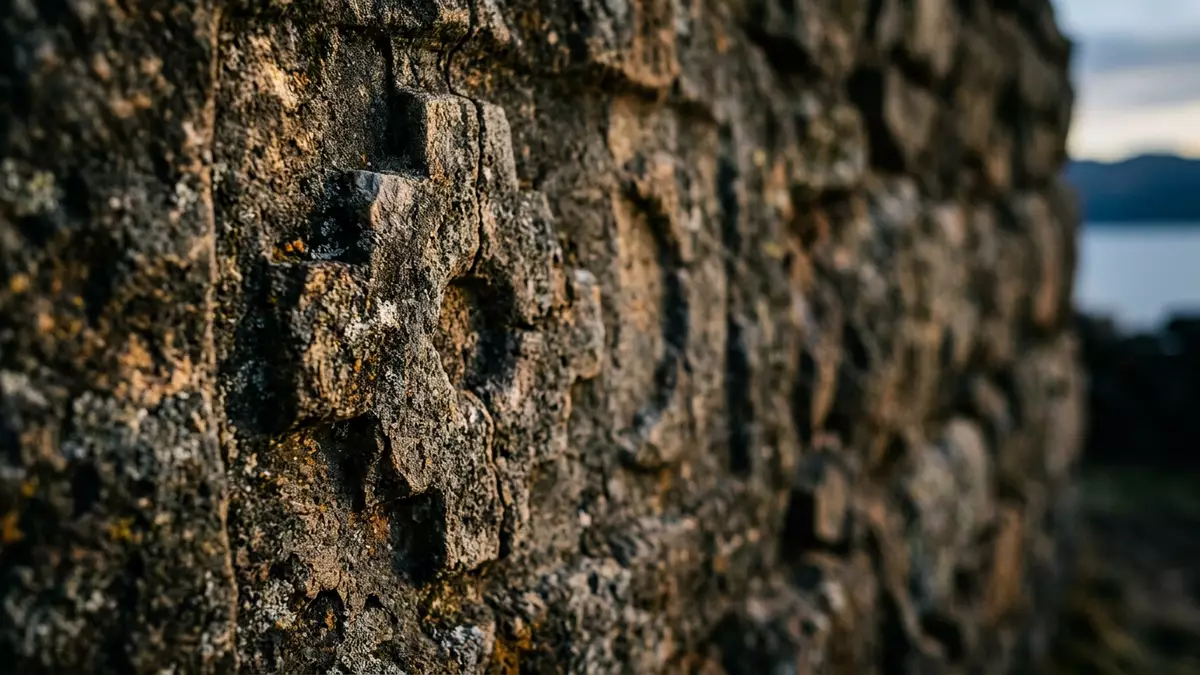
On the Bolivian side of Lake Titicaca, opposite the low hills of Copacabana, Isla del Sol lifts out of the water as a long ridge of stone, terraces and scattered villages. It forms part of the La Paz Department and has been a centre of settlement and ritual in the Andes for millennia, with archaeological evidence of human presence reaching back to the second millennium BCE.
Terraced slopes above the high lake
Isla del Sol lies in the southern sector of Lake Titicaca, a vast high-altitude lake shared between Bolivia and Peru and surrounded by the broader Andes range.Island of the Sun The island extends for roughly 10 km in length and a few kilometres in width, forming the largest island in these waters and giving it a prominent outline when seen from the Copacabana peninsula.largest island of the lake
The slopes rise steeply from the shoreline into a spine of ridges, cut across by agricultural terraces that step down towards the water in narrow bands of stone and earth. These terraces shape much of the landscape on Isla del Sol, enclosing small plots and paths and tracing the contours of the hill in parallel lines. Between them lie fields, stone walls and footpaths linking the island’s settlements.
Communities and routes across the ridge
The island is car-free, and movement between its settlements relies on boats along the shore and footpaths over the ridge. Three main communities trace a loose line from south to north: Yumani on the southern slopes, Cha’lla roughly in the central section, and Challapampa at the northern end.three indigenous communities Each settlement clusters simple buildings, local shops and small accommodation around piers or paths, with tracks spreading out into the terraced countryside.
Views along the crest path link these communities, with the lake visible on both sides and the snow-capped Cordillera Real sometimes discernible on clear days beyond the water. The ridge walks pass grazing areas, fields, stone markers and occasional viewpoints, giving a continuous sense of height above the lake. Approaches from the shore climb stairways and sloping tracks, and the combination of elevation over 3,800 m (12,500 ft) and gradients on the paths lends walking on Isla del Sol a distinctly highland character.lake level altitude
Archaeological traces of Andean civilisations
Beyond the terraces and paths, Isla del Sol is known for its concentration of archaeological sites, with more than eighty documented locations spread across the ridge and slopes.over 80 archaeological sites Excavations and surveys indicate continuous or repeated human occupation from at least around 2,200 BCE, with material linked to early Formative cultures, later Tiwanaku influence and well-preserved remains from the fifteenth-century Inca period.evidence from 2200 BCE
On the northern part of the island the Chincana complex preserves a network of stone structures attributed to the Inca era, while elsewhere shrines, carved rocks and ritual areas point to the island’s role as a major pilgrimage centre. Inca traditions connect Isla del Sol with origin stories of the sun and the founders of the empire, a reflection of the island’s position within Andean cosmology rather than a single historical event.Chincana ruins and mythology Walking among these sites, the contrast between living villages, working terraces and ancient walls gives the island the feel of a layered landscape where successive cultures have left traces without erasing those before them.
Visiting Isla del Sol: what travellers from Western Europe should know
- Isla del Sol lies in Lake Titicaca just north-west of the Copacabana peninsula in Bolivia, and the island is reached by boat services departing from Copacabana’s lakeside.
- Terrain on the island involves sustained uphill and downhill walking on stone steps and earth paths at high altitude, and many routes between settlements follow ridges rather than level shorelines.
- The island belongs to the La Paz Department in Bolivia, where the official language is Spanish and the currency is the Boliviano.
- Entry requirements depend on your nationality; UK travellers can check the FCDO travel advice at gov.uk/foreign-travel-advice, Irish travellers the Department of Foreign Affairs at ireland.ie.
Searching for Isla del Sol on social platforms
These links open searches for Isla del Sol on each platform.
Frequently asked questions about Isla del Sol
Where is Isla del Sol located in relation to Copacabana?
Isla del Sol lies in the Bolivian sector of Lake Titicaca, just north-west of the Copacabana peninsula, forming part of La Paz Department.
What can visitors expect on a visit to Isla del Sol?
Visitors encounter terraced slopes, stone paths between small communities and numerous visible archaeological sites, all set above the high waters of Lake Titicaca.
What makes Isla del Sol distinctive among Lake Titicaca’s islands?
Its combination of being the lake’s largest island, its long-standing role as a ritual centre and its extensive terraces and Inca-era ruins gives Isla del Sol a singular Andean character.


