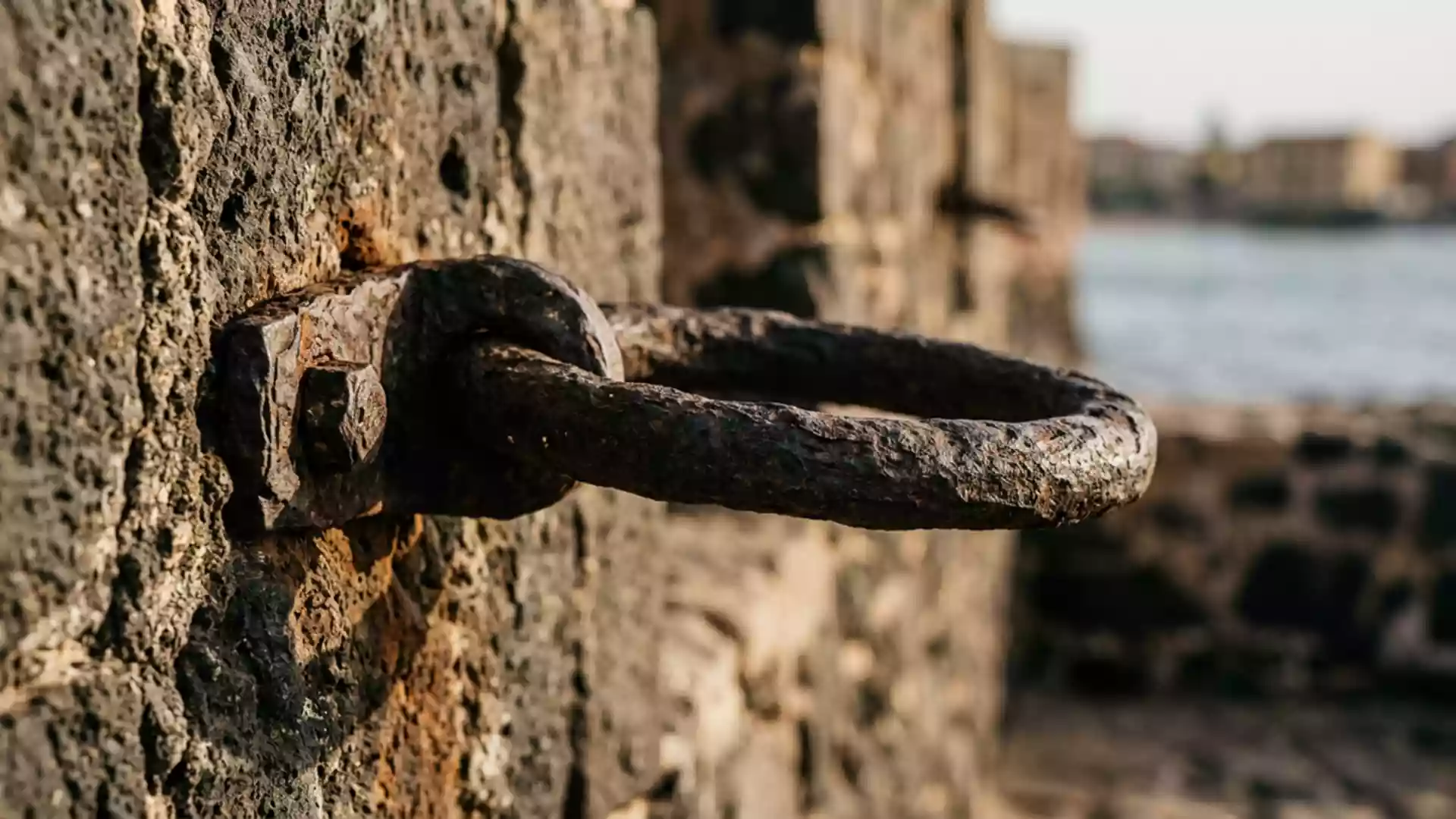
Ile de Goree, Dakar’s Atlantic island of memory
Published on 09/12/2026 at 06:58 | Editorial responsibility: Rafael Müller, Editor-in-Chief AD HOC NEWS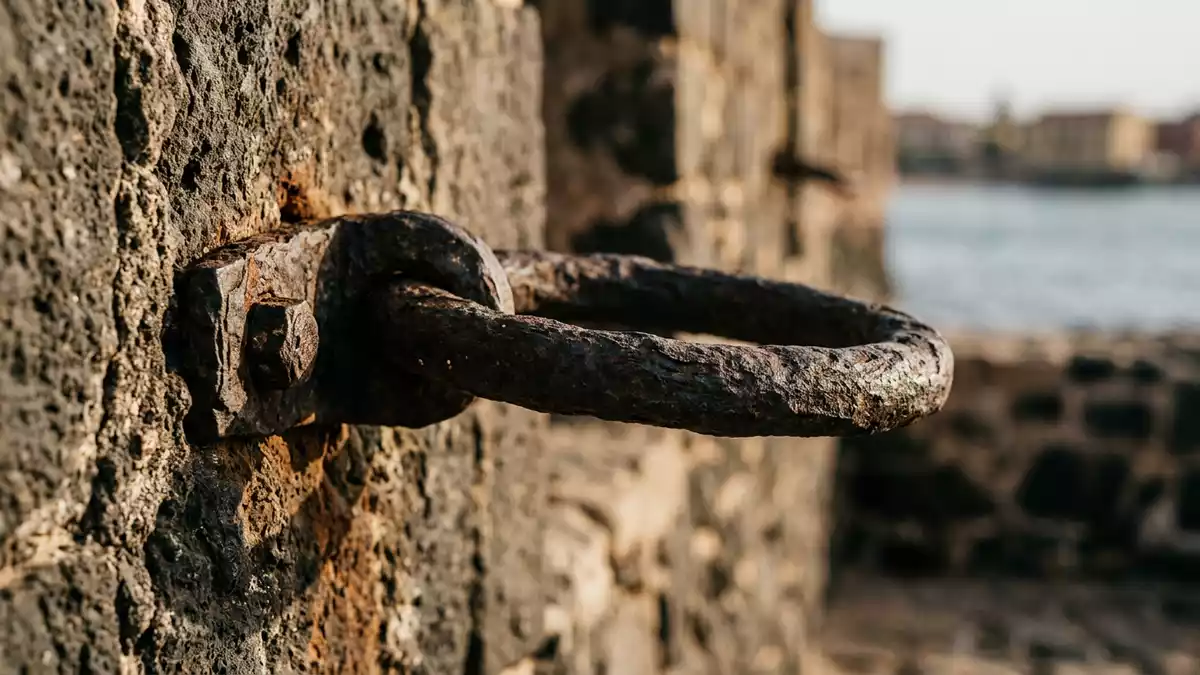
Ile de Goree off Dakar in Senegal is a small Atlantic island where dense streets, stone houses and coastal fortifications concentrate centuries of Atlantic trade and slavery in a confined space.The island of Gorée lies off the coast of Senegal, opposite Dakar and was shaped by successive Portuguese, Dutch, English and French rule between the fifteenth and nineteenth centuries.Gorée Island was first visited in 1444 by Portuguese sailors
An island shaped by empire and the Atlantic
Ile de Goree sits just off the Cape Verde Peninsula, a short distance from central Dakar, and forms one of the communes of the Senegalese capital.The island covers roughly 18.2 hectares in the bay of Dakar, close enough that the city’s skyline forms a constant backdrop to low-rise houses and waterfront walls.Gorée Island lies just south of the Cape Verde Peninsula
From the fifteenth century, European powers used Ile de Goree as a foothold on West Africa, with Portuguese navigators arriving in 1444 and later fortifying the island.Portuguese sailors under Dinís Dias were among the first Europeans to land here in 1444 and the island then passed through Dutch and English hands before French control was established in the seventeenth century.By 1677 the French had secured Gorée after earlier Portuguese, Dutch and English occupations
Streets, forts and the Maison des Esclaves
Walking the compact grid of Ile de Goree means moving between pastel-coloured houses, former warehouses and defensive works that once faced Atlantic swells and anchored ships.UNESCO highlights the contrast between slave quarters and elegant traders’ houses on the island, a contrast still readable in the muscular masonry facing the water and the more refined façades lining inner streets.
Among the most visited buildings is the Maison des Esclaves, a late eighteenth-century house whose seafront façade and internal cells embody the island’s role in human trafficking.The Maison des Esclaves was built in 1776 and is regarded as the last slave house constructed on Gorée and today serves as a museum dedicated to the Atlantic slave trade.Historical studies describe the Maison des Esclaves as an eighteenth-century building that has become a major site of memory for slavery
World Heritage and a place of remembrance
Ile de Goree is inscribed on the UNESCO World Heritage List, recognised as a key site in the history of the transatlantic slave trade and as a place of memory.UNESCO added the Island of Gorée to its World Heritage list in 1978 and describes how, from the fifteenth to the nineteenth centuries, it became a major centre for trading enslaved Africans along the Atlantic coast.UNESCO characterises Gorée as a reminder of human exploitation and a sanctuary for reconciliation
The island’s streets carry this layered remembrance, with the Maison des Esclaves, military forts, squares and memorials marking different aspects of forced migration.Accounts of Gorée describe up to 28 slave houses operating here and underline its role in supplying slaves to the Americas and the historic deports from the island towards the Caribbean and Brazil.Gorée is widely associated with the Atlantic slave trade and remains a destination focused on that history
Visiting Ile de Goree: what travellers from Western Europe should know
- Ile de Goree lies just off Dakar on the Atlantic coast, reached by passenger boats that connect the island with the city’s harbour.
- The island’s streets and seafronts are largely pedestrian, with stone steps, uneven cobbles and short slopes linking quays, houses and viewpoints.
- Fortifications and former military structures stand on higher ground above the residential quarters, reached by walking paths that gain modest height from the landing quays.
- The official language is French and the currency is the West African CFA franc.
- Entry requirements depend on your nationality; UK travellers can check the FCDO travel advice at gov.uk/foreign-travel-advice, Irish travellers the Department of Foreign Affairs at ireland.ie.
Searching for Ile de Goree on social platforms
These links open searches for Ile de Goree on each platform.Frequently asked questions about Ile de Goree
Where is Ile de Goree located in relation to Dakar?
Ile de Goree lies just off the bay of Dakar on the Atlantic coast, a small island situated a short boat ride from the city’s main harbour.
What can visitors expect when walking around Ile de Goree?
Visitors encounter narrow streets, stone houses, small squares, coastal fortifications and the Maison des Esclaves, all within a compact area that can be explored on foot.
What makes Ile de Goree distinctive among Atlantic islands?
The combination of layered colonial architecture, its historic role in the Atlantic slave trade and its inscription as a UNESCO World Heritage Site gives Ile de Goree a particular memorial character.