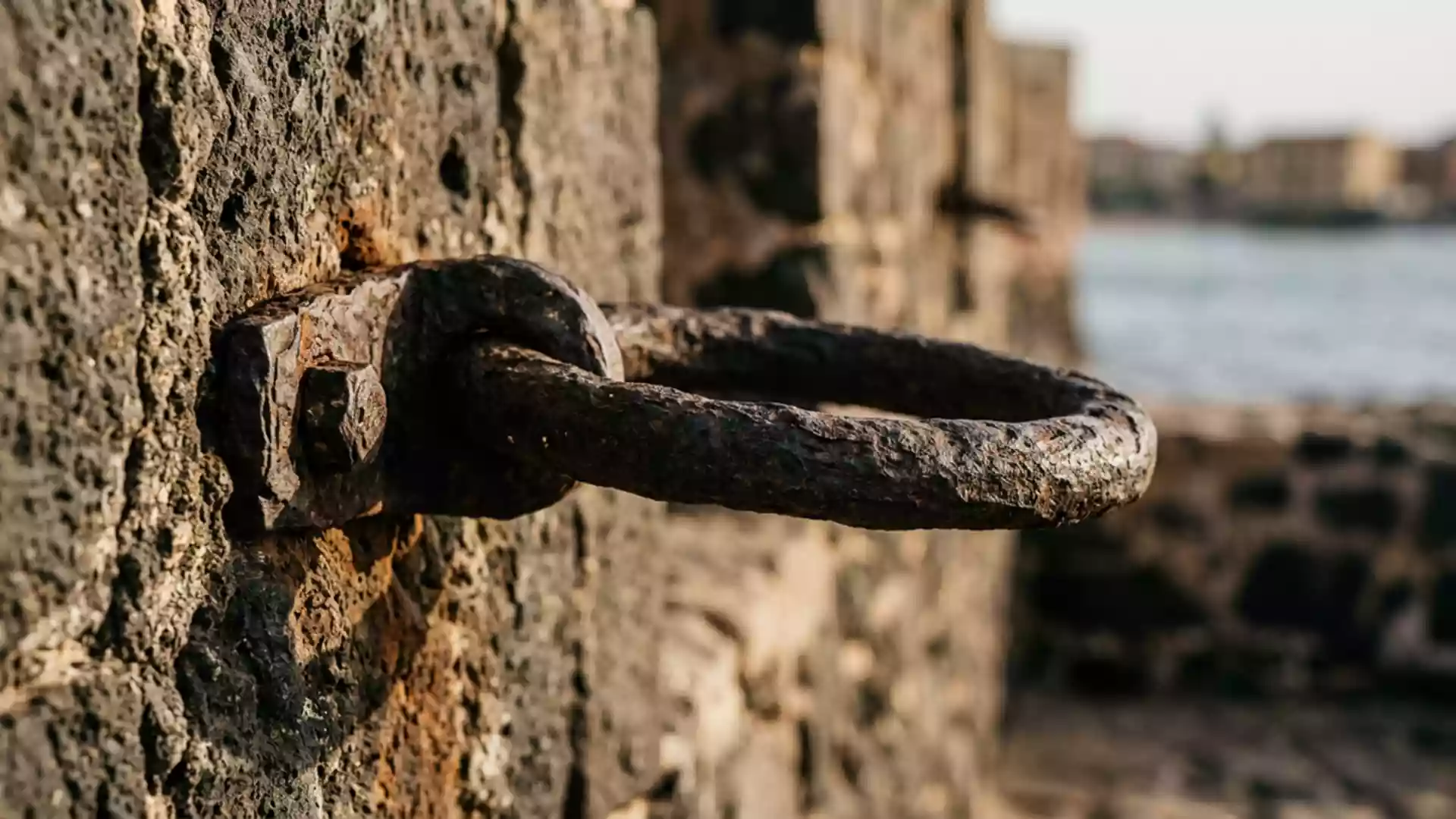
Ile de Goree and its ring of memory in Dakar
Published on 09/05/2026 at 09:57 | Editorial responsibility: Rafael Müller, Editor-in-Chief AD HOC NEWS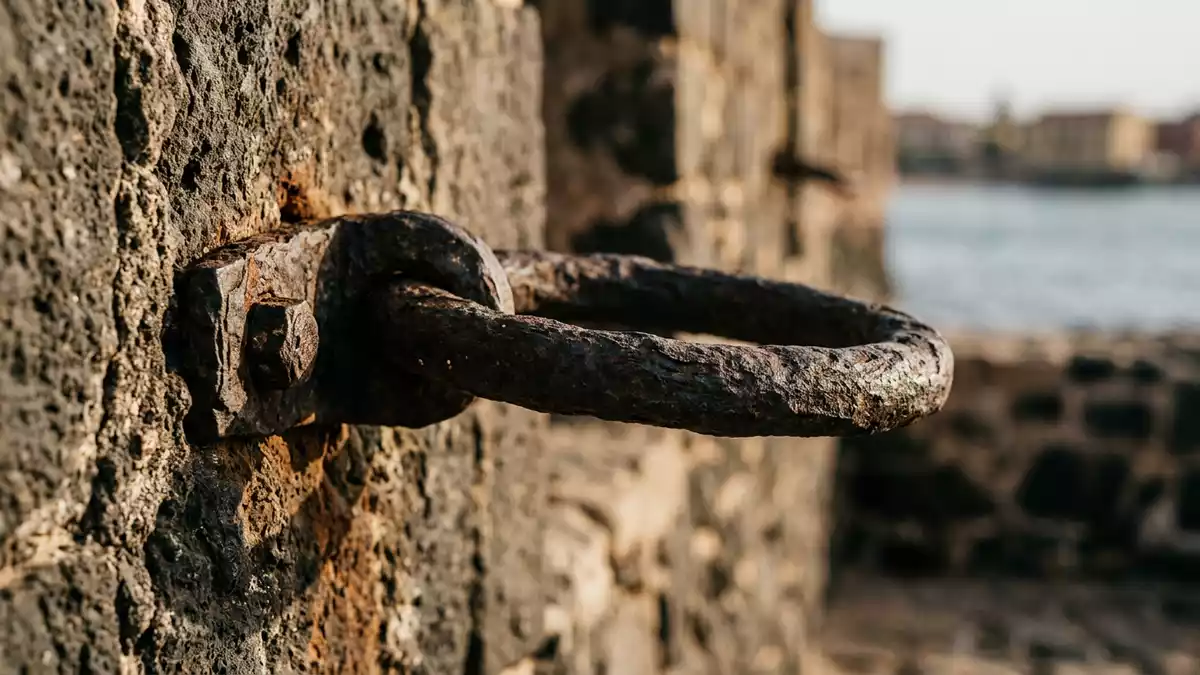
Ile de Goree is a compact island off Dakar, marked by low relief, stone streets and a built fabric tied to Atlantic history. Its World Heritage inscription in 1978 places it among Senegal’s most recognisable historic landscapes.
A small island with a dense historical frame
The island lies opposite Dakar and belongs to the city’s municipal fabric, rather than sitting apart from it. Its name appears in French as Île de Gorée, and the island is known in English as Gorée Island.
The place is associated with the Atlantic slave trade and with the European powers that controlled it in succession, including the Portuguese, Dutch, English and French. That layered history remains visible in the mix of forts, houses and narrow lanes.
Forts, houses and the island’s built contrast
The strongest impression comes from the contrast between military structures and domestic buildings. Fort d’Estrées, the House of Slaves and older houses form a small but dense urban landscape, with streets that rise and fall across the island.
The House of Slaves is the most widely known building on the island and the one most closely linked with remembrance of transatlantic slavery. The island’s heritage status, confirmed by its 1978 inscription, reflects that historical weight as well as its surviving architecture.World Heritage inscription
Memory, landscape and the island’s scale
Ile de Goree is small enough for its streets, courtyards and shoreline to be read as one ensemble. The volcanic origin of the island gives it a compact landform, with the sea always close at hand.volcanic rock
The island’s meaning comes from both material and history. Its inscription in 1978, its association with the slave trade and its preserved buildings make it a place of memory as much as a historic quarter.inscribed in 1978
Visiting Ile de Goree: what travellers from Western Europe should know
- Ile de Goree lies off Dakar, reached by ferry from the mainland. The crossing links the island with the Senegalese capital and its harbour area.
- The island’s streets, steps and uneven ground reflect its compact volcanic terrain. Comfortable footwear makes sense on the steeper lanes and stone surfaces.
- The official language is French and the currency is the West African CFA franc.
- Because the island is inside Senegal, entry requirements depend on your nationality; UK travellers can check the FCDO travel advice at gov.uk/foreign-travel-advice, Irish travellers the Department of Foreign Affairs at ireland.ie.
Searching for Ile de Goree on social platforms
These links open searches for Ile de Goree on each platform.
Frequently asked questions about Ile de Goree
Where is Ile de Goree?
Ile de Goree lies off Dakar on Senegal’s Atlantic coast. It forms part of the city and sits opposite the mainland harbour.
What does a visit involve?
The island combines short ferry access, stone lanes and a compact historic centre. Its main buildings and courtyards can be read as a small urban landscape.
What makes Ile de Goree distinctive?
Its World Heritage status, its links to the Atlantic slave trade and its preserved colonial-era architecture define the island. The result is a place where history is carried by streets, houses and forts.