
Hobbiton Movie Set and the Shire built into Waikato farmland
Published on 09/23/2026 at 22:20 | Editorial responsibility: Rafael Müller, Editor-in-Chief AD HOC NEWS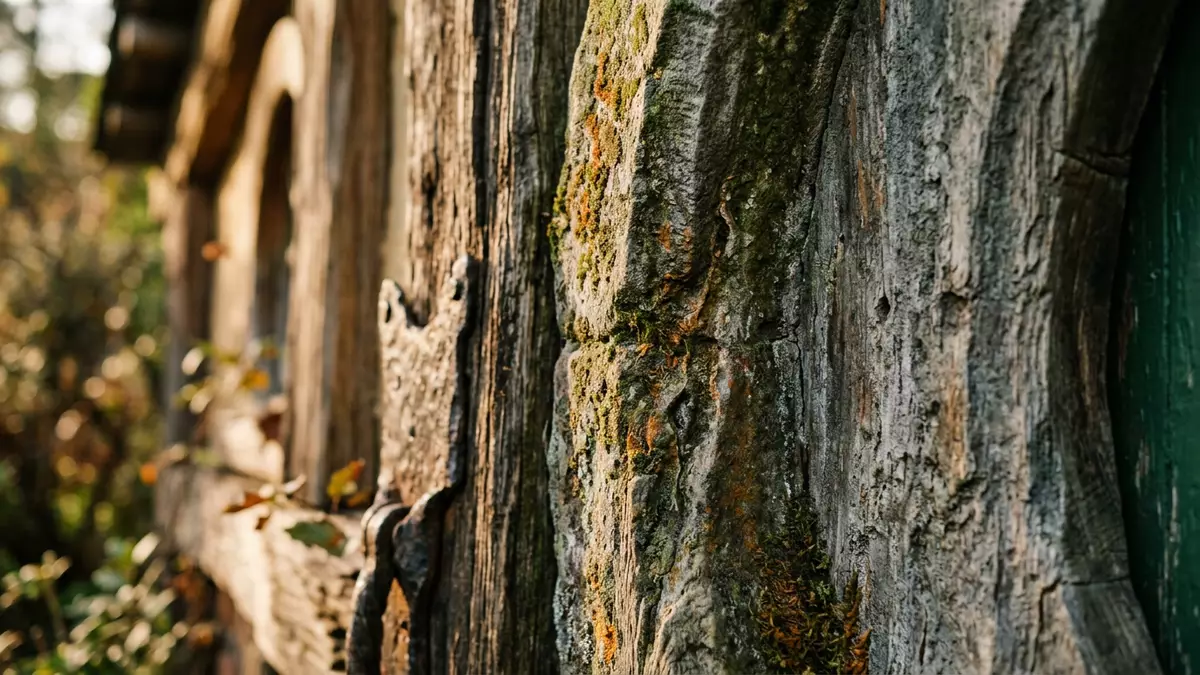
Hobbiton Movie Set spreads across green farmland near Matamata, with round-doored hillside homes, clipped hedges, a mill, a bridge and the Green Dragon Inn. The visible landscape served as Hobbiton in Peter Jackson’s film trilogies, then became a permanent attraction with the appearance of a small rural settlement.
Hobbiton Movie Set: a film landscape in Waikato
The set lies on the Alexander family farm in the Waikato region of New Zealand’s North Island. Its grass-covered hills, ponds and farm buildings form the setting used for the Shire in The Lord of the Rings and The Hobbit films. The location is about 10 kilometres south-west of Matamata, near Hinuera, and remains part of a working rural landscape.
Peter Jackson’s location search reached the farm in 1998. Construction began in 1999, and the first Hobbiton was assembled with temporary materials for The Lord of the Rings trilogy. The work included hobbit-hole façades, gardens, hedges, a mill and a double-arched bridge. Hobbiton’s early history belongs to this period.
From temporary façades to permanent hobbit holes
The first structures were not intended as lasting buildings. After filming, much of the set was removed, leaving a smaller group of façades on the farm. The surviving pieces became the basis for organised visits, which began in 2002.
For The Hobbit trilogy, the site was rebuilt in a more durable form during the early 2010s. Timber, concrete, brickwork, planting and weathered surfaces replaced the temporary appearance of the first production. The rebuilt landscape retained recognisable locations from the films while becoming a preserved visitor setting. The permanent reconstruction is visible in the finished façades, paths and gardens.
Bag End, the Party Tree and the Green Dragon
Hobbiton’s clustered homes sit beside planted gardens and narrow paths. Bag End occupies a hillside above Bagshot Row, while other doors appear in different sizes and colours. Their varied proportions formed part of the visual language used for hobbits, dwarves and human-scale characters.
The Party Tree stands beside the water, and the Green Dragon Inn occupies the settlement near the mill and bridge. These named locations connect the physical landscape with scenes from the six films. The set also includes the Shire’s Rest visitor centre, while the site itself covers about 5.5 hectares. The set’s named locations include Bag End, Bagshot Row, the Party Tree and the Green Dragon Inn.
Visiting Hobbiton Movie Set: what travellers from Western Europe should know
- Hobbiton Movie Set is at 501 Buckland Road, near Matamata in Waikato. The Matamata i-SITE and local roads provide access to the farm, while regional travel connects Matamata with the wider North Island.
- The setting is rural farmland with sloping grassland, planted gardens and walking paths. The route passes between hillside façades, water, the mill and the Green Dragon Inn.
- The official language is English and the currency is the New Zealand dollar.
- New Zealand lies outside the European Union, and entry requirements depend on nationality. UK travellers can check the FCDO travel advice at gov.uk/foreign-travel-advice, Irish travellers the Department of Foreign Affairs at ireland.ie.
Searching for Hobbiton Movie Set on social platforms
These links open searches for Hobbiton Movie Set on each platform.
Frequently asked questions about Hobbiton Movie Set
Where is Hobbiton Movie Set?
Hobbiton Movie Set is on the Alexander family farm near Matamata in the Waikato region of New Zealand’s North Island. The site lies south-west of Matamata, near Hinuera.
What can visitors see there?
The landscape includes hobbit holes, Bag End, Bagshot Row, the Party Tree, the mill, the double-arched bridge and the Green Dragon Inn. Paths cross planted gardens and the farm’s rolling grassland.
What makes Hobbiton distinctive?
The site combines a preserved film set with a working rural landscape. Its permanent façades and planted details present the Shire as a physical place rather than a studio interior.


