
Historisch Centrum van Brugge as a medieval brick and water cityscape
Published on 09/12/2026 at 08:28 | Editorial responsibility: Rafael Müller, Editor-in-Chief AD HOC NEWS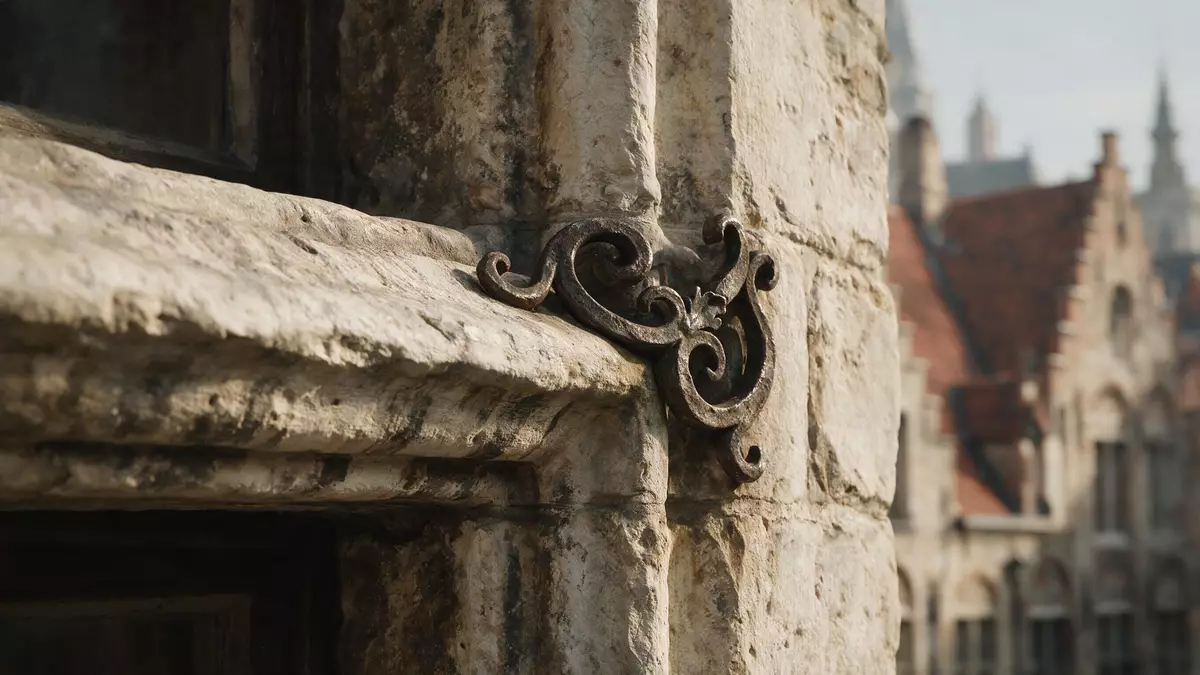
Historisch Centrum van Brugge is the medieval core of Brügge in Belgium, a compact inner city where brick buildings, canals and market squares form a continuous historic fabric. Within the old city limits the preserved street pattern and waterfronts reflect Bruges’ development as a major trading and artistic centre in the late medieval period, recognised as the Historic Centre of Brugge on the UNESCO World Heritage List since 30 November 2000.
Brick Gothic architecture in a preserved medieval street pattern
The identity of Historisch Centrum van Brugge rests on its brick Gothic architecture woven into a street pattern that dates back to the city’s commercial peak in the thirteenth and fourteenth centuries. The UNESCO inscription describes Brugge as an outstanding example of a medieval historic settlement that has maintained its historic fabric as it evolved over the centuries, with original Gothic constructions forming part of the town’s character.medieval historic settlement Walking through the centre means moving between brick frontages, stepped gables and pointed church towers that rise above canals and small squares, a cityscape that still reflects the trading era rather than a later grid.
Brick Gothic in Bruges is closely linked with the wider development of Gothic architecture in northern Europe, adapted to the materials and techniques available in Flanders. The nomination and national summaries highlight how the historic centre demonstrates the influence of brick Gothic and innovative artistic currents from early Netherlandish painting, with Bruges described as a birthplace of the Flemish Primitives associated with Jan van Eyck and Hans Memling.birthplace of the Flemish Primitives Churches, civic buildings and merchants’ houses in the old city show how brick was used structurally and decoratively, with sculpted stone details concentrated at portals and windows while walls and towers rely on brick layers for their mass.
Canals, waterfronts and trading squares
Water and trade are central to how Historisch Centrum van Brugge looks and feels, with canals and quays forming clear lines through the medieval fabric. The UNESCO description emphasises that Bruges developed as one of the commercial and cultural capitals of Europe, with the urban ensemble illustrating significant stages in commercial and cultural activity in medieval Europe.commercial and cultural capitals of Europe The canal ring and inner waterways, still in use, divide blocks of brick buildings and lead towards former harbour areas that read in the plan as wide streets or elongated squares shaped by loading and unloading.
Within this structure, market spaces such as Markt and Burg act as focal points where trading activity and civic power converged. National and local heritage material notes that the entire historic centre, not a single building, was inscribed as World Heritage in 2000, reflecting the value of the ensemble of streets, squares, canals and buildings.entire historic centre inscribed Standing in these squares, surrounded by brick facades, arcades and tower silhouettes, it is possible to read the city’s past as a trading hub where goods arrived along waterways and moved into warehouses and counting houses clustered in the inner city.
UNESCO World Heritage status and artistic connections
Historisch Centrum van Brugge holds a formally recorded status as a World Heritage property, entered on the UNESCO List in 2000 as site number 996 under cultural criteria (ii), (iv) and (vi). The UNESCO World Heritage Centre summarises these criteria for Bruges as recognising architectural exchanges, the representation of a medieval urban ensemble and the association with the development of painting, particularly the Flemish Primitives.UNESCO World Heritage City This inscription treats the whole inner city within the canal ring as a single cultural property, where monuments such as the Belfry, the Beguinage and major churches are understood as parts of a broader fabric rather than isolated sites.
The artistic link is explicit in the Dutch and international summaries, which state that Bruges is closely associated with the school of Flemish Primitive painting and became one of the commercial and cultural capitals of Europe, with cultural links extending across continents.associated with Flemish Primitive painting In the historic centre this association is visible not only in museums that house works by Jan van Eyck and Hans Memling but also in the way streets, squares and facades echo compositions seen in late medieval paintings that depict urban life, waterfronts and religious settings. Brick Gothic churches with slender towers, enclosed courtyards and narrow alleys provide spatial counterparts to the painted city views that emerged from Bruges’ workshops.
Visiting Historisch Centrum van Brugge: what travellers from Western Europe should know
- Historisch Centrum van Brugge occupies the old city within the canal ring of Brügge in the Flemish region of Flanders in Belgium. It is reached by rail services to Brugge station and by regional roads leading towards the historic core.
- The historic centre consists of cobbled streets, canal-side quays and market squares, with many routes involving walking over uneven surfaces and across bridges.
- Within the inner city the terrain is largely level, but staircases inside towers, museums and some historic buildings can be narrow and steep.
- Bruges lies in Belgium, where the official languages are Dutch, French and German and the currency is the euro.
Searching for Historisch Centrum van Brugge on social platforms
These links open searches for Historisch Centrum van Brugge on each platform.
Frequently asked questions about Historisch Centrum van Brugge
Where is Historisch Centrum van Brugge located?
Historisch Centrum van Brugge occupies the old city within the canal ring of Brügge in the Flemish region of Flanders in Belgium.
What should visitors expect in the historic centre?
Visitors encounter brick Gothic buildings, canals, cobbled streets and market squares that together form a preserved medieval urban ensemble recognised as a UNESCO World Heritage site.
What makes Historisch Centrum van Brugge distinctive among historic cities?
The entire inner city, including streets, canals and buildings, is inscribed as a single UNESCO World Heritage property, reflecting its brick Gothic architecture, medieval trading structure and association with Flemish Primitive painting.


