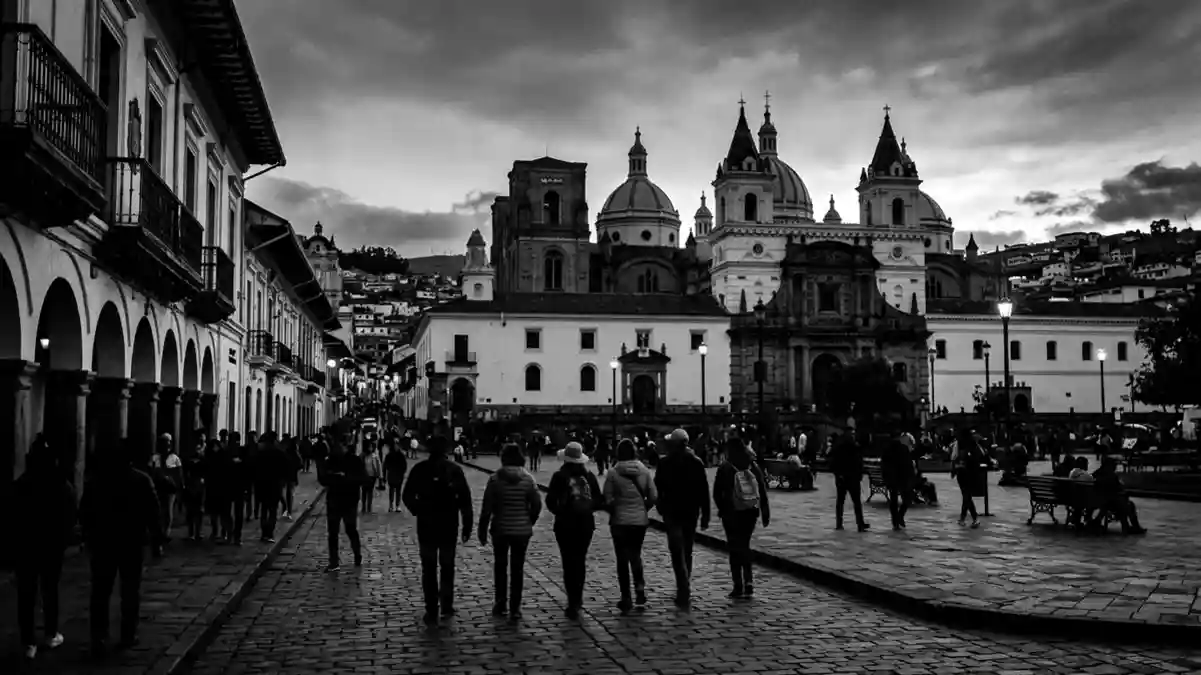
Historic Centre of Cuenca hosts artisan parade on 5 November
Published on 11/07/2026 at 14:40 | Editorial responsibility: Rafael Müller, Editor-in-Chief AD HOC NEWSParade route and heritage setting
- The Federation of Professional Artisans of Azuay organised the parade on 5 November 2026.
- San Blas and Parque Calderón marked the route through Cuenca's historic centre.
- UNESCO records Cuenca's colonial town plan as founded in 1557.
- The heritage area received national protection in 1982.
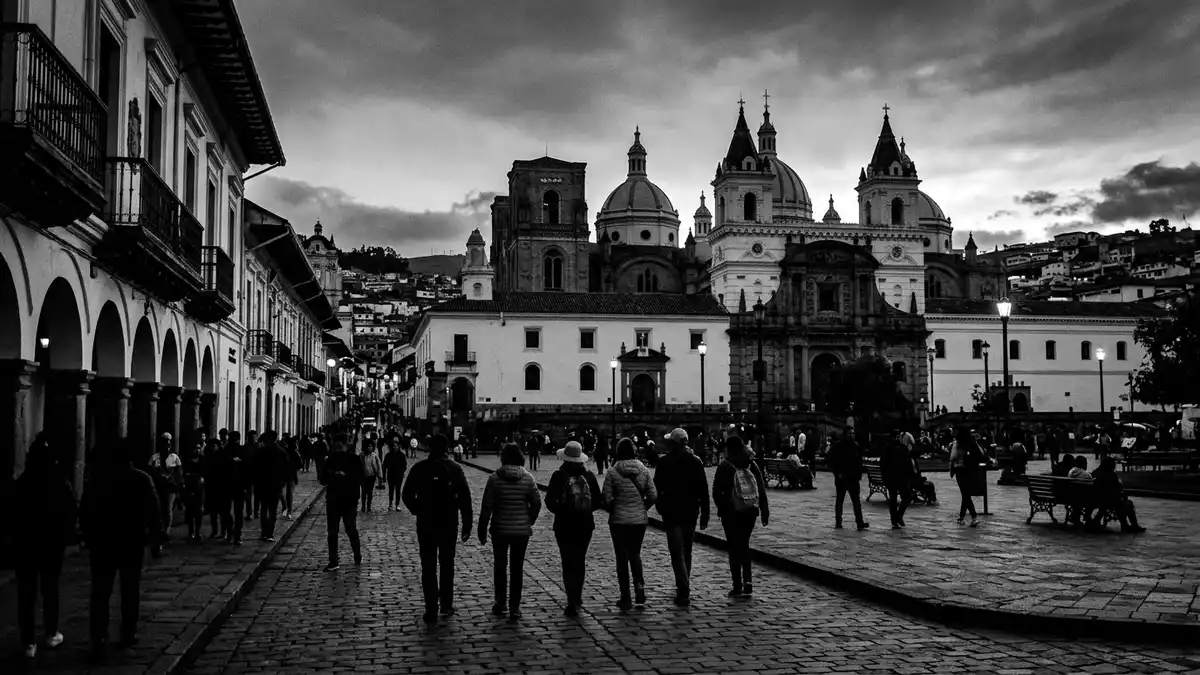
Historic Centre of Cuenca (Centro Histórico de Santa Ana de los Ríos de Cuenca) hosted the Manos Que Crean, Historias Que Perduran artisan parade on 5 November 2026. The procession crossed Cuenca, Ecuador, from San Blas to Parque Calderón, placing local craft traditions within the protected urban area.
The event was part of the programme for the Day of the Artisan and was organised by the Federation of Professional Artisans of Azuay. Its route followed Bolívar Street, linking two public spaces that frame the central historic town. The city authority had listed the parade among the activities requiring temporary traffic measures during the November celebrations.
Artisan parade crossed Cuenca on 5 November
The municipal mobility authority published the route and date in its traffic plan for Cuenca's 206th Independence celebrations. It specified a start at San Blas and a finish at Parque Calderón on Thursday 5 November, with the scheduled procession running from 8.30am to 12.30pm. The same plan said streets would reopen after the final participants had passed.
An El Mercurio report described the parade as a gathering of artisan guilds, authorities and members of the public. It named tailoring, mechanical, baking and clothing guilds among the participating groups, connecting the procession with established trades in Azuay.
Parque Calderón anchors the heritage setting
The route ended at Parque Calderón, the main square identified by UNESCO as the Plaza Mayor of the historic town. The square sits within a system of parks, churches, public spaces and paved streets that forms the urban fabric of the heritage area.
UNESCO describes the site as a planned inland Spanish colonial town founded in 1557. Its orthogonal layout has been preserved for more than four centuries, while much of the architecture dates from the eighteenth century and later reflects nineteenth-century modernisation. The parade therefore crossed a living town plan rather than an isolated monument: San Blas, Bolívar Street and Parque Calderón remain part of the connected public landscape. UNESCO lists the historic centre as a World Heritage property, and the state declared it cultural heritage in 1982. Further details appear in the UNESCO heritage record.
Traffic measures followed the parade route
The municipal notice placed the procession within a wider set of temporary measures for festivals, races and civic activities. For parades, it said closures would be progressive rather than permanent, with vehicles allowed back once the last group had passed. The notice also advised residents and visitors to consult official routes and consider buses, the tram or other alternatives.
The current event has finished, but its route shows how public celebrations use the historic centre's streets and squares as connected civic spaces. Travellers arriving after 5 November will find the listed parade route as an ordinary urban route rather than a continuing event.
Visiting Historic Centre of Cuenca: what travellers from Western Europe should know
- The Manos Que Crean, Historias Que Perduran parade took place on 5 November 2026 from San Blas to Parque Calderón.
- The parade was a past event, and the municipal plan said traffic restrictions ended after the final participants had passed.
- Cuenca's heritage area contains paved streets, parks, churches and public squares within its preserved orthogonal plan.
- Cuenca is in Ecuador, where Spanish is the official language and the national currency is the US dollar.
- Entry requirements depend on your nationality; UK travellers can check the FCDO travel advice at gov.uk/foreign-travel-advice, Irish travellers the Department of Foreign Affairs at ireland.ie.
Searching for Historic Centre of Cuenca on social platforms
These links open searches for Historic Centre of Cuenca on each platform.
Frequently asked questions about Historic Centre of Cuenca
When did the artisan parade take place at Historic Centre of Cuenca?
The Manos Que Crean, Historias Que Perduran parade took place on 5 November 2026, travelling from San Blas to Parque Calderón.
Where is Historic Centre of Cuenca and how do you get there?
The heritage area is in Cuenca, Ecuador, and the municipal notice identified buses and the tram as alternatives during event-related traffic measures.
What is Historic Centre of Cuenca?
It is a World Heritage urban area whose planned colonial town was founded in 1557 and retains an orthogonal layout, public squares and historic buildings.