
Heiwa Koen in Nagasaki centres remembrance on water and stone
Published on 09/23/2026 at 20:27 | Editorial responsibility: Rafael Müller, Editor-in-Chief AD HOC NEWS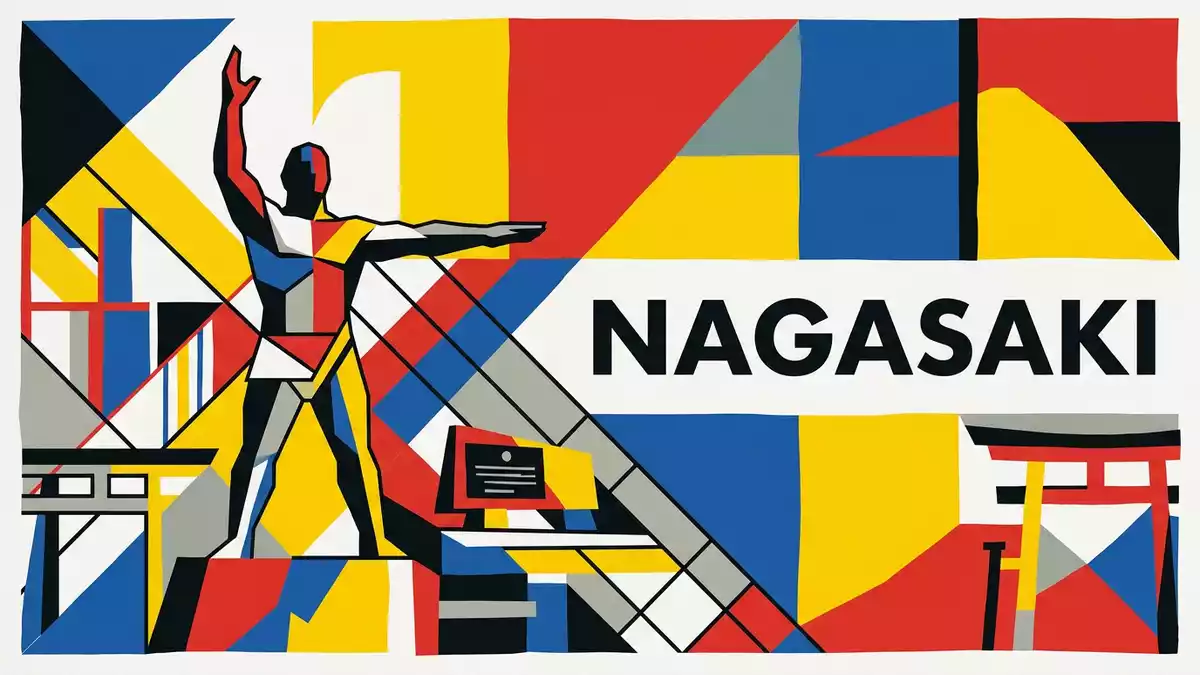
Heiwa Koen is a memorial landscape in northern Nagasaki, where water, stone and bronze mark the atomic bombing of 9 August 1945. Its terraces connect the bomb’s hypocentre with the Peace Statue, fountains, international monuments and nearby museum buildings.
Heiwa Koen and the layers of Nagasaki’s memory
The park lies in Urakami, a district closely associated with the bombing that destroyed a large part of Nagasaki. The date, 9 August 1945, remains central to the place’s identity, while the surrounding landscape gives that history a physical setting.
Heiwa Koen is formed from linked memorial areas rather than a single garden. The complex includes Hypocenter Park, the Memorial Park and the Nagasaki Atomic Bomb Museum. A black monolith marks the explosion’s epicentre, creating a direct visual reference within the open grounds. the black hypocentre monolith belongs to the park’s central geography.
The Peace Statue above the hypocentre
On the upper terrace, the Peace Statue provides the park’s most recognisable vertical form. Seibo Kitamura, a sculptor born in Nagasaki, created the bronze figure, which was unveiled in 1955. Its raised right arm points towards the sky, while its extended left arm reaches across the terrace.
The statue stands among paved paths, planted areas and memorials presented by countries, cities and groups. These works give the upper park a distinctly international character. Monuments commemorate Korean and Chinese victims of the bombing, while others express messages of sympathy and peace from outside Japan. Seibo Kitamura’s Peace Statue remains the clearest focal point.
Water, ruins and the visible bomb site
Water is a recurring element in the memorial landscape. The Fountain of Peace occupies the southern part of the park and commemorates people who searched for water after the bombing. Its presence adds a second material to the stone terraces and bronze sculpture.
Hypocenter Park contains further physical traces of the blast. A damaged pillar from Urakami Cathedral stands near the central monument, while a preserved layer of ground displays roof tiles, bricks and fragments of glass. Across the wider complex, the museum and the National Peace Memorial Hall for the Atomic Bomb Victims extend the historical setting below and beside the outdoor park. The park’s 1955 establishment near the hypocentre places its memorial form in the post-war history of Nagasaki.
Visiting Heiwa Koen: what travellers from Western Europe should know
- Heiwa Koen lies in Matsuyama-cho, in the Urakami district north of Nagasaki’s historic centre. Tram lines 1 and 3 connect the area with JR Nagasaki Station, and the Peace Park stop is nearby.
- The complex is arranged across terraces and connected memorial areas. Steps, paved paths and changes in level link the upper statue terrace with Hypocenter Park.
- The Nagasaki Atomic Bomb Museum, the National Peace Memorial Hall and Urakami Cathedral stand within the surrounding memorial district.
- The official language is Japanese and the currency is the Japanese yen.
Searching for Heiwa Koen on social platforms
These links open searches for Heiwa Koen on each platform.
Frequently asked questions about Heiwa Koen
Where is Heiwa Koen?
Heiwa Koen is in Matsuyama-cho, within Nagasaki’s Urakami district. It lies north of the historic city centre, near the atomic bomb hypocentre.
What can visitors see there?
The grounds contain the Peace Statue, the Fountain of Peace, the hypocentre monolith, international memorials and remnants connected with the bombing. The Atomic Bomb Museum and memorial hall are nearby.
What makes Heiwa Koen distinctive?
The park combines a precisely marked bomb site with terraces of sculpture, water, ruins and international memorials. The result is a physical landscape centred on 9 August 1945 and the memory of Nagasaki’s victims.


