
Heiwa Koen in Nagasaki, a memorial landscape of peace
Published on 09/18/2026 at 12:27 | Editorial responsibility: Rafael Müller, Editor-in-Chief AD HOC NEWS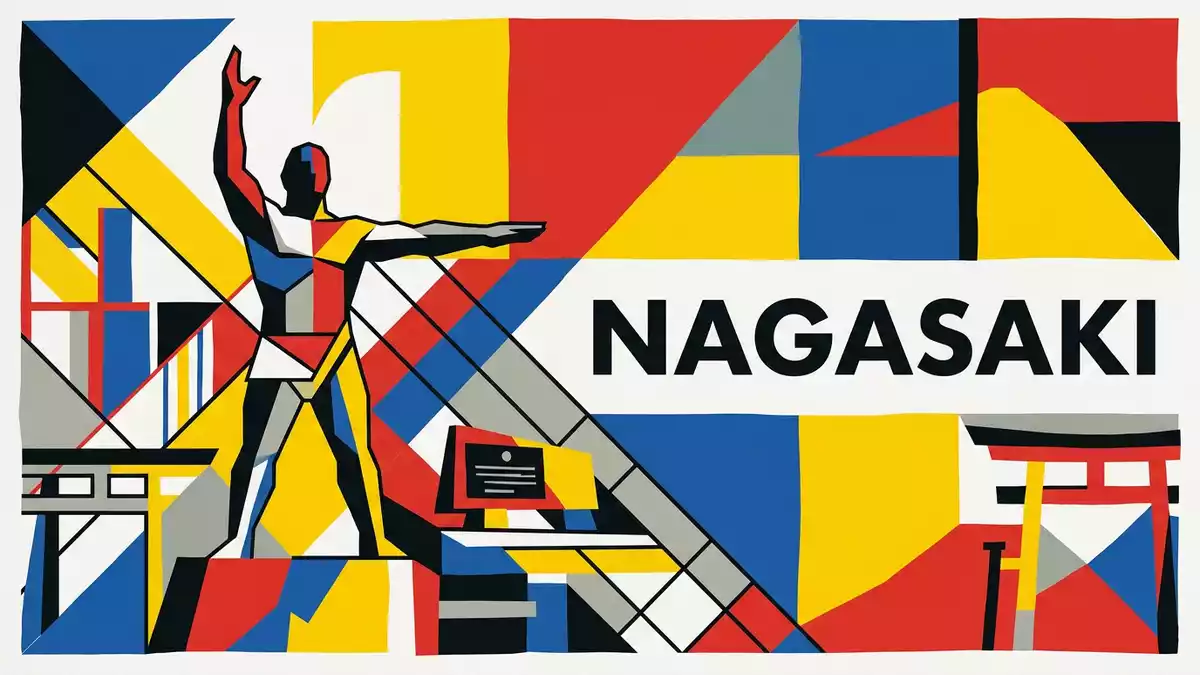
Heiwa Koen in Nagasaki, known in English as Nagasaki Peace Park, is a memorial landscape on a low hill in the Urakami district that commemorates the atomic bombing of 9 August 1945 and gives physical form to the city’s wish for peace.Nagasaki Peace Park spreads across terraces, statues and water features in Matsuyama-cho, just north of the hypocentre where the bomb exploded over Nagasaki during the final months of the Second World War.commemorating the atomic bombing
A hillside park shaped by memory
Heiwa Koen occupies a slope in Matsuyama-cho in Nagasaki City, on the island of Kyushu, rising above the streets that once lay closest to the blast and forming part of the wider Peace Park complex in Urakami.Matsuyama-cho, Nagasaki City The memorial ground lies to the north of the atomic-bomb hypocentre, marking an area that was devastated in 1945 and later reshaped into lawns, paths and plazas that visitors can walk through at their own pace.built on a low hill to the north of the hypocenter
The park belongs to a larger peace landscape that includes the Nagasaki Atomic Bomb Museum and memorial spaces around the hypocentre marker, yet within Heiwa Koen itself the emphasis falls on open ground, sculpture and flowing water rather than on enclosed exhibition halls.part of the wider Nagasaki Peace Park complex Visitors encounter terraces and lawns framed by trees, with monuments set into the landscape so that the park reads as a shaped terrain of remembrance instead of a conventional cemetery.
Peace Statue, Fountain of Peace and other monuments
At the heart of Heiwa Koen stands the Peace Statue, a large bronze figure that has become one of Nagasaki’s defining post-war images; the statue is described by local tourism authorities as 9.7 m (31.8 ft) high, presiding over the main plaza of the park.9.7-meter-high Peace Statue Designed by sculptor Kitamura Seib? and inaugurated in 1955, the Peace Statue has become a focal point for remembrance ceremonies and for visitors who trace the city’s experience of the bombing.designed in 1955 by Kitamura Seib?
Nearby stands the Fountain of Peace, a broad water feature created in remembrance of a young girl who searched for water after the bombing and has come to symbolise the suffering of civilians and the importance of relief.Fountain of Peace Around these central structures, Heiwa Koen includes monuments from different countries and organisations, placed on terraces and lawns so that the hillside carries a constellation of statues and stones dedicated to peace.
The bombing of 9 August 1945 and the park’s post-war role
On 9 August 1945, an atomic bomb detonated over Nagasaki, exploding above Matsuyama-cho and killing tens of thousands of people in the surrounding districts during the final phase of the Second World War.exploded approximately 29 meters above Matsuyama-cho 171 The area that would later become Heiwa Koen lay just north of the point of detonation, and the park’s relationship to the hypocentre is now marked by plaques and nearby memorial markers that indicate where the bomb exploded.close to the hypercentre of the explosion
Nagasaki Peace Park was inaugurated in the 1950s as part of the city’s reconstruction, and Heiwa Koen has since taken on a role as a civic space where residents, school groups and international visitors gather for commemorations and peace-related events.inaugurated in 1955 The park’s open lawns, planted slopes and water features form a setting where the memory of 1945 is carried by the landscape itself, with the Peace Statue and Fountain of Peace acting as focal points that connect everyday visits with the historical events that took place nearby.
Visiting Heiwa Koen: what travellers from Western Europe should know
- Heiwa Koen lies in Matsuyama-cho in the Urakami district of Nagasaki City on Kyushu, north of the historic city centre, on a low hill near the atomic-bomb hypocentre.
- The park is reached by Nagasaki’s public transport network, with Nagasaki Electric Tramway lines 1 and 3 stopping at Peace Park (Heiwa Koen) and local buses serving nearby stops that also carry the Heiwa Koen name.
- The memorial landscape is largely level once inside, but approaches from the surrounding streets include sloping paths and sets of steps as the park climbs the hillside.
- Heiwa Koen sits within a wider peace complex that includes the Nagasaki Atomic Bomb Museum and the hypocentre memorial, which lie within walking distance on the surrounding streets.
- The official language is Japanese and the currency is the yen; entry requirements depend on your nationality, UK travellers can check the FCDO travel advice at gov.uk/foreign-travel-advice, Irish travellers the Department of Foreign Affairs at ireland.ie.
Searching for Heiwa Koen on social platforms
These links open searches for Heiwa Koen on each platform.Frequently asked questions about Heiwa Koen
Where is Heiwa Koen located within Nagasaki?
Heiwa Koen forms part of Nagasaki Peace Park on a low hill in Matsuyama-cho in the Urakami district, north of Nagasaki’s historic city centre on Kyushu.
What should visitors expect during a visit to Heiwa Koen?
Visitors can expect a landscaped memorial with terraces, lawns, statues and water features, centred on the Peace Statue and the Fountain of Peace within a wider peace complex.
What makes Heiwa Koen distinctive among memorial sites?
Heiwa Koen is distinctive for its combination of a large bronze Peace Statue, an emblematic Fountain of Peace and international monuments arranged across a hillside landscape close to the atomic-bomb hypocentre.


