Heiwa Koen and the layered landscape of Nagasaki
Published on 09/09/2026 at 13:40 | Editorial responsibility: Rafael Müller, Editor-in-Chief AD HOC NEWS
Heiwa Koen in Nagasaki is a memorial park laid out on a low hill north of the atomic-bomb hypocentre. Its broad lawns, terraces and monuments give the place a spare, formal character that is immediately legible on arrival.
Heiwa Koen’s hilltop setting in Nagasaki
The park sits in Matsuyama-cho, in the Urakami district of Nagasaki, and is part of the wider Nagasaki Peace Park landscape. It is closely tied to the city’s postwar memory of 9 August 1945, a date that belongs to the park’s identity as firmly as its name.
The setting is open rather than enclosed, with paths running between planted areas and memorial structures. A source link marks the place as a park in Nagasaki, while the Japanese name Heiwa-k?en appears in standard usage. The broader civic context is the city of Nagasaki, Japan, and the park’s association with the atomic bombing remains central to its public meaning.
Monuments, lawns and the Peace Statue
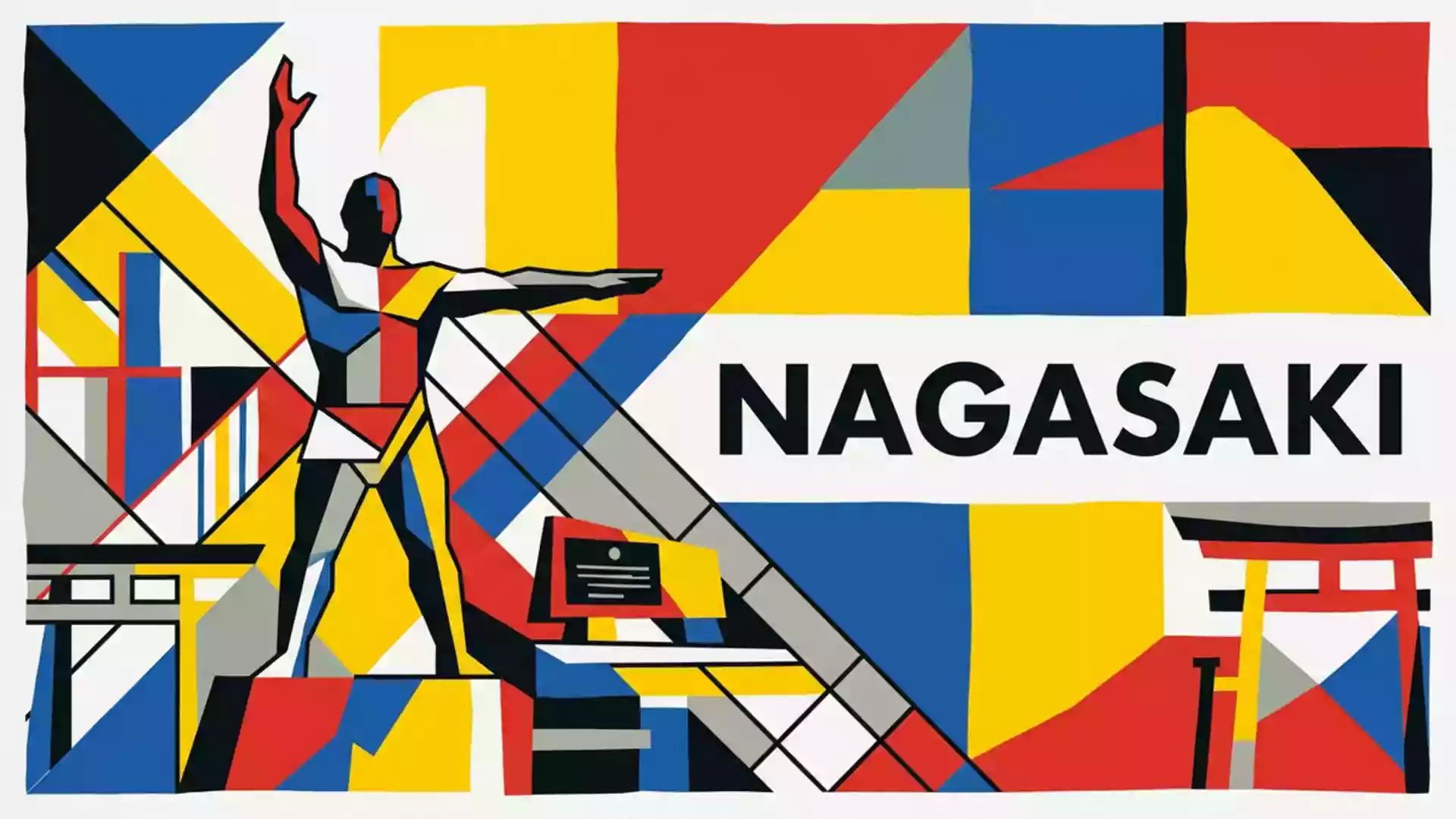
The strongest visual element is the Peace Statue, the bronze figure that rises above the surrounding planting. Its scale and upright pose make it the clearest landmark in the park, and it anchors the memorial spaces around it.
Heiwa Koen also contains water features, open lawns and steps that separate one level from another. The park’s geometry is simple and deliberate: long views, level surfaces and memorial points that stand apart from one another without crowding the hill.
The statue is linked with sculptor Seib? Kitamura, and the park belongs to the postwar civic landscape created after the bombing. A second dated anchor is the park’s establishment in 1955, which places it in the decade after the war rather than in the city’s older street pattern.
A memorial park shaped by the city’s history
Heiwa Koen belongs to a family of Nagasaki memorial places linked to the bombing, but it reads first as a park rather than a monument field. The lawns soften the hill, while the statues and fountains provide fixed points for remembrance.
That balance between garden space and memorial structure gives the place its character. It is not a large landscape of ornament; it is a public setting where the arrangement of paths, water and sculpture carries the subject matter.
The park is also associated with the atomic-bomb hypocentre and the city’s wider peace landscape, which includes the museum and nearby memorial spaces. The result is a place where the core facts are visible in the arrangement itself: hill, monument, water, planting and the name Heiwa Koen.
Visiting Heiwa Koen: what travellers from Western Europe should know
- The park is in Matsuyama-cho in Nagasaki’s Urakami district. Tram and bus stops named Peace Park or Heiwa Koen serve the area.
- The terrain is sloped, with steps between levels and open paved paths across the hill. Comfortable footwear is useful for the changes in level.
- The park belongs to a wider memorial district that includes the Peace Statue and other peace-related spaces. The main elements are spread across open ground rather than gathered in one enclosed building.
- The official language is Japanese and the currency is the Japanese yen.
- Entry requirements depend on your nationality; UK travellers can check the FCDO travel advice at gov.uk/foreign-travel-advice, Irish travellers the Department of Foreign Affairs at ireland.ie.
Searching for Heiwa Koen on social platforms
These links open searches for Heiwa Koen on each platform.
Frequently asked questions about Heiwa Koen
Where is Heiwa Koen?
Heiwa Koen is in Nagasaki’s Matsuyama-cho area, north of the city centre in the Urakami district. The park forms part of the broader Nagasaki Peace Park landscape.
What does a visit involve?
The park consists of open paths, planted areas, steps and memorial structures on a hill. The Peace Statue and water features are among the main visible elements.
What makes Heiwa Koen distinctive?
Its identity lies in the way a public park setting and atomic-bomb remembrance are combined in one place. The name, the hilltop layout and the memorial sculpture give it a clear character.