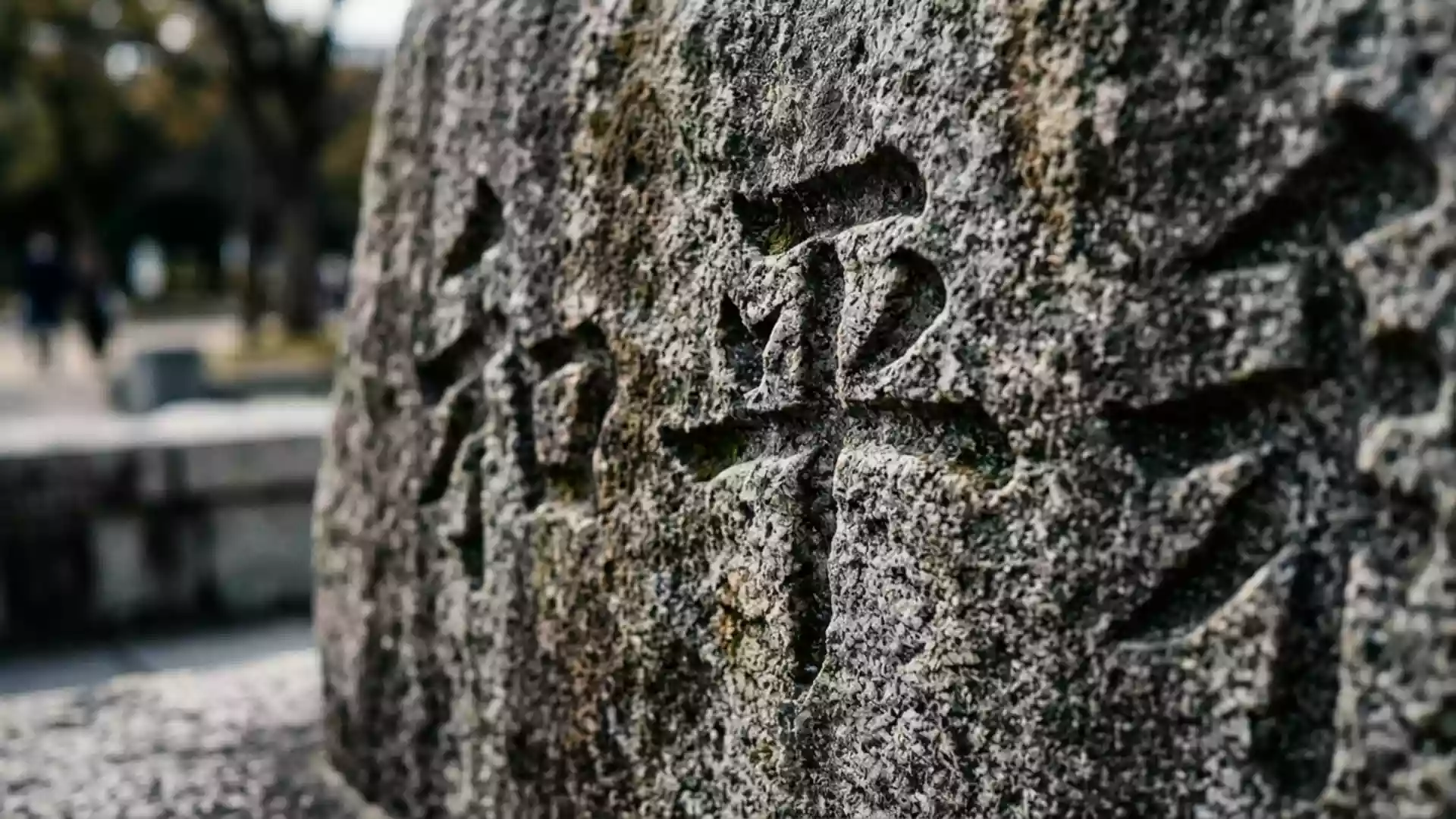
Heiwa Kinen Koen as Hiroshima’s island of remembrance
Published on 08/30/2026 at 12:25 | Editorial responsibility: Rafael Müller, Editor-in-Chief AD HOC NEWS
Heiwa Kinen Koen, internationally known as Hiroshima Peace Memorial Park, occupies a low river island in central Hiroshima that was reshaped in the 1950s into a dedicated landscape of remembrance. It lies close to the hypocentre of the atomic bombing of 6 August 1945 and gathers memorials, museum buildings and open lawns in a single planned composition.
An island park at the heart of Hiroshima
Heiwa Kinen Koen stands in Naka ward in downtown Hiroshima, on land bounded by branches of the ?ta River where the Motoyasu River and Honkawa divide around the island. This area, historically known as the Nakajima district, was a busy commercial and entertainment quarter before the bomb and was later cleared for the creation of the memorial park.Nakajima district The site lies immediately to the west of Hiroshima’s main government and business streets, with several road bridges connecting the island to the wider city grid.
The park covers a broad area of lawns, trees and paved walks laid out between the rivers, with the ruined shell of the former Hiroshima Prefectural Industrial Promotion Hall, now known worldwide as the Atomic Bomb Dome, standing at its northern edge.Atomic Bomb Dome Within this continuous parkland, memorial structures and museum buildings line a central axis that runs from the riverside towards the city, giving the island a clear spatial order.
A planned composition of memorials and museum
Following the enactment of the Hiroshima Peace Memorial City Construction Law on 6 August 1949, the Nakajima district was designated for peace memorial facilities, and work on the park began in 1950.Hiroshima Peace Memorial City Construction Law The overall urban park was completed on 1 April 1954 and takes the form of a broad rectangle aligned with Hiroshima’s post-war Peace Boulevard. The design team led by architect Kenzo Tange arranged the main features along a strong axis that connects the Atomic Bomb Dome, the Cenotaph for the A-bomb Victims and the main building of the Hiroshima Peace Memorial Museum.
At the southern end of that axis stands the Peace Memorial Museum, whose original main building has been designated an Important Cultural Property of Japan.Peace Memorial Museum main building Between the museum and the Atomic Bomb Dome the park includes the arched Cenotaph, officially titled the Hiroshima Peace City Memorial Monument, which shelters a stone chest listing the names of victims, and the long water feature often referred to as the Pond of Peace leading towards it.Pond of Peace Around these central elements stand further monuments, including the Children’s Peace Monument and the Peace Bell, set among trees and smaller lawns.
A landscape of memory and everyday city life
Heiwa Kinen Koen functions both as a memorial ensemble and as a large green space within the dense street pattern of central Hiroshima.large green space in the centre The open lawns, straight paths and river embankments make the island readable as a single coherent park, while individual memorials invite closer attention along the main axis and at quieter corners. Mature trees frame views towards the Atomic Bomb Dome and across the water to city buildings, reinforcing the sense that the memorial landscape is embedded within the everyday life of Hiroshima.
Within the park, several structures are themselves preserved relics of the bombing, including the Hiroshima Peace Memorial Park Rest House, originally built as the Fuel Hall, and parts of the Motoyasu Bridge with surviving damaged columns.damaged Motoyasu Bridge columns Newer facilities such as the National Peace Memorial Hall for the Atomic Bomb Victims, opened in 2002, and an exhibition facility for exposed remains of the pre-bomb district, opened in 2022, extend the range of spaces where historical material is presented within the same island setting.National Peace Memorial Hall
Visiting Heiwa Kinen Koen: what travellers from Western Europe should know
- Heiwa Kinen Koen stands in Naka ward in central Hiroshima on an island between the Motoyasu and Honkawa rivers, reached by several road bridges and by tram lines running nearby.
- The parkland is level and laid out with paved paths and broad lawns, but some memorial structures and museum buildings are approached by sets of steps or internal staircases.
- The official language is Japanese and the currency is the Japanese yen.
- Entry requirements depend on your nationality; UK travellers can check the FCDO travel advice at gov.uk/foreign-travel-advice, Irish travellers the Department of Foreign Affairs at ireland.ie.
Searching for Heiwa Kinen Koen on social platforms
These links open searches for Heiwa Kinen Koen on each platform.
Frequently asked questions about Heiwa Kinen Koen
Where is Heiwa Kinen Koen located within Hiroshima?
Heiwa Kinen Koen stands in Naka ward on a river island between the Motoyasu and Honkawa rivers, immediately west of Hiroshima’s central government and business district.
What can visitors expect during a visit to Heiwa Kinen Koen?
Visitors encounter a wide urban park of lawns, trees and riverside walks containing the Atomic Bomb Dome, memorial monuments and the Hiroshima Peace Memorial Museum arranged along a central axis.
What makes Heiwa Kinen Koen distinctive compared with other city parks?
Its combination of preserved bomb-damaged structures, a planned memorial composition by Kenzo Tange and national designations such as Important Cultural Property and Place of Scenic Beauty gives it a particular character.