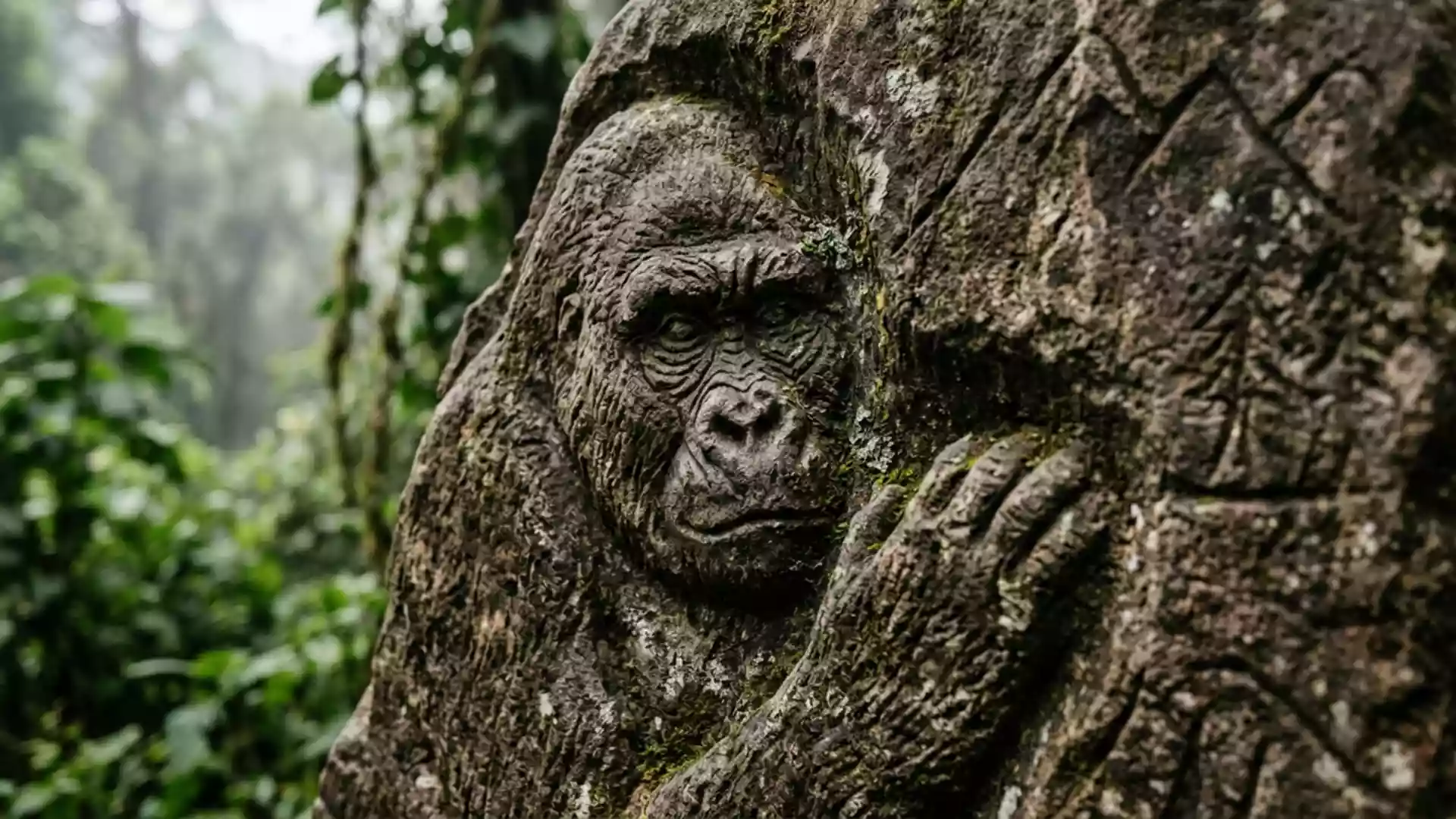
Health study names Bwindi Impenetrable National Park on 26 November
Published on 11/28/2026 at 08:28 | Editorial responsibility: Rafael Müller, Editor-in-Chief AD HOC NEWSResearch and conservation links
- The Institute of Vertebrate Biology announced the study on 26 November 2026.
- Bwindi Community Hospital helped connect local health concerns with wildlife conservation.
- UNESCO inscribed the 32,092-hectare park as a World Heritage site in 1994.
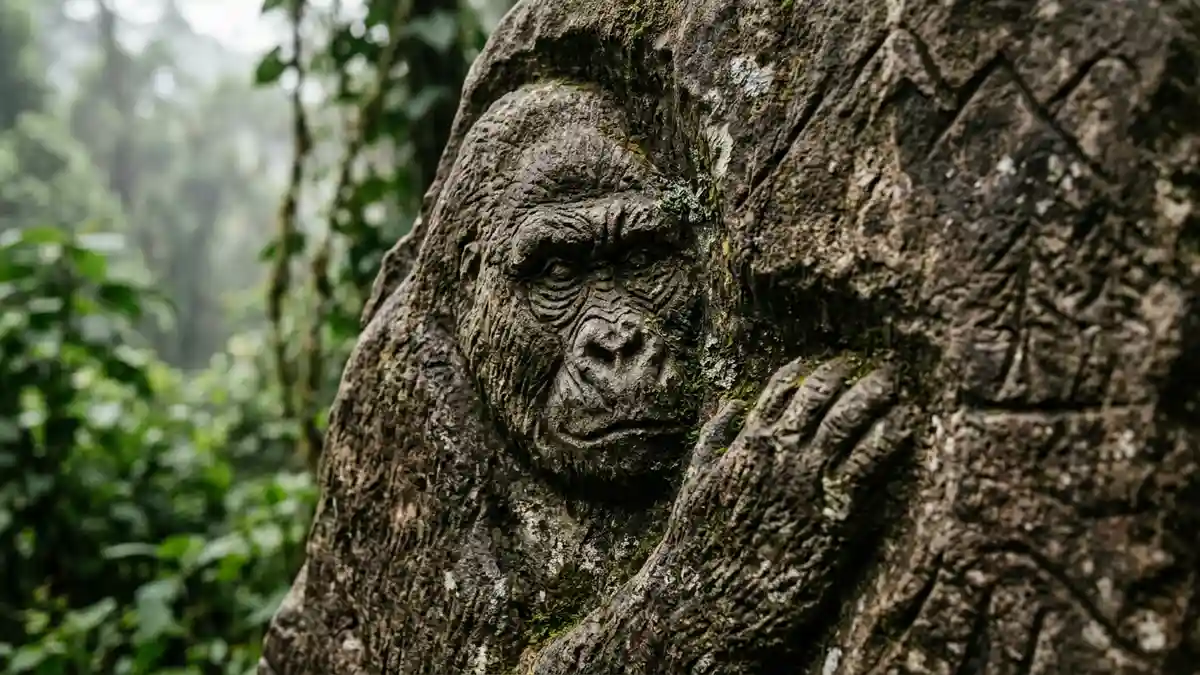
A new health study linked to Bwindi Impenetrable National Park in Uganda was published on 26 November 2026, placing local communities, livestock and mountain gorillas within one connected health system. The findings concern the park near Kabale and were developed with Bwindi Community Hospital.
Health study links Bwindi to shared risks
The study was led by the Institute of Vertebrate Biology of the Czech Academy of Sciences and published in Anthropology Today. Its focus is the human-livestock-wildlife interface around the protected forest, where parasites can move through shared water, soil, grazing areas and food systems.
Researchers combined molecular parasitology, veterinary science, primatology, public health and social anthropology. The work involved Ugandan public health specialist Nahabwe Haven of Bwindi Community Hospital, whose long-term links with communities shaped the fieldwork. The institute’s study announcement from 26 November says the research examined how health, ecology and everyday life meet at the park boundary.
Participants described practical routes for infection, including flies moving between animal dung and food, children handling soil and water sources shared by people, livestock and wildlife. The researchers reported that communities often understood these risks, but lacked reliable access to protective equipment, soap, water, veterinary care and nearby health services.
Why the findings matter for Bwindi National Park
The research gives the park boundary a more precise role in conservation reporting. Instead of treating nearby residents only as a pressure on wildlife, it presents their health and resources as part of the conditions that shape protection of the forest and its gorillas.
That connection matters in a landscape where the boundary is crossed by daily activity. The institute describes gorillas entering banana plantations and domestic animals using areas also visited by wildlife. The study does not assign the risk to one species, but relates it to land use, animal movement, public services and the distribution of conservation benefits.
UNESCO describes the park as a protected forest in south-western Uganda at the junction of plain and mountain forests. The World Heritage Centre records UNESCO park details, including its 32,092-hectare area, habitats rising from 1,160 to 2,706 metres and inscription as a World Heritage site in 1994. Its biodiversity includes mountain gorillas, more than 200 tree species and about 104 fern species.
The new findings therefore relate directly to the reasons for the site’s protected status. A forest that supports endangered wildlife also borders communities whose access to water, healthcare and animal services can affect conservation outcomes.
Visiting Bwindi Impenetrable National Park: what travellers from Western Europe should know
- The health study was published on 26 November 2026 and concerns the park boundary near Kabale in Uganda.
- The study does not announce a closure or altered visitor route. It concerns links between public health, livestock, wildlife and conservation.
- The park lies in south-western Uganda and has four recorded altitude zones spanning 1,160 to 2,706 metres, according to UNESCO.
- Entry requirements depend on your nationality; UK travellers can check the FCDO travel advice at gov.uk/foreign-travel-advice, Irish travellers the Department of Foreign Affairs at ireland.ie.
Searching for Bwindi Impenetrable National Park on social platforms
These links open searches for Bwindi Impenetrable National Park on each platform.
Frequently asked questions about Bwindi Impenetrable National Park
What did the health study find at Bwindi Impenetrable National Park?
The study published on 26 November 2026 linked human, livestock, wildlife and environmental health around the park through shared parasite risks.
Where is Bwindi Impenetrable National Park and how do you get there?
The park is in south-western Uganda, in a World Heritage landscape associated with the districts of Kabale, Kisoro and Rukungiri.
What is Bwindi Impenetrable National Park?
It is a protected forest recognised by UNESCO for biodiversity and mountain gorilla habitat, covering 32,092 hectares and inscribed in 1994.